
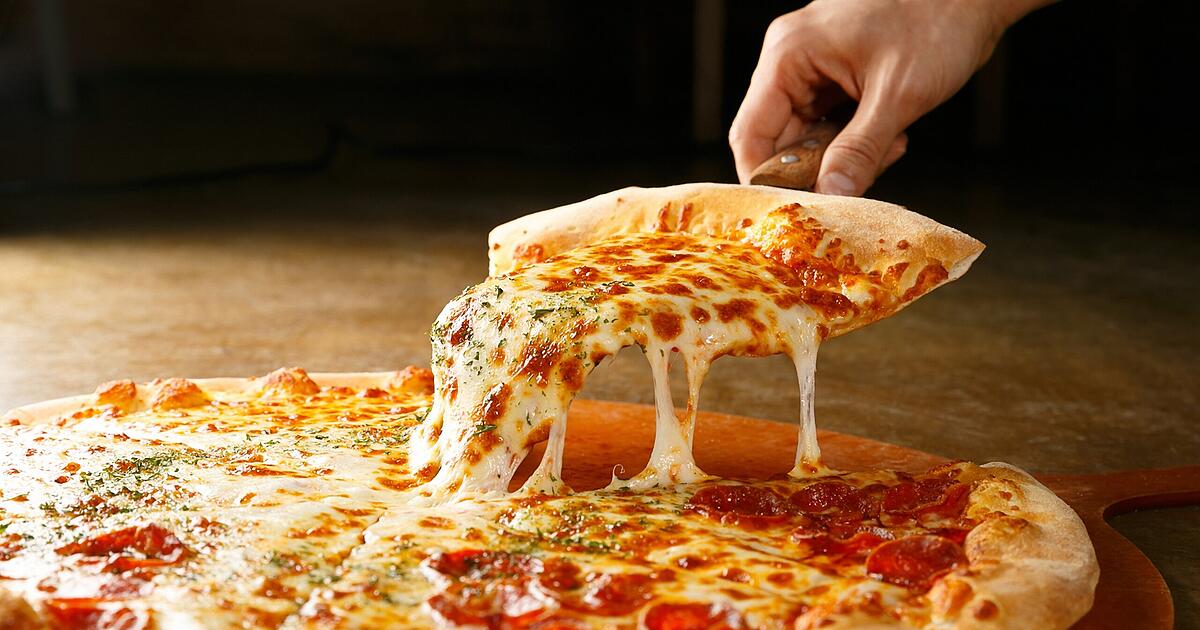
Many people locate themselves scrolling through social media after a meal, only to feel a sudden, intense craving for a snack—such as a pizza in an advertisement—despite having just eaten. According to new research, this phenomenon is not a matter of willpower, but a specific neurological response.
Researchers from the University of East Anglia and the University of Plymouth have discovered that the human brain continues to react to images of food even when the body is physically satiated. This finding suggests that the urge to snack after dinner is often driven by neural reactions that remain unaffected by the body’s energy levels.
The Science of Post-Meal Cravings
To investigate this behavior, scientists conducted an experiment using EEG measurements. Participants wore specialized headgear equipped with sensors capable of capturing brain waves with millisecond precision. Although the participants reacted to images of various foods, researchers monitored the brain’s reward signals.

The results revealed a significant disconnect between conscious awareness and neural activity. Even though participants explicitly signaled that they were full, the reward signal in the brain remained stable when they were shown images of the food they had just consumed. This indicates that the brain’s response to certain food cues persists regardless of whether the stomach is full.
Two Systems of Decision-Making
The study highlights that the human brain utilizes at least two distinct systems to make decisions:
- The Conscious System: This system is deliberate, goal-oriented, and analytical. It considers current physical needs and adjusts behavior based on those requirements.
- The Reward System: This system responds to habitual stimuli and cues, operating independently of the body’s actual need for additional energy.
This internal conflict was evident in the participants’ behavior. While their reward-based neural reactions remained active, their conscious decisions shifted; after eating, participants preferentially chose different types of food. This demonstrates that while they knew they had eaten enough, the reward-driven response to food imagery remained triggered.
Understanding these biological mechanisms is essential for public wellness, as it clarifies why environmental cues can override physical satiety. This research underscores the power of habitual stimuli in influencing eating habits, even when the body is no longer hungry.
For more information on this study, you can read the original report: Warum man nach dem Essen trotzdem noch snacken will.
