
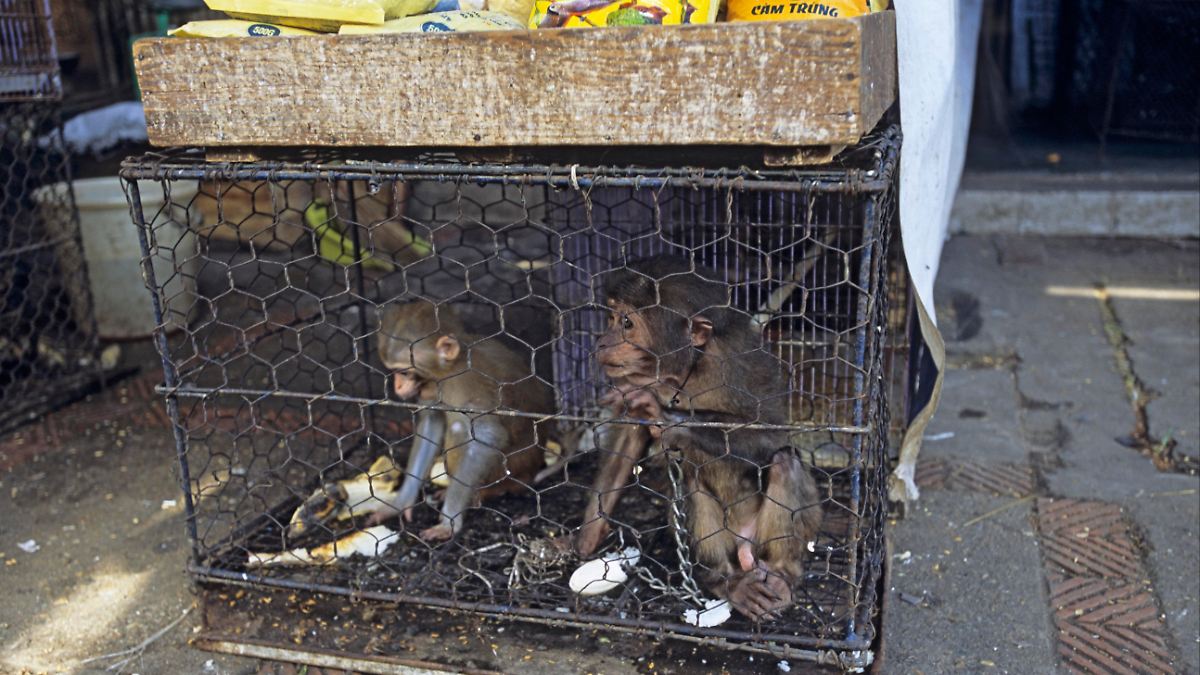
Wildlife Trade Significantly Increases Risk of Human Epidemics, Study Finds
The global trade of wild mammals is acting as a dangerous catalyst for the transmission of diseases to humans, according to a comprehensive study from the University of Lausanne. Published in the journal Science, the research reveals that mammals involved in trade are approximately 1.5 times more likely to share pathogens with humans compared to wild species that are not traded.
This discovery underscores a critical public health vulnerability, as the movement of animals from their natural habitats into human-centric supply chains creates numerous opportunities for zoonotic spillover.
The Scale of the Risk
Researchers, including Professor Cleo Bertelsmeier from the University of Lausanne’s Department of Ecology and Evolution, collaborated with U.S. Experts to analyze four decades of data—spanning from 1980 to 2019. The team examined more than 1,500 mammal species, focusing on both legal and illegal import and export records.

The findings indicate that roughly one-quarter of all mammal species are currently part of global trade networks. These animals are sold for a variety of purposes, including as exotic pets, hunting trophies, components for traditional medicine, research subjects, or for their meat and fur. The study found that traded mammal species have a 50 percent higher probability of sharing at least one virus, bacterium, fungus, or parasite with humans.
The disparity is stark: while over 40 percent of traded mammal species carry at least one pathogen capable of infecting humans, that figure drops to just six to eight percent for non-traded wild animals.
Drivers of Disease Transmission
According to study author Jérôme Gippet, the trade increases risk because it “multiplies the opportunities for the transmission of pathogens between wild animals and humans.” The risk of transmission is particularly high during the hunting and transport phases of the trade process. The risk increases even further when species are subject to illegal trade.
The research as well highlighted a troubling correlation between the duration of a species’ presence in the market and the risk of new diseases. Ecologist Cleo Bertelsmeier noted that statistically, a species in trade shares a new pathogen with humans every ten years. This suggests that the longer a species is commercially exploited, the higher the likelihood of an emerging infectious threat.
A Hidden Danger in the Home
The rise of exotic pets—such as otters, desert foxes, and minor monkeys—promoted on social media platforms like TikTok and Instagram, has brought these risks directly into residential areas. Many buyers are unaware that by importing these animals, they may also be introducing “invisible passengers” in the form of pathogens that could potentially trigger global health crises.
These findings provide a sobering gaze at how commercial interests in wildlife can compromise global biosafety and highlight the ongoing challenge of monitoring zoonotic threats in an interconnected world.
