
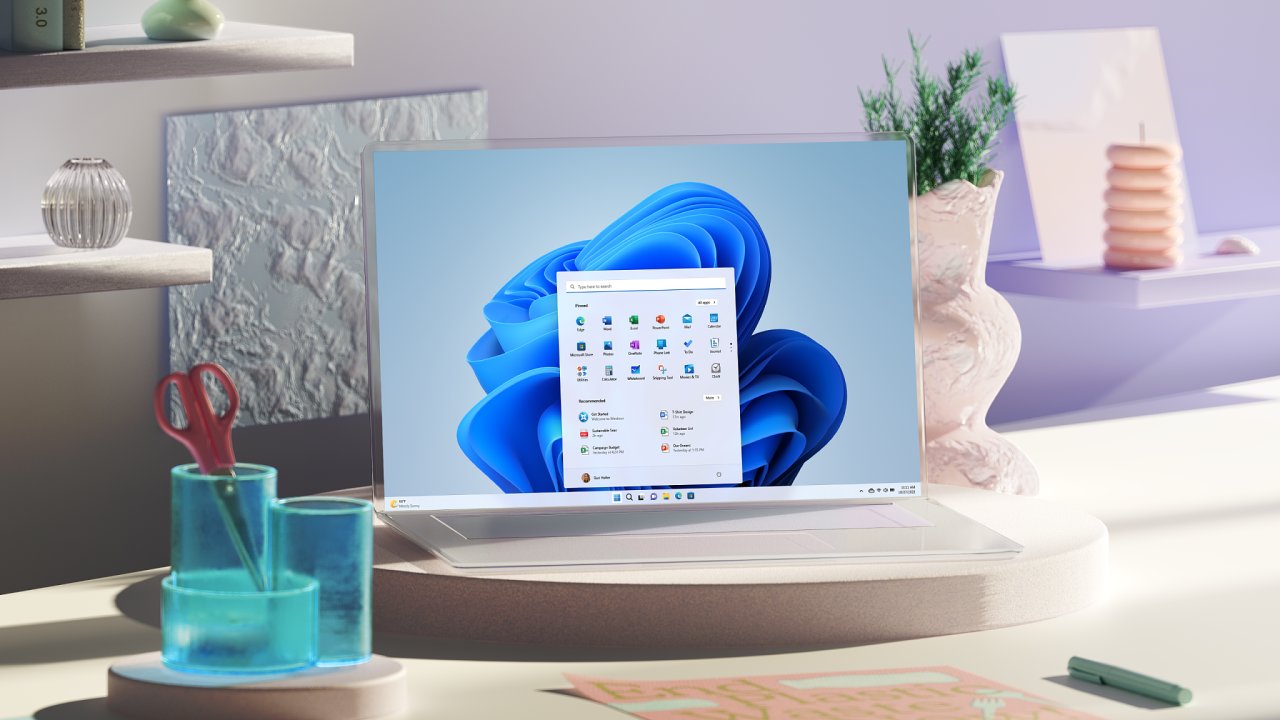
Microsoft Plans Major Windows 11 Overhaul, Addresses User Concerns
Microsoft is responding to criticism and competitive pressure with a sweeping set of changes planned for Windows 11, focusing on performance improvements and a reduced reliance on artificial intelligence features. The company announced on March 20, 2026, a seven-point plan to address user concerns and evolve the platform, aiming to regain trust and compete more effectively with macOS and Linux.
A key element of the update involves reducing the number of advertisements appearing within the operating system. This move comes as a surprise to some, given Apple’s occasional promotional notifications, but signals a shift in Microsoft’s approach to user experience. The update signals a growing awareness among tech companies of the require to balance monetization with user satisfaction.
Beyond advertising, Microsoft intends to improve the overall speed and reliability of Windows 11. Users have also reported issues with forced restarts, which the company aims to minimize with the upcoming changes. Microsoft plans to introduce a movable version of the taskbar, offering users greater customization options.
The changes come as Apple’s macOS Tahoe faces its own challenges, including contrast issues and inconsistencies in design elements. While macOS 27 is expected to address these concerns, Microsoft is seizing the opportunity to highlight improvements in Windows 11. The competition between the two operating systems is intensifying, particularly with the success of the $599 MacBook Neo, which Apple is reportedly struggling to produce quickly enough to meet demand.
Microsoft is also continuing to develop its artificial intelligence capabilities within Windows 11. The company recently unveiled Copilot Cowork, an attempt to sell AI solutions to businesses. But, the broader update focuses on providing a more streamlined and less intrusive experience for all users.
These updates are part of a larger effort by Microsoft to win back user trust and position Windows 11 as a compelling alternative to macOS and Linux. The company’s senior editor, Zac Bowden, described the changes as a significant step towards evolving the platform into something users will actively choose over competing operating systems.
