
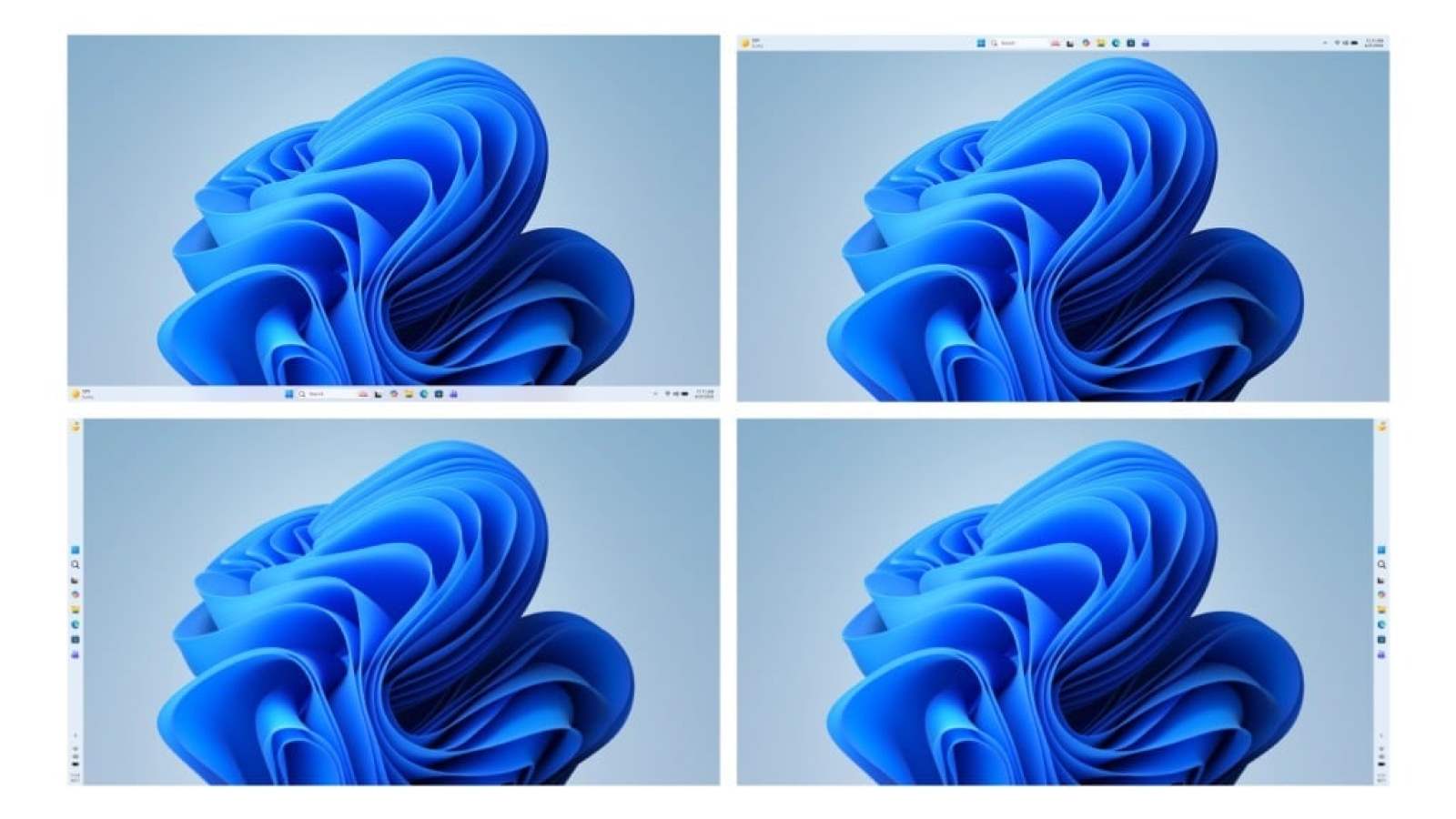
After five years of criticism and a public apology, Microsoft is finally addressing a long-standing user request. Windows 11 will now allow users to move the taskbar to the top or sides of the screen, marking the beginning of a significant overhaul for the operating system. This announcement is just one part of a broader set of changes coming to the platform.
Microsoft is responding to user feedback after a lengthy period of analysis, with changes rolling out starting in March 2026. Pavan Davuluri, head of Windows, officially announced the return of the movable taskbar. This move represents a significant shift in Microsoft’s approach to user customization.
The company had previously removed basic functions present since the 1990s when rebuilding the taskbar for Windows 10X, a tablet project that was ultimately abandoned. Now, Microsoft promises to “raise the bar for quality” in Windows 11.
Restoring Ergonomic Common Sense
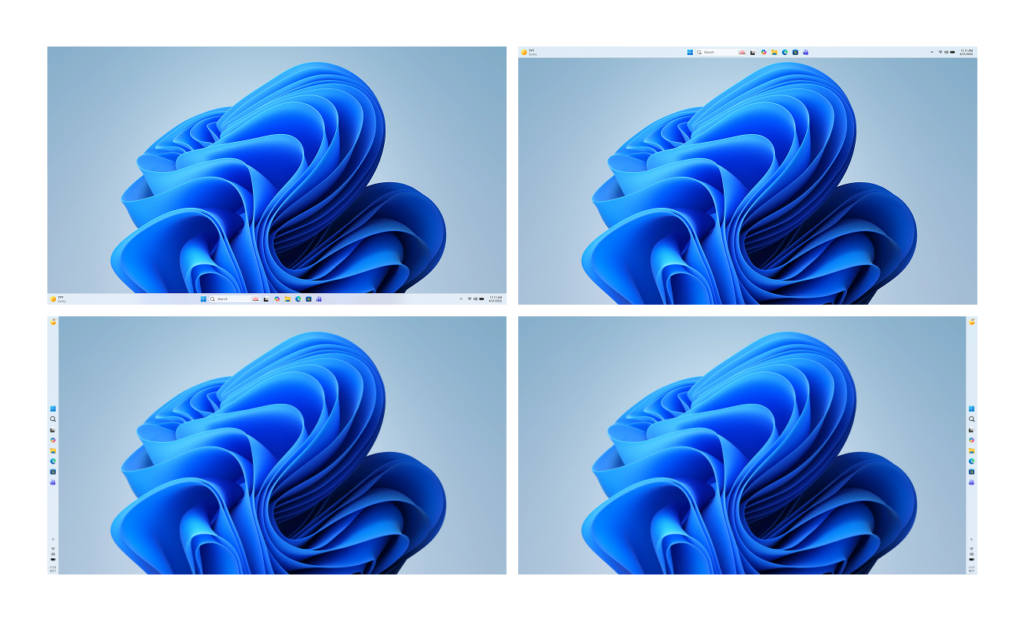
The upcoming update, currently being tested by Insiders, will allow users to right-click on the taskbar to choose its position: top, left, or right. Microsoft too plans to add an option to reduce the size of the taskbar later in the year. However, this is just the beginning of a larger effort to improve the user experience.
A key element of this change is a reevaluation of the forced integration of artificial intelligence. The company acknowledges that saturating the interface with AI features was a misstep.

It’s the PERFECT time to buy a Nintendo Switch 2
Released less than a year ago, the Nintendo Switch 2 is now available for less than $400 with code FRAS60. The perfect opportunity to dive into Pokémon Pokopia or Resident Evil Requiem now!
Microsoft admits that aggressively integrating AI throughout the interface was a mistake. The company will remove AI from unnecessary entry points, such as the screenshot tool, Photos, and Notepad. “We will be more intentional,” Davuluri explained. This shift reflects a broader industry trend of refining AI integration to enhance, rather than overwhelm, the user experience.
Performance and File Explorer
Beyond the customizable taskbar, Microsoft is addressing a critical component of the operating system. The File Explorer, which became cumbersome in Windows 11, will receive significant improvements.
The company is promising faster launches, fewer interface glitches, and smoother navigation. The gradual transition to the WinUI 3 framework is also expected to reduce overall interface latency, addressing long-standing complaints about the system’s responsiveness.
And the Big One: Windows Update!
Finally, Microsoft is tackling a collective pain point: Windows Update. Many users have experienced frustrating interruptions during presentations or important meetings due to unexpected updates.
The promise for 2026? Giving users more control. Users will be able to shut down or restart their machines without installing pending updates, skip lengthy downloads during initial PC setup, and pause the system for a longer period.
According to Microsoft, these changes will eliminate forced restarts at inconvenient times and reduce the constant stream of maintenance notifications.
Microsoft appears to have recognized that Windows was losing ground to macOS in terms of perceived quality. The stated goal is to reduce distractions, minimize unnecessary notifications, and create a less punitive update system.
To learn more
Windows is 40 years old: the real ranking of the worst and best versions
