
News Avoidance Surges as Collective Burnout Reaches Critical Levels
A growing number of people are actively avoiding news consumption, fueled by widespread feelings of exhaustion and overwhelm stemming from ongoing global events.
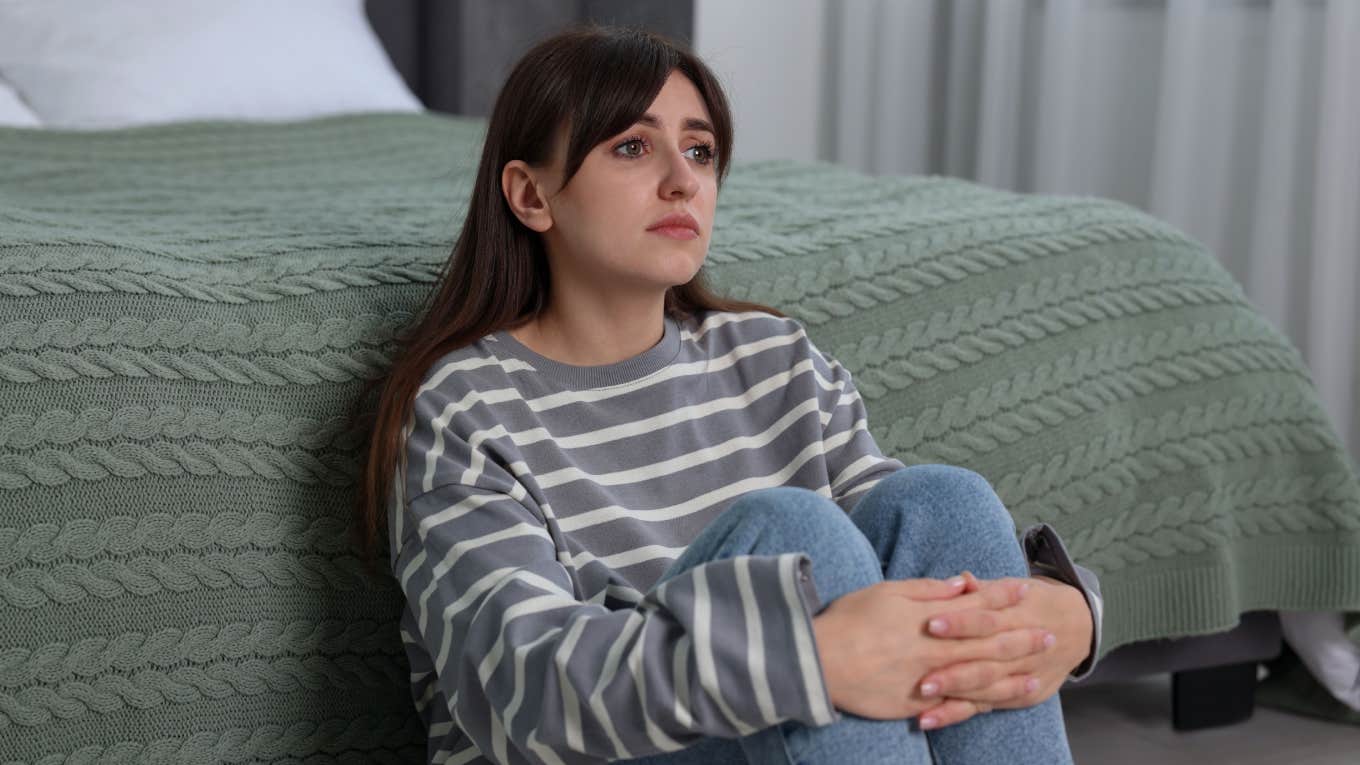
The sentiment was recently highlighted by content creator Bella Rose, who voiced a common experience on TikTok. “I’m just trying to check in really quickly. We’re all exhausted, right? We’re just pretending that we’re not,” Rose stated, adding that the feeling has persisted for “a couple of years.” Despite actively pursuing self-care strategies like journaling, meditation, and mindful lifestyle changes, Rose described herself as a “broken adult,” struggling to balance staying informed with protecting her mental health.
This trend is supported by data from the Reuters Institute for the Study of Journalism, which found that 40% of people across nearly 50 countries now sometimes or often avoid the news – a significant increase from 29% in 2017. The United States and the United Kingdom report even higher rates of news avoidance, at 42% and 46% respectively. This disengagement is largely attributed to the constant stream of negative coverage surrounding unrest, war, and conflict, leaving many feeling powerless and overwhelmed by information. Increased news avoidance can lead to decreased civic engagement and a less informed populace.
Experts suggest finding a balance between awareness and self-preservation is crucial, noting that rest is a necessary component of sustained activism and positive change. Maintaining connections with friends and community is also vital for navigating these challenging times, and resources like those offered by the Mental Health America can provide support.
Officials continue to emphasize the importance of informed citizenry while acknowledging the need for individuals to prioritize their mental wellbeing during periods of heightened stress and uncertainty.
