
Remember the unique thrill of unboxing a new console? The distinct smell of fresh plastic, the iconic logo with the green “X,” and the realization that you were about to enter a completely new, closed world of digital entertainment. For many of us who grew up playing games at the turn of the millennium, Xbox has always represented that classic experience. The green brand from Redmond defined a generation with the powerful original Xbox and the iconic, absolutely unmatched Xbox 360. These were devices that had their own identity, a unique ecosystem, and games that drove consumers to purchase the specific hardware.
As of March 15, 2026, and following recent announcements from Microsoft at the Game Developers Conference (GDC), a bittersweet reflection emerges. The recent retirement of Phil Spencer, the appointment of Asha Sharma as the new CEO, and the unveiling of next-generation hardware codenamed “Project Helix” have solidified a shift long discussed in industry circles. While likely a rational business decision, the evolution marks a sad turning point for traditional gamers – a definitive finish to a beautiful era. Xbox is increasingly resembling an expanded service and a personal computer in disguise, rather than a traditional console.

The End of Exclusive Games
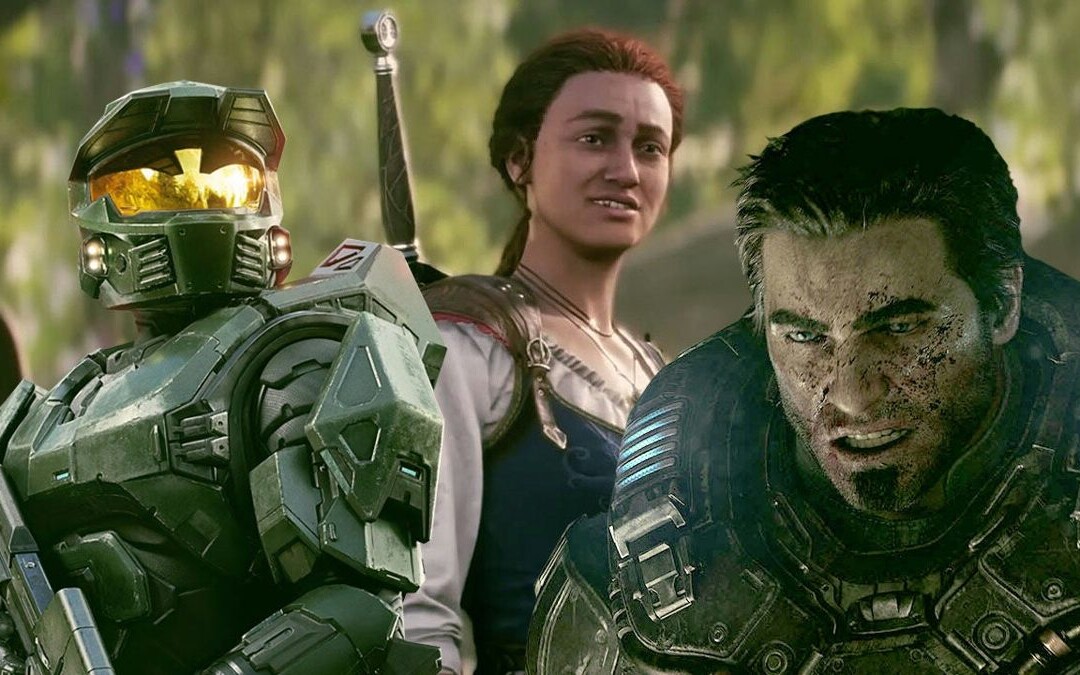
Traditionally, consoles have been defined by their exclusive games – the titles that build brand loyalty. Consumers purchased Nintendo for Mario and Zelda, PlayStation for Uncharted and God of War, and Xbox for Master Chief from Halo and Marcus Fenix from Gears of War. This distinction is now almost entirely blurred, with Microsoft openly stating that its goal is no longer to “win the console wars.” Instead, the company has transformed into a massive, multiplatform publisher. This strategy, once considered a tentative experiment in 2024, is now a firm reality.
Xbox Game Studios’ biggest hits, including the latest Doom, Indiana Jones, and even flagship series, are now available on PlayStation 5 and Nintendo consoles. This increased accessibility is fantastic for gamers – the more people who can enjoy a great game, the better. However, it’s a blow to the identity of Xbox as a piece of hardware. The primary argument for owning the device is diminishing. If a competitor’s console owner can play almost everything the same as an Xbox owner, and likewise access Sony’s games, the traditional, exclusive character of the “green box” simply ceases to exist. The console loses its soul, becoming just one of many screens for running the same code.
A PC in a Console Shell
Another nail in the coffin of the classic console concept is the evolution of the hardware itself, as demonstrated by information about the upcoming “Project Helix” device. Traditionally, a console was a closed, precisely optimized system. You inserted a disc (or downloaded a game from a closed store) and everything simply worked. Microsoft’s new vision involves creating a hybrid – a machine with powerful AMD components that will default to a modified version of Windows 11 and allow users to run not only games from the Xbox ecosystem but also classic PC games.
The introduction of a special “Xbox Mode” to Windows further blurs the lines. On one hand, this sounds like a dream come true for those who want a gaming PC in their living room without the hassle of building one. It strips the console of its greatest advantage: simplicity. Instead of a dedicated entertainment device, we get another PC, packaged in a nicer case with a controller included. The magic of dedicated architecture, from which programmers could squeeze the last bit of performance over a seven-year hardware lifecycle, disappears. Xbox becomes just another PC on the market, competing for attention with machines from Asus, Dell, and Lenovo.
The Cloud and Subscriptions Over Plastic
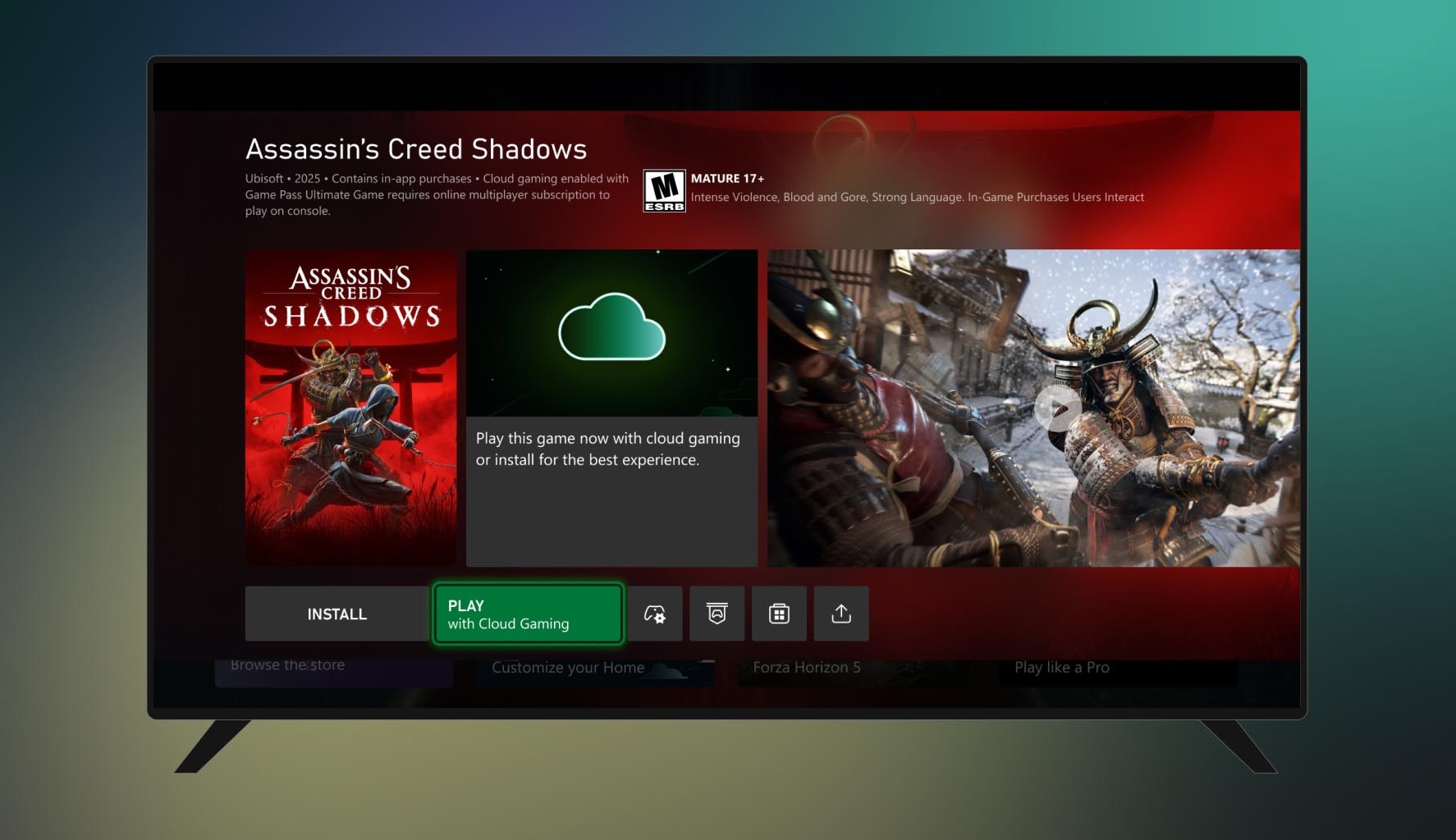
Finally, it’s essential to appear at where the true heart of the Xbox brand now lies – and it’s no longer a plastic box under the TV. Microsoft openly admits that the future is Game Pass and cloud gaming (Cloud Gaming). Sales of physical Series X and S consoles have been declining for years, losing badly to the PlayStation 5 and Nintendo Switch. Instead of trying to save this sinking ship with traditional methods, the Redmond giant decided to jump to a completely different vessel.
Today, to “have an Xbox,” you don’t even need to buy one. All you need is a modern Smart TV with the appropriate app installed, a subscription, and any Bluetooth controller. Xbox has ceased to be a physical object around which the family gathers in the living room, and has become a virtual account, an application, an icon on a phone or computer screen. Even the corporation uses the slogan “What we have is Xbox” in its marketing campaigns, pointing to smartphones or laptops. The hardware has taken a backseat, becoming merely an optional, even luxurious addition for purists, while the real center of events has moved to virtual servers.
The End of an Era
it’s hard to resist the feeling that we are witnessing the end of an era. Xbox, as we knew it – as an independent, proud console fighting for every fraction of a percent of the dedicated home hardware market – is a thing of the past. Microsoft’s strategy, focused on services, subscriptions, the cloud, and blurring the lines between PC and console (as clearly demonstrated by Project Helix), is probably the best thing that could have happened to the company from a financial point of view. It guarantees its survival and huge profits in a changing world of technology.
However, for us gamers who grew up with the cult of inserting a disc and launching a game created exclusively for that one, unique machine, it’s a change filled with melancholy. Games have become more accessible, and barriers have disappeared, but in this large, open ecosystem…
