
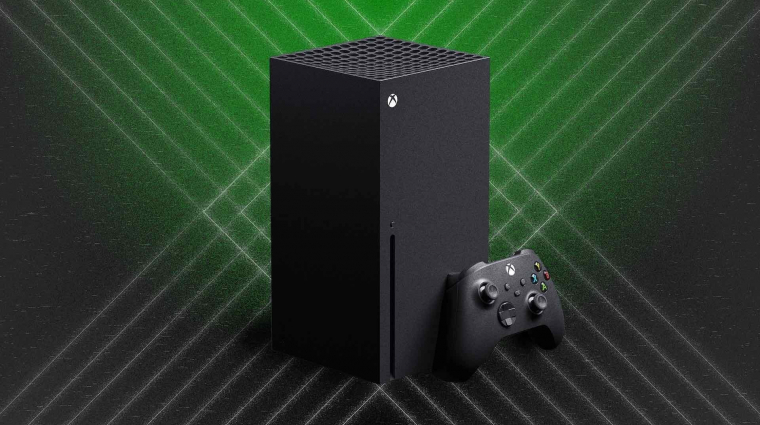
A modder has successfully created a functioning PC using components from an Xbox, demonstrating a surprising level of hardware adaptability. The project highlights the increasing interest in repurposing gaming console technology.
The accomplishment comes as the industry anticipates the arrival of Microsoft’s Project Helix, a potentially transformative initiative that has generated both excitement and apprehension. Details regarding Project Helix remain limited, but the modder’s perform offers a glimpse into the possibilities of reimagining console hardware.
In related Xbox news, the Xbox app recently received an update on March 17, 2026, allowing users to run virtually any program within the application’s interface. This expanded functionality broadens the app’s utility beyond gaming.
Security researchers also announced on March 16, 2026, that the Xbox One, previously considered unhackable, has been compromised through a new exploit called Bliss. The exploit reportedly grants access to the console’s deepest security layers.
Microsoft is also working to integrate Windows and Xbox platforms more closely. On March 16, 2026, the company announced plans to bring console-level GPU developer tools to PC.
the company unveiled AMD’s FSR Diamond, a new AI-powered upscaling technology debuting in the next generation of Xbox consoles. While initially exclusive to Xbox, the announcement suggests potential future availability for Radeon PC graphics cards. This development could intensify competition with NVIDIA’s DLSS technology.
Looking ahead, early reports indicate that the PlayStation 6 is expected to compete with the next-generation Xbox hybrid console.
Microsoft is also pushing to transform Windows 11 PCs into Xbox-like gaming experiences. A release on March 12, 2026, detailed plans for a more game- and controller-friendly interface with reduced resource consumption.
More information about the upcoming Xbox, codenamed Project Helix, was revealed on March 11, 2026, with Microsoft indicating a focus on a PC and console hybrid approach.
