
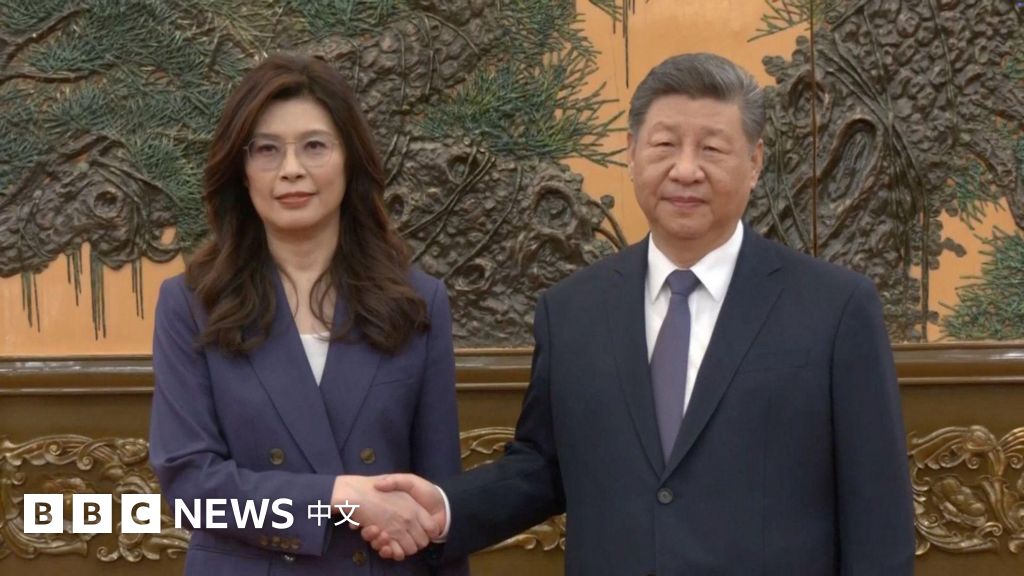
In a high-profile diplomatic encounter on April 10, 2026, Chinese leader Xi Jinping met with Kuomintang (KMT) Chairperson Cheng Li-wen in Beijing. The meeting, part of Cheng’s “2026 Peace Journey,” marks a significant moment in cross-strait relations as both leaders discussed the future of stability and cooperation between the two sides.
Push for Institutional Peace
During the talks, Cheng Li-wen emphasized that peace is a shared moral value and a common goal. She urged both parties to move beyond political confrontation and instead develop “institutional solutions” to prevent and avoid war. Cheng advocated for the creation of sustainable, systematic dialogue and cooperation mechanisms to ensure that peaceful development becomes irreversible.
The KMT leader stated that she is willing to undertake any action that contributes to cross-strait peace. She as well raised the issue of increasing Taiwan’s international participation, noting that Xi Jinping provided a “positive response” to the proposal.
Hardline Stance on Sovereignty
While the meeting sought common ground, President Xi Jinping maintained a firm position regarding national sovereignty. Xi reiterated his commitment to the “1992 Consensus” and voiced strong opposition to “Taiwan independence,” asserting that such movements undermine peace in the Taiwan Strait. He stated that these actions would not be tolerated or condoned, declaring that the future of the two sides remains firmly in the hands of the Chinese people.
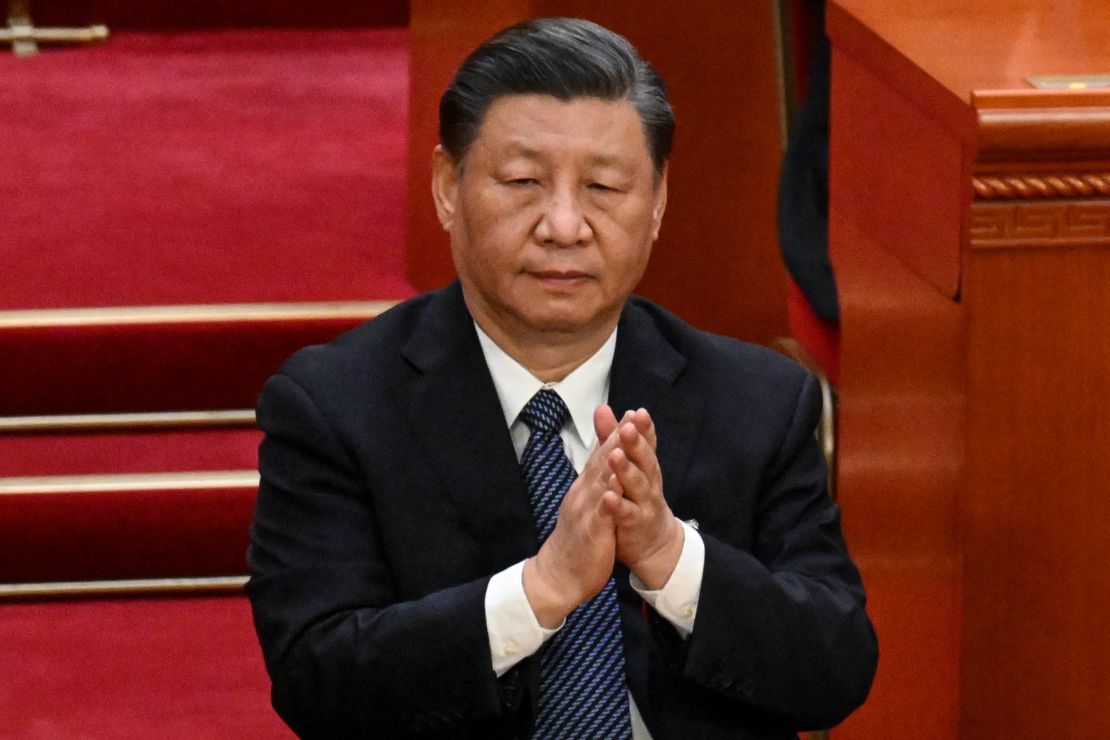
This meeting underscores the ongoing tension between the desire for regional stability and the rigid political boundaries surrounding sovereignty and identity in East Asia.
Meeting Logistics and Tensions
The “Cheng-Xi meeting” began with welcoming remarks from Xi Jinping, followed by a speech from Cheng Li-wen. However, the event was marked by some friction; reports indicate that the live broadcast was cut off before Cheng could finish her remarks, and journalists were asked to leave the room because her speech exceeded the allotted time. The two leaders were seen shaking hands for approximately 13 seconds.
Cheng noted that this meeting occurs after a ten-year gap since the last such high-level exchange, highlighting the weight of the historical responsibility placed upon current leadership to navigate a volatile global era.
