
Jakarta: Released initially in 2009, Yakuza 3 has often been considered an outlier within the Like a Dragon series due to its less refined combat mechanics. However, the February 2026 launch of Yakuza Kiwami 3 & Dark Ties is aiming to change that perception.
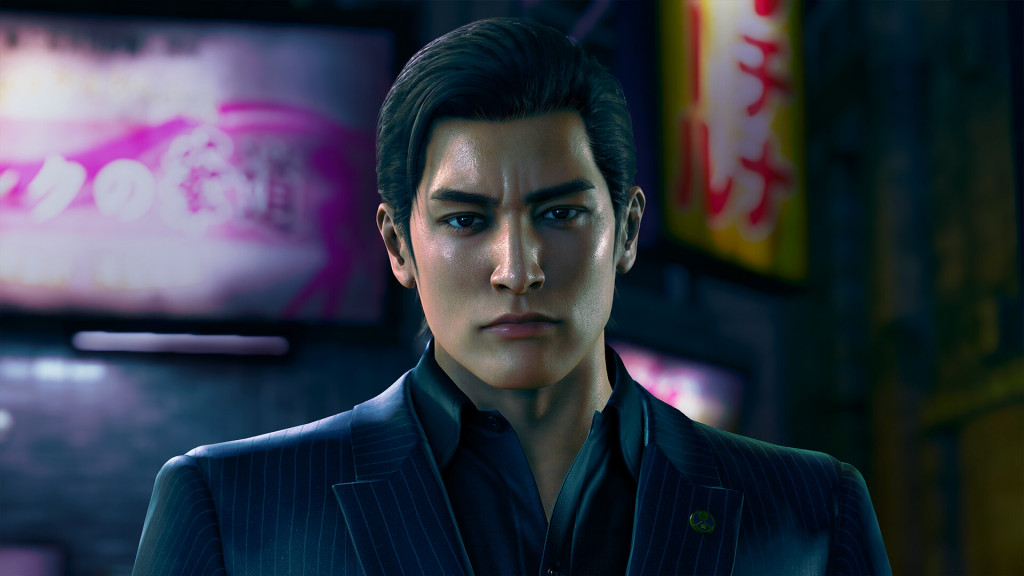
While Kiwami 3 focuses on a modernized retelling of Kazuma Kiryu’s story in Okinawa, the core appeal for long-time fans lies in the additional campaign, Dark Ties. This standalone prequel places players in the role of Yoshitaka Mine, one of the series’ most complex antagonists.
Set in Kamurocho in 2007, two years before the events of Yakuza Kiwami 3, Dark Ties introduces Mine not as the feared Yakuza boss he later becomes, but as the CEO of a successful startup facing a crisis after being betrayed by business associates. The narrative skillfully explores Mine’s emotional emptiness—a man who possesses material wealth but lacks genuine human connection. This focus on character motivation is a key element in the ongoing evolution of narrative design in the action-adventure genre.
The story takes a pivotal turn when Mine witnesses the unwavering loyalty of the Tojo Clan members, who are willing to die protecting their leader, Daigo Dojima. Obsessed with understanding this genuine bond, Mine decides to enter the criminal underworld, aligning himself with Tsuyoshi Kanda of the Nishikiyama Family. Despite a relatively short main story duration—approximately 3 to 6 hours—the character writing is sharp and provides new depth to Mine’s previously hinted-at motivations.
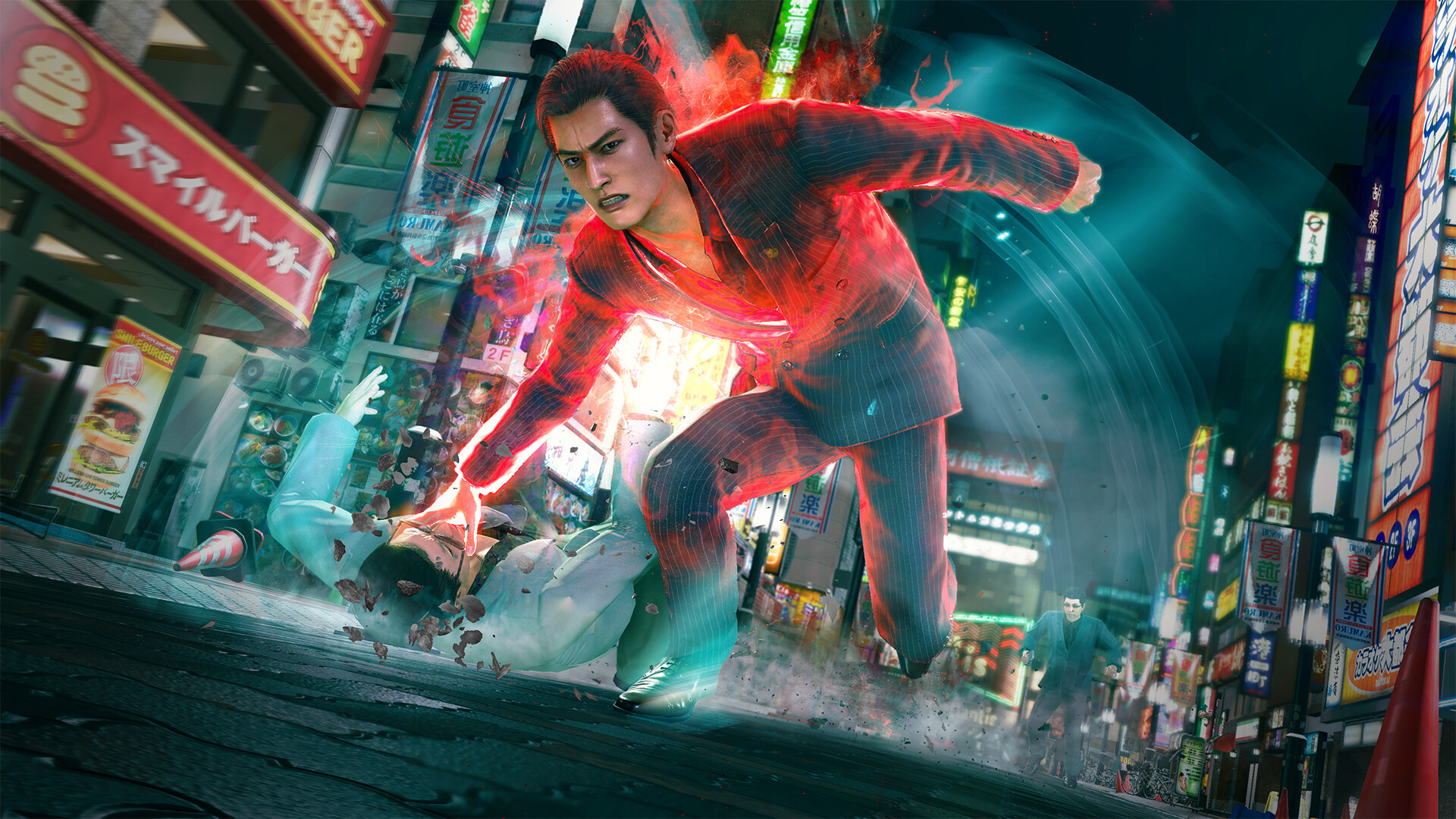
From a gameplay perspective, Mine offers a distinctly different experience compared to Kiryu. Where Kiryu is a powerful tank relying on brute strength and traditional Ryukyu weaponry, Mine is a nimble boxer and MMA fighter. His movements emphasize speed, quicksteps, and precise counterattacks.
A standout feature is Dark Awakening. By collecting Shackled Hearts during combat, players can activate a rage mode that transforms Mine into a ferocious killing machine. Activated with the R2 button, Mine abandons disciplined martial arts techniques and attacks with animalistic ferocity—dragging enemies across the asphalt with dramatically visualized, bloody shadow effects.
Adding to the package is the introduction of Survival Hell mode. This is Ryu Ga Gotoku Studio’s bold experiment within the roguelike genre. Players navigate randomly generated dungeon floors filled with traps and increasingly powerful enemies.
Here, players can recruit mercenaries with unique abilities, such as The Cremationist, who wields wide-range fire attacks, or The Shinobi, who increases the chance of finding rare items. The high-risk, high-reward system is prominent; death within the dungeon results in the loss of all progress, and loot. This mode offers significant replayability, exceeding that of additional content like the Majima Saga in Kiwami 2.
However, Dark Ties isn’t without its drawbacks. The Kanda Damage Control feature tasks Mine with performing various decent deeds in Kamurocho to rehabilitate Tsuyoshi Kanda’s public image, allowing him to climb the ranks.
The issue is that the game’s narrative clearly establishes Kanda as a cruel sexual predator. Forcing players to actively restore the reputation of a character with no moral compass feels deeply unsettling and creates a disturbing cognitive dissonance.
Visually, the character models of Mine and Daigo are highly detailed, complete with facial expressions that convey deeper emotions during cinematic scenes. However, the heavy blue filter applied to the Kamurocho environment sometimes obscures the city’s details.
Conclusion
Dark Ties is an intriguing experiment, despite its flaws. It delivers a remarkably satisfying MMA combat system and an addictive roguelike mode. However, it likewise carries a heavy moral burden through player involvement in ethically questionable criminal acts.
For dedicated fans, Dark Ties is essential content, offering a new perspective on Mine’s fate.
Plus
- New story
- Mine’s unique fighting style
Cek Berita dan Artikel yang lain di

Google News
(MMI)
