Zurich is poised for a potential shift in political dominance, with current leaders anticipating a complete “Red-Green” control of the city within a week. This potential outcome signals a significant commitment to reshaping the public space within Switzerland’s largest city.
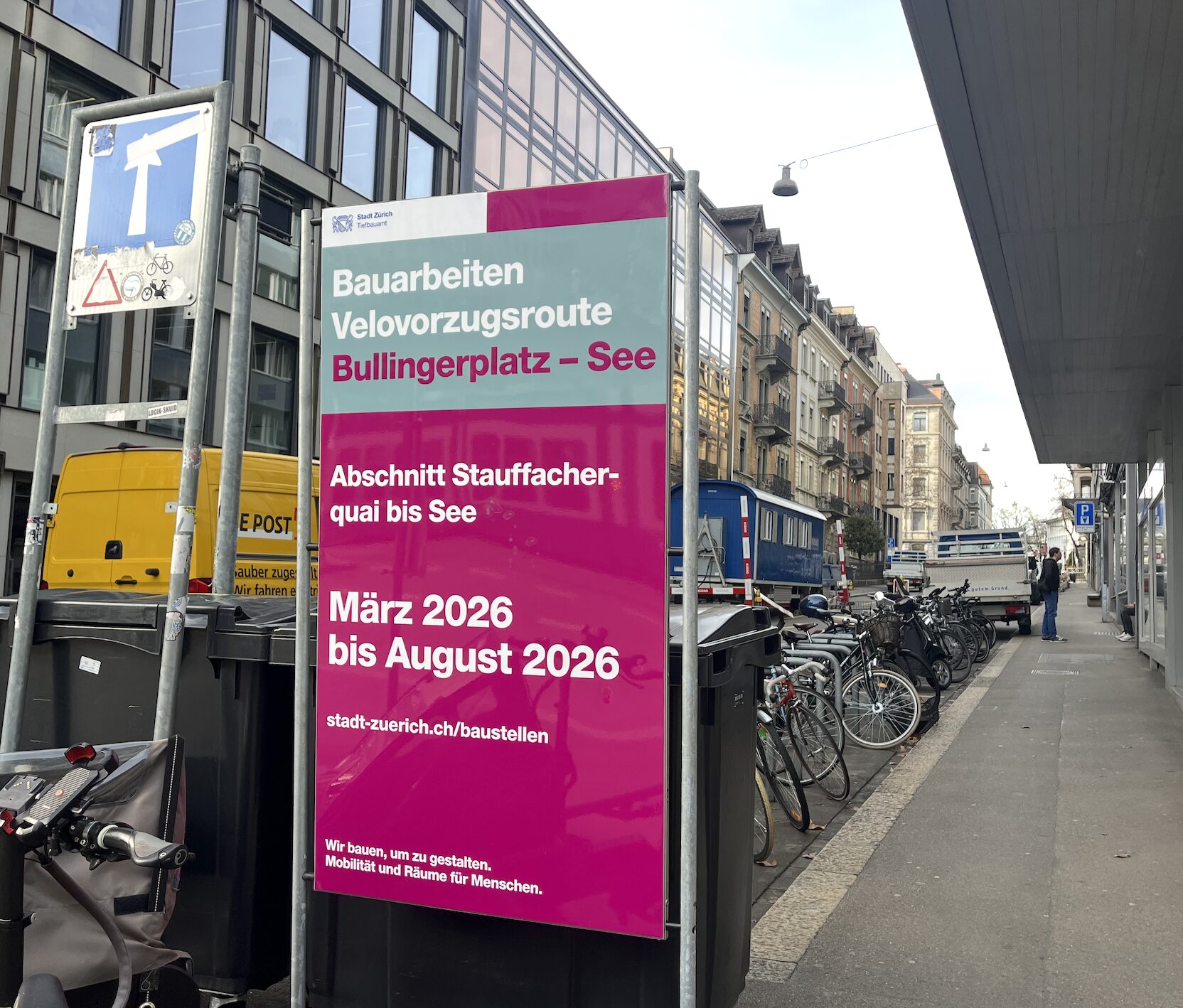
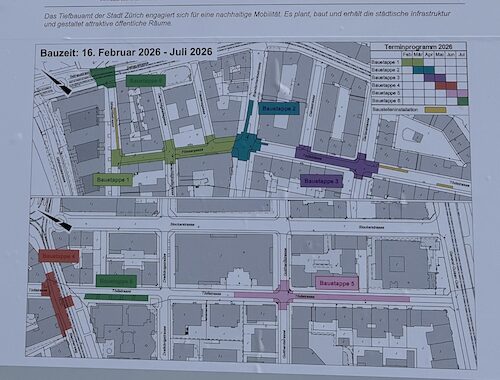
City officials, led by the Social Democratic Party (SP), are undertaking extensive infrastructure projects focused on expanding bicycle infrastructure. These projects, spanning areas from Bullingerplatz in District 3 to the former Selnau train station and the Mythentquai insurance district, are transforming roadways into dedicated bicycle routes.
The ambitious plan involves the removal of numerous parking spaces and the introduction of increased density through new office buildings and residential developments, leading to construction-related disruptions for residents, and businesses.
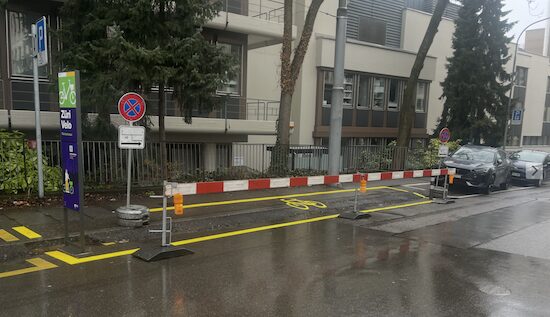
Recent developments near the former Credit Suisse headquarters, known as the “Palme” building, illustrate the complexities of these projects. A newly constructed bicycle parking area, created by removing four car parking spaces, saw limited use before being dismantled due to planned renovations to the building.
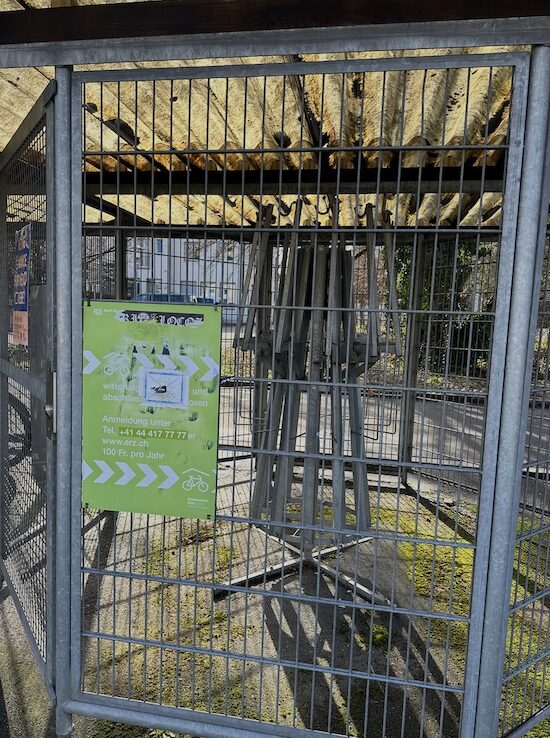
The city’s approach to cycling infrastructure has too faced criticism regarding coordination and cost-effectiveness. In Zurich-Seebach, bicycle parking facilities at the tram terminus are largely unused, showing signs of disrepair with overgrown vegetation and weathered signage. This highlights potential inefficiencies in infrastructure planning and resource allocation.
The city’s investment in cycling infrastructure has grown significantly in recent years. Initially budgeted at 100 million, the planned expenditures have tripled to 350 million, according to reports. This increase occurred even before a substantial portion of the originally approved funds had been allocated. The decision to expand the budget reflects a commitment to prioritizing cycling, but also raises questions about financial oversight and long-term planning.
The city’s ambitions extend to emulating Utrecht, Netherlands, a city renowned for its cycling infrastructure. This transformation is impacting automobile access, with increased parking fees and restrictions on larger vehicles. The city is also promoting cargo bikes for waste disposal, though the effectiveness of this initiative remains to be seen.
Despite the significant investment, many of the new bicycle lanes and parking facilities remain underutilized. The highways are often empty, parking spaces are vacant, and infrastructure deteriorates. Some within the SP have voiced concerns that these policies may alienate voters and push them towards opposing political parties.
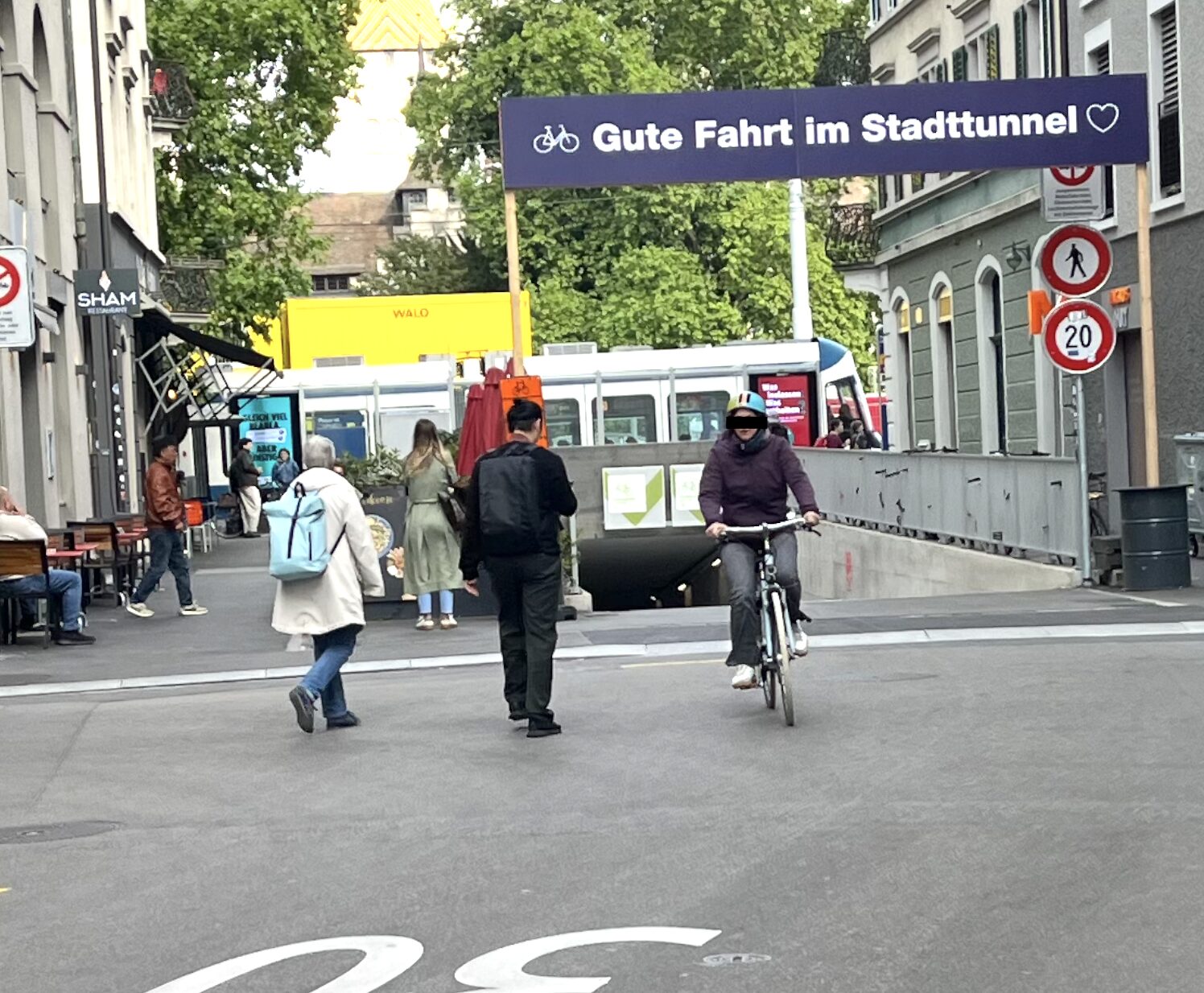
The city’s current trajectory is supported by a public that largely favors the SP’s ideology, suggesting the party is likely to remain in power despite concerns about the cost and effectiveness of its infrastructure projects.
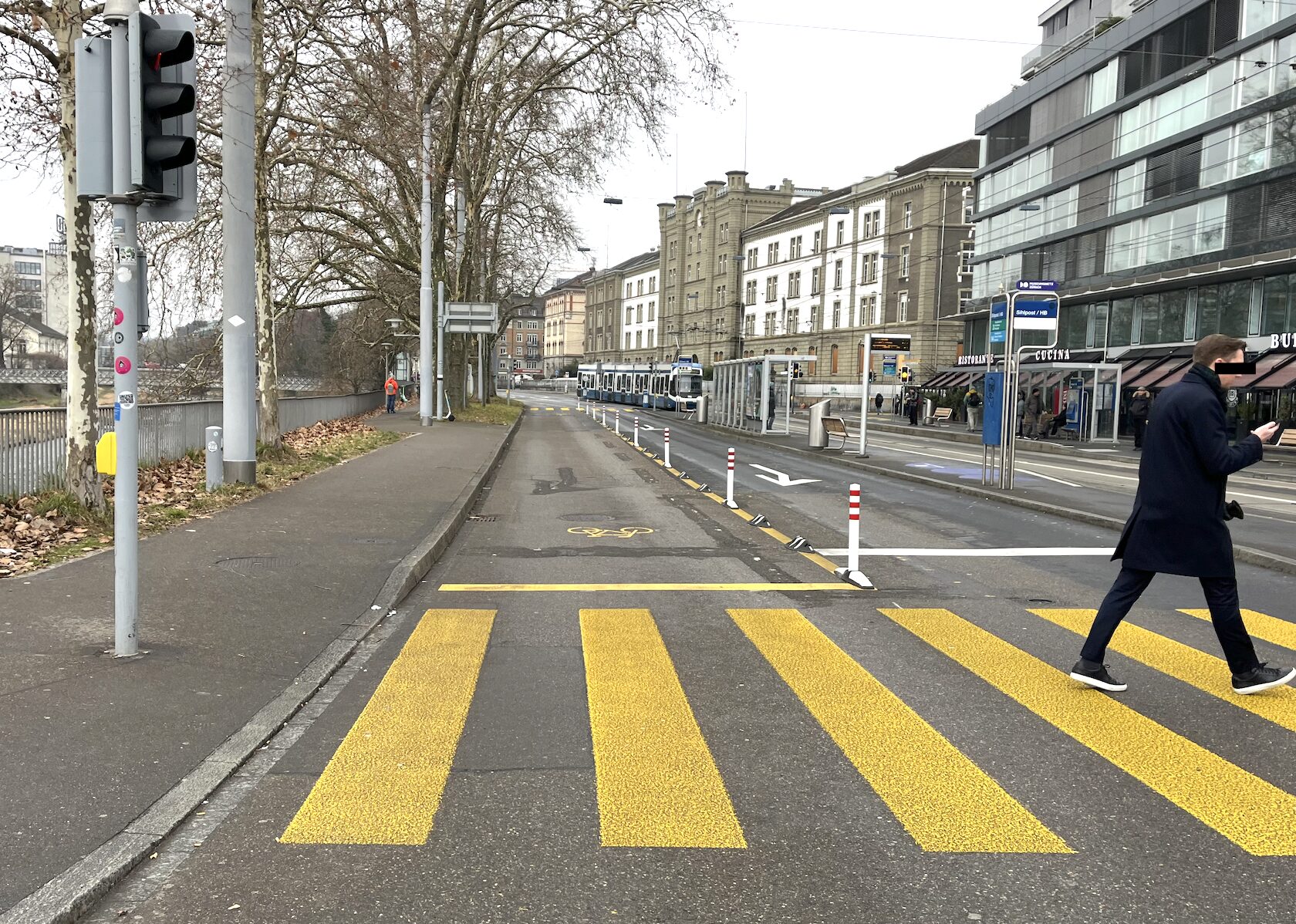
The city’s transformation is funded in part by residents and businesses, who are facing increasing tax burdens. The shift away from automobile infrastructure is also impacting local businesses, as evidenced by the decline in deliveries by car and the rise in reliance on courier services.
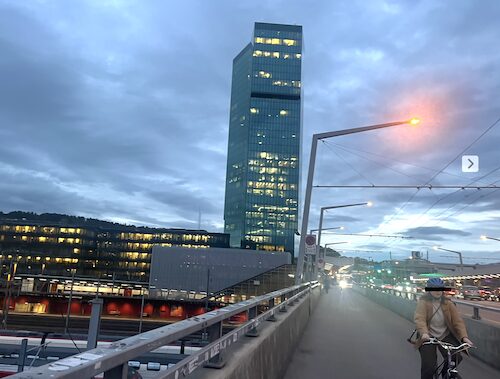
The city is looking to Utrecht, Netherlands, as a model for its transformation. Utrecht is known for its extensive cycling infrastructure.