

Oil Markets Brace for Turbulence as Brent Closes Week at $101 Amid Conflicting Geopolitical Signals
Global energy benchmarks navigated a volatile trading week, characterized by a significant overall decline despite a late-session recovery triggered by renewed instability in the Arabian Gulf.
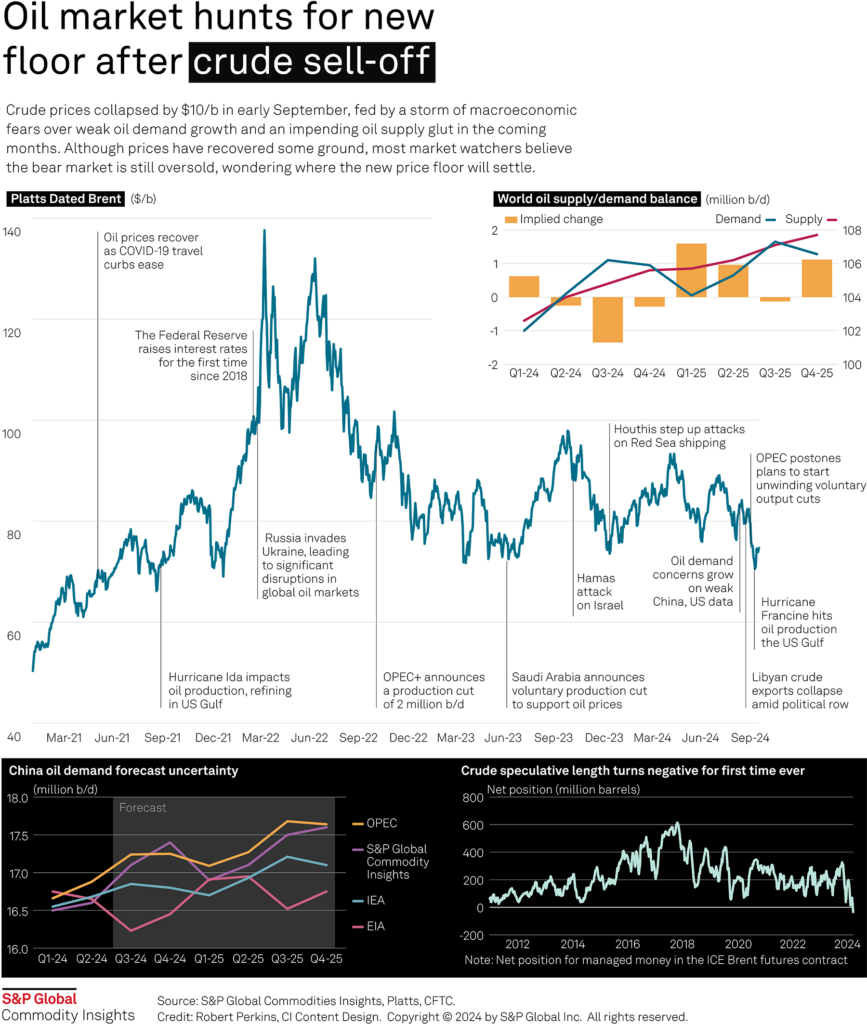
Brent crude finished the week at $101 per barrel, capping a period of notable weakness where prices dropped by 6%. Other market reports indicate the slide may have been as deep as 7% over the course of the week, a trend largely attributed to the U.S. Administration’s continued adherence to a truce under Donald Trump.
The weekly downturn was partially mitigated on Friday, when prices climbed 1% during the final trading session. This late-week rebound was driven by a spike in geopolitical tensions within the Arabian Gulf, illustrating the market’s persistent sensitivity to regional instability.
This volatility reflects a broader systemic shift in the energy landscape. The International Energy Agency (IEA) has warned that energy markets are entering a “turbulent phase,” suggesting that the current instability is part of a larger, more volatile trend in global energy dynamics.
Citigroup Inc. has analyzed the current price ceiling, offering an explanation as to why oil prices have failed to rise more aggressively despite various supporting factors. The bank’s analysis underscores the complex economic constraints currently limiting upward price momentum.
The juxtaposition of weekly losses against a late-week spike highlights a market caught between macroeconomic headwinds and acute geopolitical risk, reinforcing the IEA’s outlook of prolonged instability.
