

How to Choose the Right Smart Home Ecosystem in 2026
Building a smart home in 2026 doesn’t require a custom installer or a five-figure budget—just a voice assistant and a little strategic planning. The technology has evolved far beyond its early days of clunky setups and limited compatibility, but the core question remains: Which ecosystem should you commit to? The answer, experts suggest, might already be sitting in your pocket—or on your nightstand.
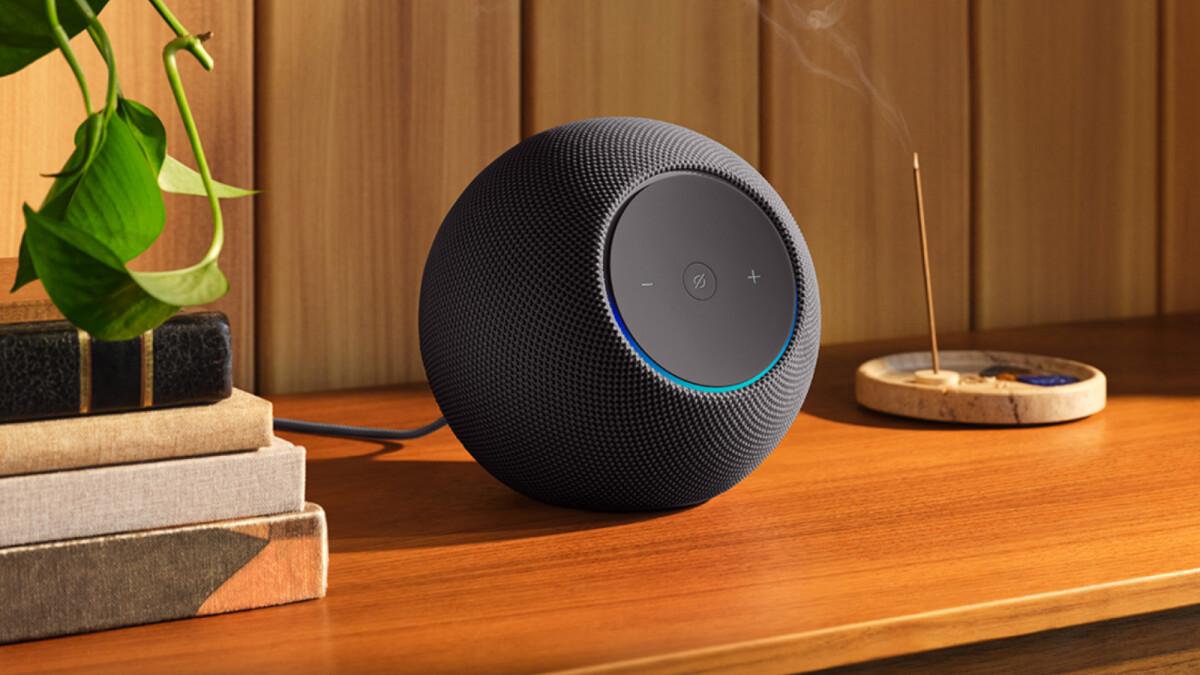
Voice assistants have become the central nervous system of modern smart homes, controlling everything from lighting and thermostats to garage doors and window blinds. But with Amazon Alexa, Apple HomeKit and Google Gemini all vying for dominance, the decision isn’t just about features—it’s about seamless integration with the devices you already own. As WIRED notes in its latest smart home guide, “The best system for you will be the path of least resistance.”
Alexa: The Pioneer With the Widest Reach
Amazon’s Alexa ecosystem still leads the pack in sheer device variety. The company offers 11 distinct smart speaker and display models in 2026, from the compact Echo Dot to the high-fidelity Echo Studio, plus several legacy options still available through retailers. This breadth makes Alexa the most accessible choice for households with diverse needs—whether you’re outfitting a child’s room, upgrading your home theater, or simply looking for a budget-friendly entry point.
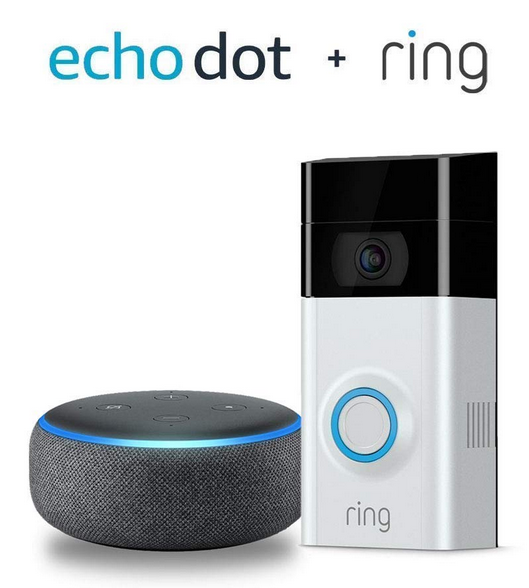
Alexa’s dominance traces back to the original Echo speaker in 2012, which democratized smart home technology by eliminating the necessitate for professional installation. Today, its compatibility with thousands of third-party devices—from smart locks to kitchen appliances—remains unmatched. But the platform isn’t without its frustrations. Users have criticized Amazon’s shift toward paywalled features, a lackluster update to its voice assistant, and ongoing privacy concerns tied to its Ring security division.
“WIRED: Huge selection of smart speakers and device compatibility. TIRED: Paywalls, a meh new assistant, and Ring’s problematic policy.”
Google Gemini and Apple HomeKit: The Smartphone-Centric Alternatives
For users deeply embedded in Apple or Google’s ecosystems, the choice may already be made. Apple’s HomeKit leverages Siri and the company’s reputation for privacy, making it a natural fit for iPhone and Mac users. Meanwhile, Google’s Gemini assistant (the successor to Google Assistant) excels in AI-driven features like contextual understanding and predictive automation—ideal for those who prioritize smarter, not just more, connectivity.
The key advantage of both platforms? They eliminate the need for additional hardware if you already own a smartphone or tablet. As WIRED advises, “Your smartphone is the easiest entry point to pick from Apple or Google.” This approach reduces clutter and simplifies setup, though it may limit your options for standalone smart speakers or displays.
The Matter Standard: A Glimpse of a Unified Future
One of the biggest challenges in smart home adoption has been the lack of interoperability between competing ecosystems. Enter Matter, a universal connectivity standard launched in 2022 that allows devices from different brands to communicate seamlessly. While still in its early stages, Matter support is expanding, with major players like Amazon, Google, and Apple committing to the protocol. For now, though, most users will still need to choose a primary ecosystem to unlock the full potential of their smart home.
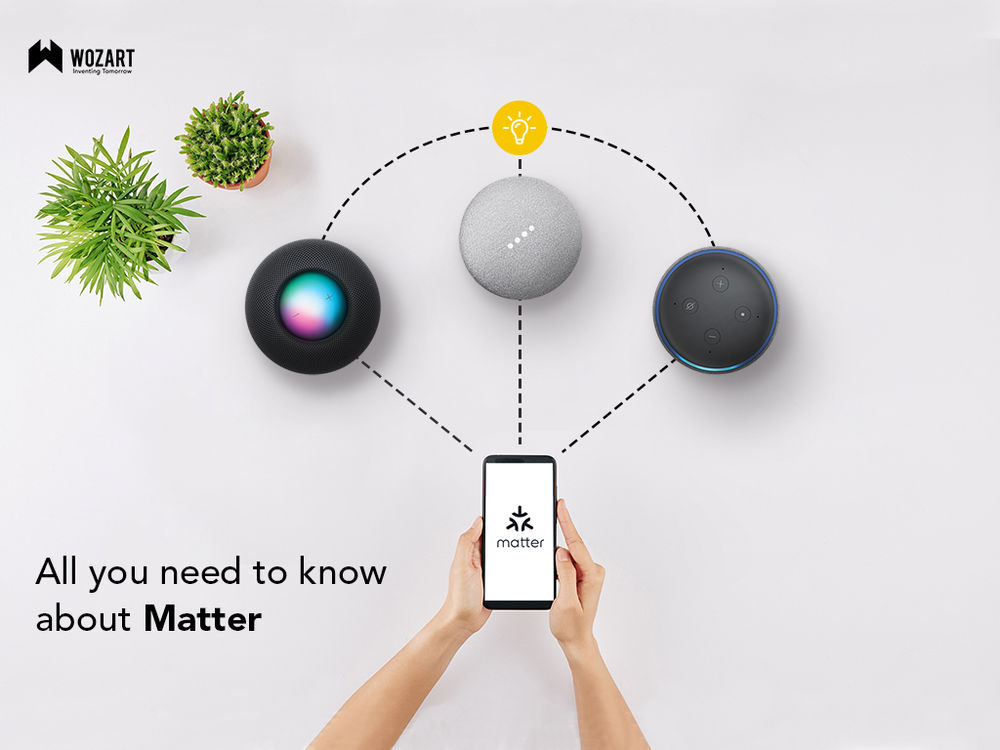
The rise of Matter underscores a broader trend in the industry: the shift from proprietary silos to open standards. If successful, it could reduce the friction of mixing and matching devices—though experts caution that full compatibility remains years away. Until then, the smart home market continues to reward those who align with a single ecosystem.
How to Decide: A Simple Framework
With so many options, the decision often comes down to three factors:
- Device Compatibility: Audit the smart devices you already own. Do they work best with Alexa, Google, or Apple? Most manufacturers list supported ecosystems in their product specs.
- Daily Habits: If you’re an iPhone user who relies on Siri for reminders and messages, HomeKit will feel like a natural extension. Android loyalists, meanwhile, may prefer Google’s AI-driven approach.
- Future-Proofing: Consider where you’re headed. Planning to expand your smart home with new gadgets? Check which ecosystem offers the most robust third-party support. Prioritizing privacy? Apple’s walled garden may be the safest bet.
As smart home technology becomes more sophisticated, the stakes of choosing an ecosystem are higher than ever. The wrong decision can mean dealing with clunky integrations, limited features, or even security vulnerabilities. But for most users, the right choice isn’t about finding the “best” platform—it’s about finding the one that fits seamlessly into their existing digital life.
The Bottom Line
Smart homes are no longer a futuristic fantasy—they’re a practical upgrade for millions of households. But as the market matures, the focus is shifting from “What can this do?” to “How well does this work with what I already have?” The good news? You don’t need to be a tech expert to get it right. Start with the devices you employ every day, and let that guide your choice. After all, the most advanced smart home is the one that actually makes your life easier—not the one that requires a manual to operate.
