
Common Medications May Pose Hidden Risks to Heart Health, Cardiologist Warns
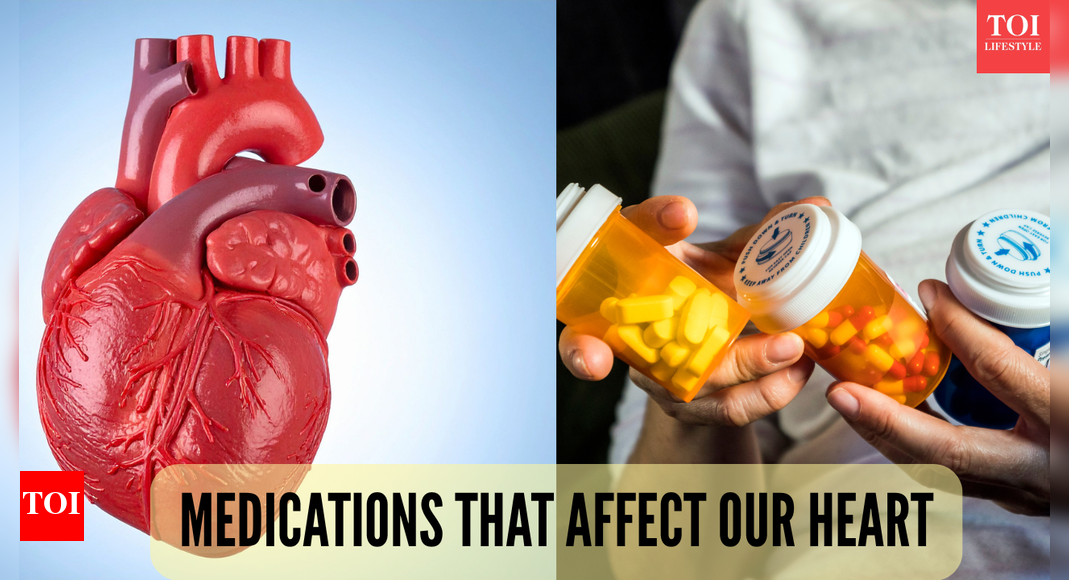
A leading cardiologist is urging individuals to be more aware of potential cardiovascular risks associated with commonly used medications, including pain relievers, cancer treatments, and drugs for conditions like ADHD and diabetes.
Dr. Dimitry Yaranov, a respected cardiologist, cautions that frequent use of nonsteroidal anti-inflammatory drugs (NSAIDs) like ibuprofen and naproxen can lead to increased blood pressure and potentially heart failure due to fluid retention. While often readily available over-the-counter for headaches and muscle aches, he advises consulting a doctor before regular use, particularly for those with pre-existing heart conditions. Understanding blood pressure is crucial for overall health; learn more about high blood pressure from the American Heart Association.
Chemotherapy drugs such as doxorubicin and trastuzumab can weaken the heart muscle, and stimulant medications prescribed for ADHD can elevate heart rate and blood pressure, increasing the risk of arrhythmias. Dr. Yaranov also noted that older diabetes medications like rosiglitazone have been linked to a higher risk of heart failure, prompting a shift towards more heart-friendly alternatives. The increasing prevalence of heart disease makes proactive awareness of these risks even more vital. You can find more information on heart disease from the CDC.
Decongestants containing pseudoephedrine, commonly used for colds and allergies, can also spike blood pressure and disrupt heart rhythms, posing a risk to individuals with existing cardiovascular issues. Dr. Yaranov emphasized the importance of open communication with healthcare providers regarding all medications, both prescribed and over-the-counter, especially for those with a family history of heart disease or pre-existing conditions.
Health officials recommend continued monitoring and discussion with doctors to balance treatment benefits with potential cardiovascular side effects, ensuring patients remain informed and proactive about their heart health.
