
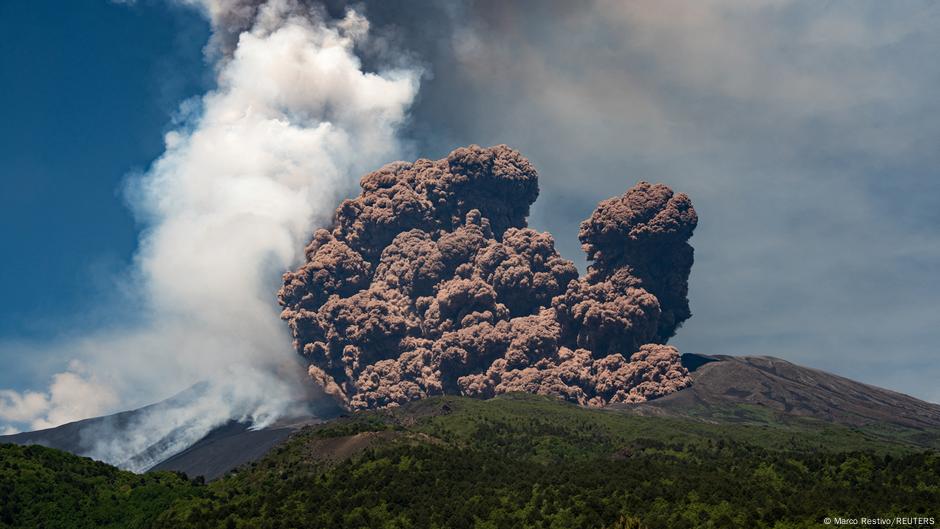
What if predicting volcanic eruptions was more than just a matter of chance? This article explores how the study of Mount Etna is becoming a crucial window into the future of volcanology and Earth science. Discover how advanced monitoring technologies, the impacts of climate change, and enduring tourism practices are shaping our understanding of mount Etna and volcanoes worldwide [[3]].
Mount Etna: A Window into the Future of Volcanic Activity and Earth Science
Table of Contents
- Mount Etna: A Window into the Future of Volcanic Activity and Earth Science
- Advanced Monitoring and Prediction: Staying Ahead of the Curve
- The Impact of Climate Change on Volcanic Activity
- Volcano Tourism and Sustainable Practices
- The Future of Volcanology: Research and Innovation
- Conclusion: A dynamic Future for Mount etna
Mount Etna, a towering presence on the Italian island of Sicily, is more than just a scenic landmark.It’s a dynamic, ever-changing laboratory for understanding our planet. As Europe’s largest and most active volcano, Etna offers invaluable insights into volcanic processes, geological hazards, and the delicate balance of ecosystems. Let’s delve into the potential future trends related to this fascinating natural wonder.
Advanced Monitoring and Prediction: Staying Ahead of the Curve
One of the most significant trends is the advancement of volcano monitoring technologies. Scientists are employing elegant tools to track Etna’s activity with unprecedented precision. This includes:
- Seismic Networks: Dense networks of seismometers constantly monitor ground movements, providing early warnings of potential eruptions.
- Gas Emission Analysis: measuring the composition and volume of gases released by the volcano helps scientists understand the magma’s behavior and predict eruptions.
- Satellite Imagery: Satellites equipped with advanced sensors provide high-resolution images and data on ground deformation, thermal anomalies, and changes in the landscape.
Pro Tip: Stay informed about Etna’s activity by following reputable scientific institutions like the Italian National Institute of Geophysics and Volcanology (INGV) and the British Geological Survey.
The Impact of Climate Change on Volcanic Activity
climate change is another critical factor influencing the future of volcanoes like Etna. While the direct link between climate change and volcanic eruptions is still being researched, several indirect effects are emerging:
- Glacial Melt: The melting of glaciers on or near volcanoes can alter the stress on the Earth’s crust, potentially increasing volcanic activity.
- Sea Level Rise: Rising sea levels can increase the risk of coastal erosion and landslides, which could destabilize volcanic flanks and trigger eruptions.
- changes in Precipitation Patterns: Altered rainfall patterns can affect the stability of volcanic slopes and influence the frequency of lahars (mudflows).
Did you know? The eastern flank of Mount Etna is slowly sliding into the Ionian Sea, a process that could be accelerated by climate change-related factors.
Volcano Tourism and Sustainable Practices
mount Etna is a major tourist destination, attracting visitors from around the globe. As tourism grows, ther’s a rising need for sustainable practices to protect the volcano’s surroundings and ensure the safety of visitors. This includes:
- Controlled Access: Limiting access to certain areas during periods of high volcanic activity.
- Environmental Education: Educating tourists about the volcano’s unique ecosystem and the importance of conservation.
- Responsible Waste Management: Implementing effective waste management systems to minimize pollution.
Case Study: The Etna Park Authority is actively involved in promoting sustainable tourism practices, including the progress of eco-kind trails and visitor centers.
The Future of Volcanology: Research and Innovation
Mount Etna continues to be a focal point for cutting-edge research in volcanology. Scientists are constantly seeking to improve their understanding of volcanic processes and develop new technologies for monitoring and hazard assessment. Some key areas of focus include:
- AI and Machine Learning: Using artificial intelligence to analyse vast datasets and improve eruption forecasting.
- Geothermal Energy: Exploring the potential of harnessing geothermal energy from volcanic sources.
- Volcanic Hazard Mapping: Creating detailed hazard maps to identify areas at risk from lava flows, ashfall, and othre volcanic phenomena.
reader Question: How can we balance the benefits of tourism with the need to protect the environment around Mount Etna?
Conclusion: A dynamic Future for Mount etna
Mount Etna’s future is intertwined with advancements in science, the impacts of climate change, and the choices we make regarding tourism and conservation. By embracing innovative technologies, promoting sustainable practices, and fostering a deeper understanding of volcanic processes, we can ensure that this iconic volcano continues to inspire and inform us for generations to come.
what are your thoughts on the future of Mount Etna? Share your comments and insights below!
