
Lung Cancer Risks Extend Beyond Smoking: Experts Warn of Environmental Triggers and Importance of Early Detection
While lung cancer is frequently associated with tobacco use, medical experts are highlighting that the disease also significantly impacts non-smokers. Environmental factors and early warning signs are becoming central to public health discussions as clinicians work to broaden the understanding of who is at risk.
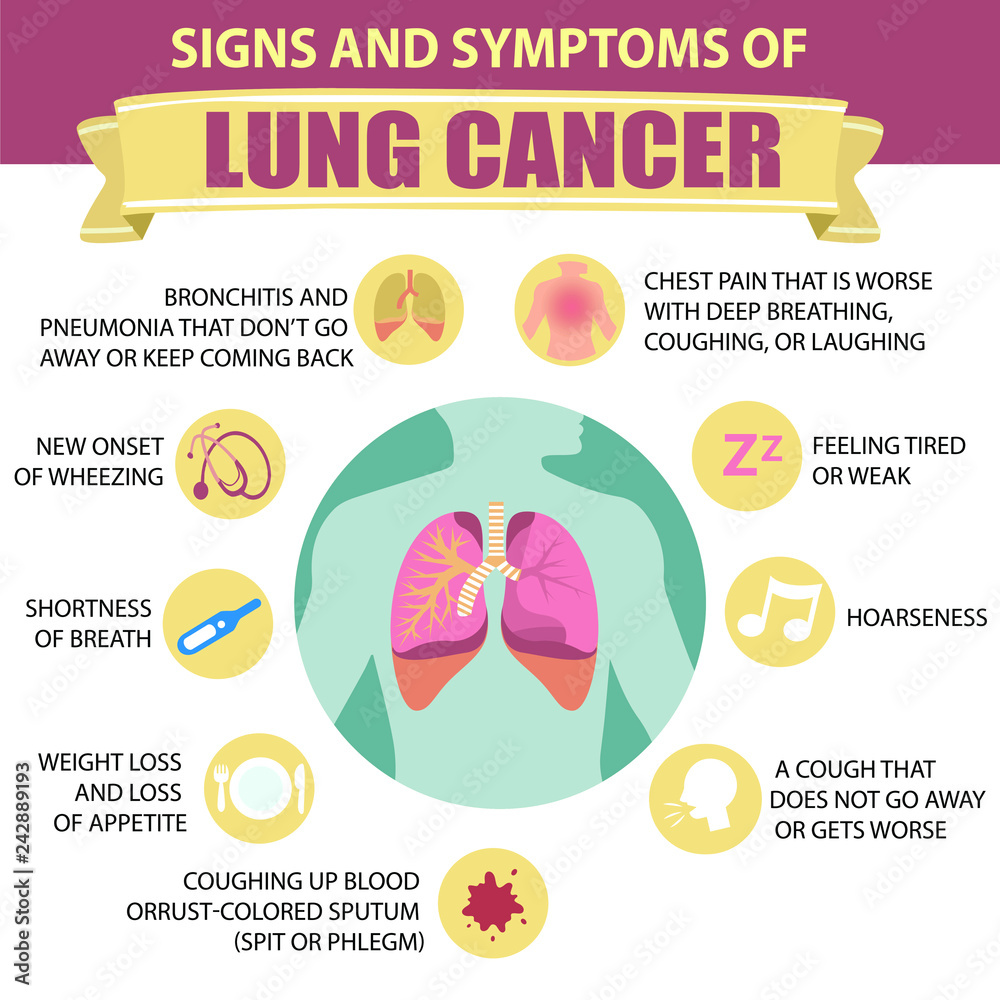
According to recent reports, various external triggers can contribute to the development of the disease in those who have never smoked. These risks include exposure to radon, pollution, and even the use of candles. These findings underscore the reality that lung cancer does not exclusively affect smokers, and oncologists are urging the public to remain vigilant for early signs of the disease.
Early detection remains the most effective tool in improving patient outcomes. Dr. Gérald Kierzek, an emergency physician at the Hôtel-Dieu de Paris and the Medical Director of Doctissimo, has issued a warning regarding common, “banal” symptoms that should never be ignored. Identifying these subtle indicators early can be critical in starting treatment before the disease progresses.
To combat the mortality rate of the disease, targeted screening initiatives are being expanded. In France, targeted lung cancer screening is launching in five regions, including Paca. This proactive medical approach is estimated to reduce mortality by 20%, demonstrating the life-saving potential of precise, early intervention.
Beyond specific screenings, the broader challenge of healthcare access continues to play a role in public health. There is a noted resurgence in mobile medicine to reach underserved populations. As highlighted in reports on itinerant medical services, these programs often identify patients who lack a primary care physician during their first visit. Ensuring that all individuals, regardless of their location or insurance status, have access to basic health screenings is a vital component of reducing the overall impact of preventable and detectable cancers.
The combination of environmental awareness, physician alerts on early symptoms, and the expansion of targeted screening represents a comprehensive shift toward reducing lung cancer deaths across diverse patient populations.
