
Beyond Meditation: Psychologists Highlight ‘Weirdly Specific’ Hobbies for Anxiety Relief
New research indicates that engaging in focused, tactile hobbies like pottery, foraging, and trail running can be as effective—and for some, more effective—than traditional mindfulness practices in managing anxiety.
While mindfulness has long been promoted as a key anxiety management tool, psychologists are increasingly recognizing that movement-based and sensory activities can offer similar benefits by regulating the nervous system in a more accessible way. These hobbies don’t simply distract, but actively engage the body and mind, fostering a sense of presence. Dr. Cathy Malchiodi, an expressive arts therapist, explains that tactile art forms like pottery help discharge emotional tension through the body, activating the parasympathetic nervous system—responsible for rest and recovery.
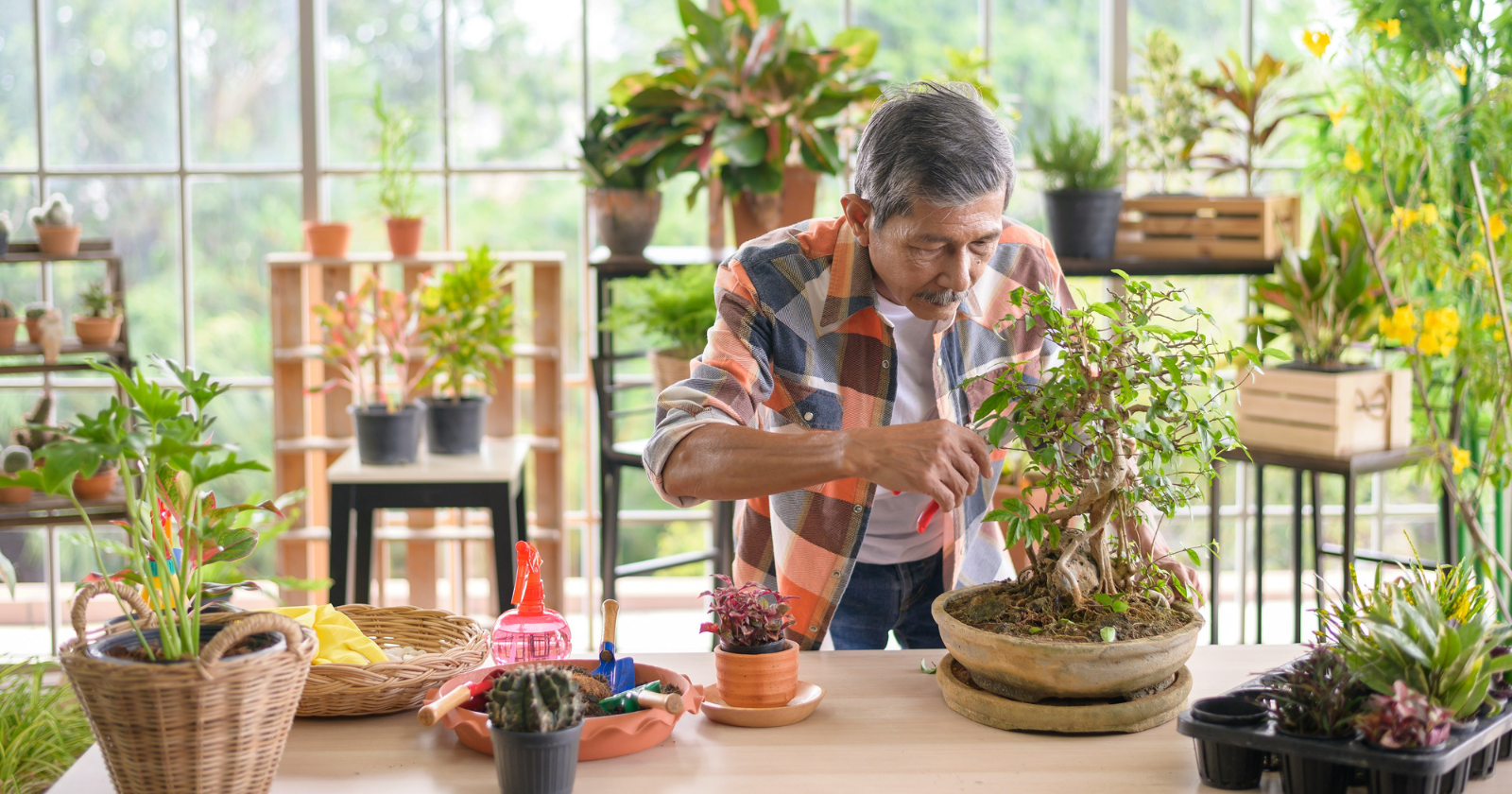
Studies show tangible benefits from these activities: a 2022 study in Scientific Reports linked birdwatching to noticeable boosts in mental well-being lasting up to eight hours. Similarly, gardening has been shown to increase serotonin levels, mirroring the effects of some antidepressants, according to research from the University of Florida. Even activities like jigsaw puzzles and improv comedy can induce a “flow” state, releasing dopamine and reducing stress hormones. This growing body of evidence suggests that anxiety relief isn’t solely about stillness, but about finding activities that promote embodied presence and focused engagement – a concept explored further in our recent article on emerging mental health trends.
Experts emphasize that the “right” approach to anxiety management is highly individual. If traditional mindfulness feels counterproductive, exploring these alternative hobbies may provide a more effective path to calm. Officials recommend consulting with a mental health professional to determine the best strategies for individual needs.
