
in the Netherlands, the story of Oterdum-a village deliberately dismantled beginning in the 1960s for industrial expansion-highlights a recurring tension between economic progress and the preservation of community and cultural heritage. Located in the province of Groningen, Oterdum’s erasure paved the way for the region’s burgeoning petrochemical industry, a move that ultimately displaced its approximately 300 residents. Despite the village’s near-total disappearance, a handful of former inhabitants continue a decades-long tradition of remembrance, tending to the remaining memorial and gravestones as a testament to Oterdum’s once-vibrant life.
A former village, Oterdum, was displaced in the 1960s and 70s to make way for industrial development, leaving behind only a memorial and a scattering of weathered gravestones on the remaining dike.
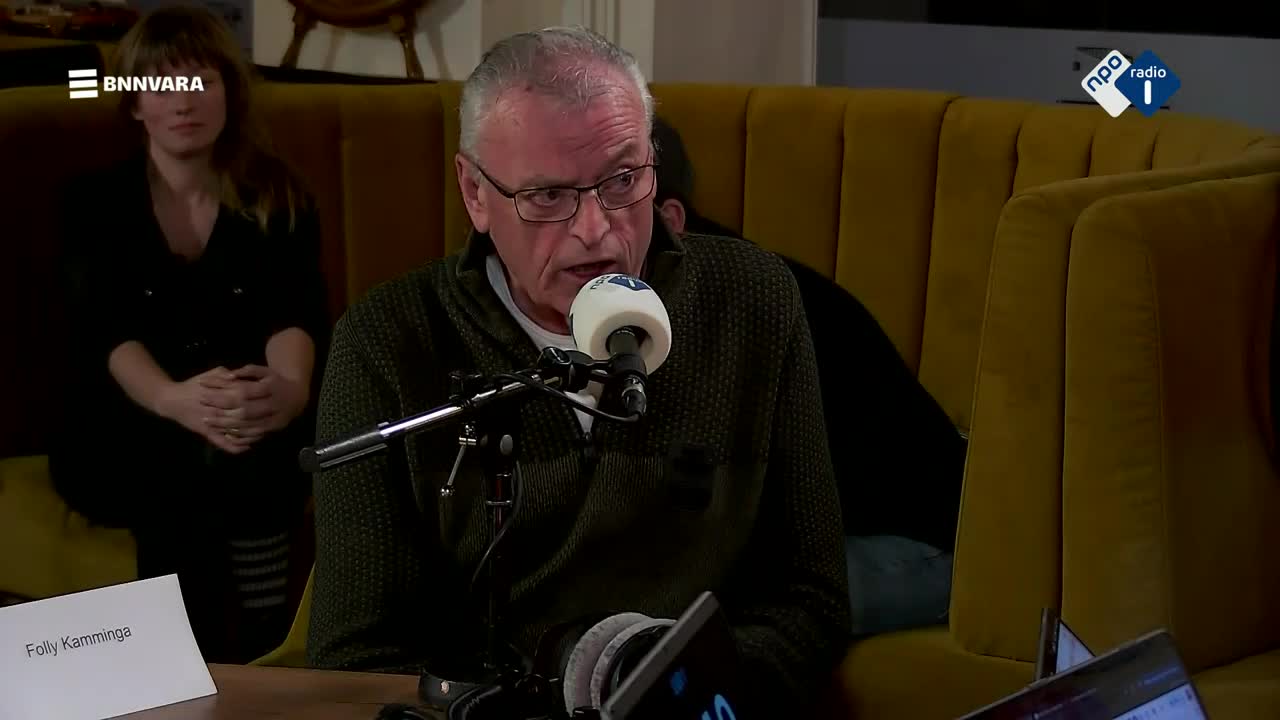
Despite the village’s disappearance, former residents Anita Mulder and Folly Kamminga continue to cherish their childhood memories of Oterdum, returning annually to the site to tend to the remaining vestiges of their community.
The story of Oterdum serves as a poignant reminder of the human cost that can accompany rapid industrial expansion and technological progress. While innovation often drives economic growth, it can also lead to the displacement of communities and the loss of cultural heritage.
In the 1960s and 1970s, the village of Oterdum was dismantled to accommodate the growth of industry. Today, little remains of the original settlement beyond a commemorative monument and the tilted, gray-toned gravestones that dot the empty dike.
Despite the passage of time and the physical disappearance of their hometown, former residents Anita Mulder and Folly Kamminga maintain a strong connection to Oterdum. Each year, they return to the site to preserve the remaining memories of the village and honor its past. Their dedication highlights the enduring power of community and the importance of remembering those places and histories lost to development.
