
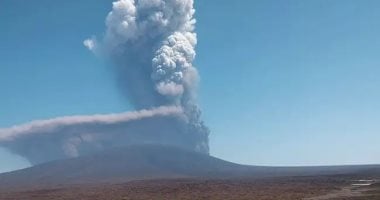
A remote Ethiopian volcano has erupted for the first time in recorded history, sending a significant ash cloud into the atmosphere Sunday morning. The Hayli Gubbi volcano, located in the volatile Afar region, had remained dormant for approximately 10,000 years, making this event a rare and closely watched geological phenomenon. Scientists are tracking the eruption’s impact, with ash plumes reaching up to 15 kilometers and drifting towards neighboring countries.
For the first time in approximately 10,000 years, the Hayli Gubbi volcano in Ethiopia has erupted, sending plumes of ash high into the atmosphere. The eruption, located within the remote and volcanically active Afar region, is drawing the attention of scientists worldwide as an unusually significant event for the area.
Massive Volcanic Eruption Sends Ash Cloud 15 Kilometers High
Table of Contents
-
Massive Volcanic Eruption Sends Ash Cloud 15 Kilometers High -
Where is Hayli Gubbi and Why Does This Eruption Matter? -
What Do Satellite Images Reveal? -
When Did the Hayli Gubbi Volcano Erupt in Ethiopia? -
Where Has the Ash Cloud From the Hayli Gubbi Eruption Traveled? -
Why is the Hayli Gubbi Eruption Significant?
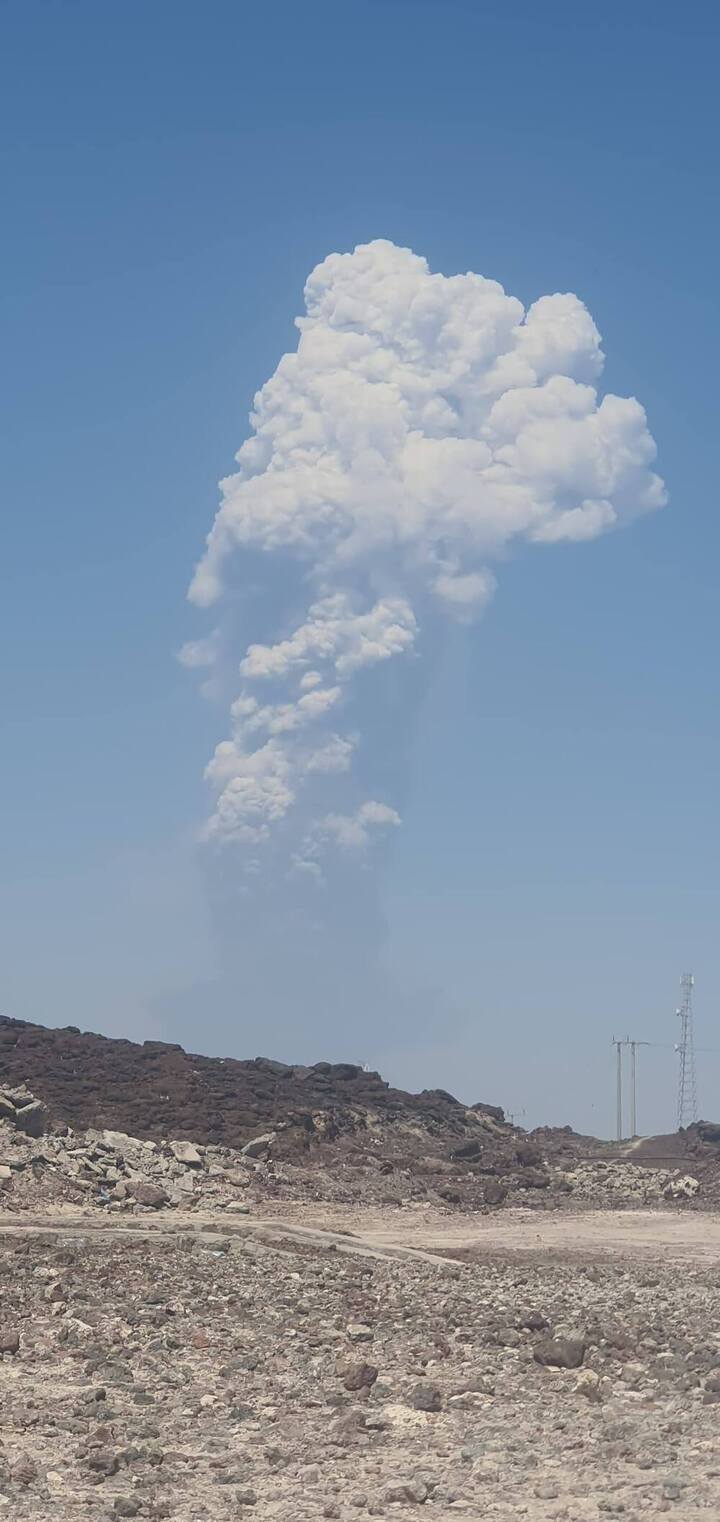
The volcanic activity began around 8:30 a.m. Greenwich Mean Time on Sunday, according to VolcanoDiscovery, citing an alert from the Toulouse Volcanic Ash Advisory Centre (VAAC). Subsequent satellite data confirmed the presence of a substantial ash cloud reaching an estimated altitude of 10-15 kilometers.
Ethiopia is reporting what scientists say is its first confirmed volcanic eruption in thousands of years after the Hayli Gubbi volcano in the remote Afar region burst to life. Researchers say this marks the volcano’s first recorded activity and likely its first eruption in many… pic.twitter.com/rzhMDttAfu
— Open Source Intel (@Osint613) November 24, 2025
Where is Hayli Gubbi and Why Does This Eruption Matter?
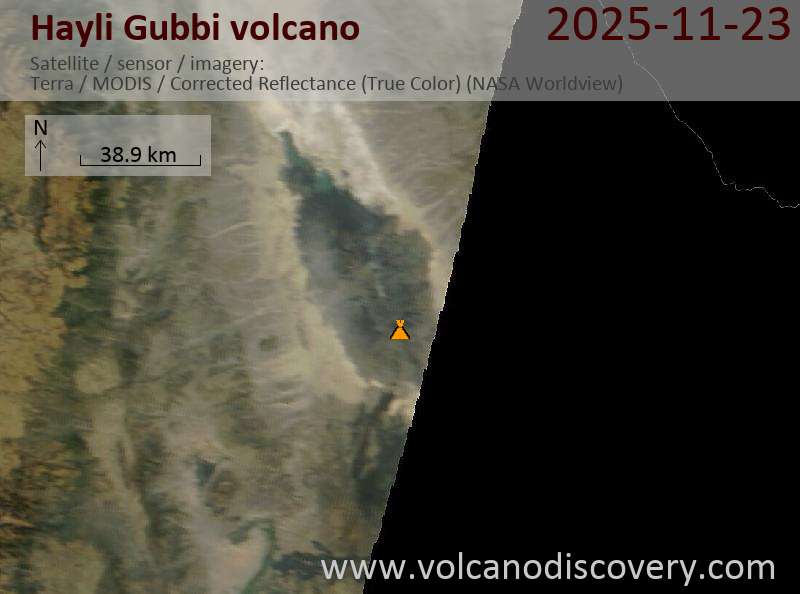
The Hayli Gubbi volcano is situated approximately 15 kilometers southeast of Erta Ale, one of the world’s most active volcanoes, known for its persistent lava lake. It lies within the Ethiopian Danakil Depression, a region renowned for its extreme heat and remoteness. Unlike its well-known neighbor, no historical volcanic eruptions have been recorded at Hayli Gubbi. The eruption is considered highly unusual given the volcano’s long period of inactivity, the scarcity of geological studies in the region, and the challenging conditions for research.
What Do Satellite Images Reveal?
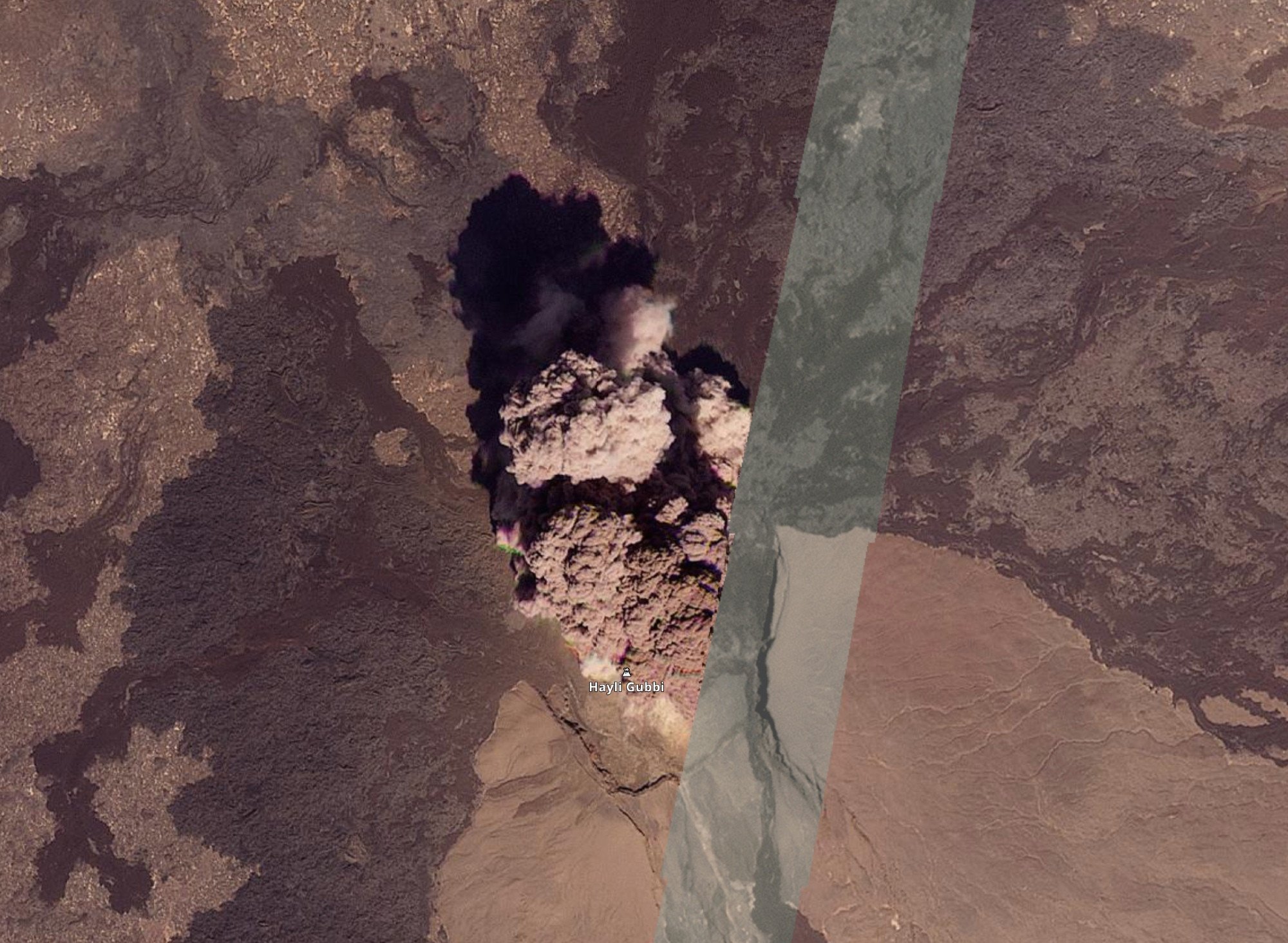
Satellite monitoring is not only showing the towering ash plumes but also a significant emission of sulfur dioxide (SO₂), a common indicator of substantial volcanic activity. Due to the remote and sparsely populated nature of the area, satellite data remains the primary source of information for scientists monitoring the eruption.
When Did the Hayli Gubbi Volcano Erupt in Ethiopia?
The Hayli Gubbi volcano erupted on Sunday at approximately 8:30 a.m. GMT, marking its first known eruption in nearly 10,000 years, according to advisory data from the Toulouse Centre for Space and Astronomical Studies and satellite monitoring.
Where Has the Ash Cloud From the Hayli Gubbi Eruption Traveled?
The eruption sent a massive ash cloud rising 10-15 kilometers into the air, drifting across the Red Sea towards parts of southwestern Arabia, including areas in Oman and Yemen.
Why is the Hayli Gubbi Eruption Significant?
The significance of this event lies in the fact that no volcanic activity has been recorded at Hayli Gubbi in modern history, and it may have been dormant for thousands of years. Its sudden emergence in a remote and poorly studied volcanic region has sparked global scientific interest. The eruption underscores the dynamic geological processes still shaping the East African Rift Valley.
بركان اثيوبيا
بركان
ثوران البركان
صورة البركان
