

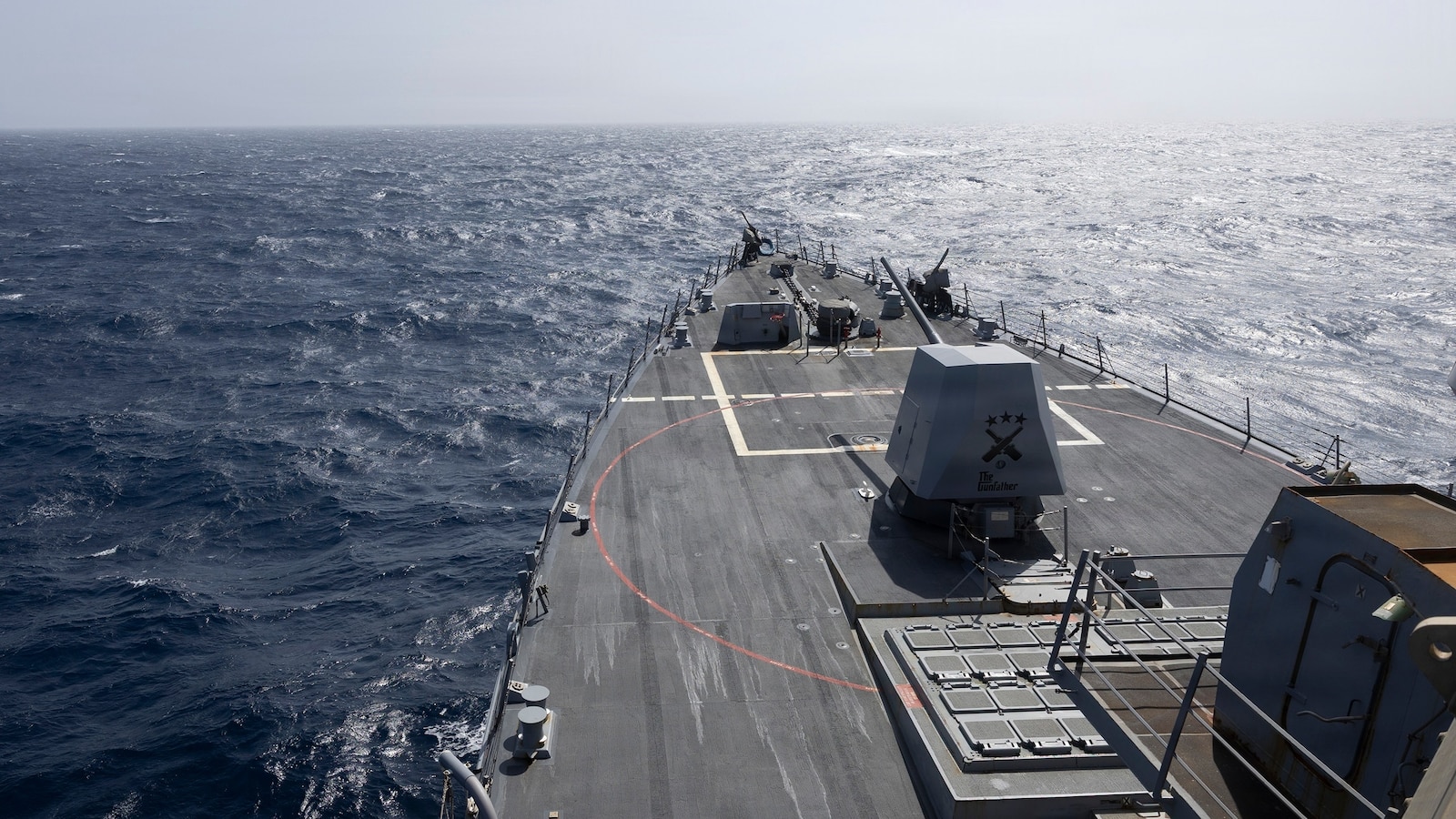
U.S. officials confirmed on June 19, 2026, that the naval blockade against Iran has been lifted, as an initial agreement to end the war inches toward formal signing, according to AP. The deal, signed electronically on June 15, aims to extend a ceasefire and reopen the Strait of Hormuz, a critical oil and gas transit route.
Deal Details and Regional Tensions
The agreement, reported by AP, includes a 60-day window for Iran to address its stockpile of highly enriched uranium, a key concern for the U.S. and Israel. However, the deal does not involve Israel, which continues its military operations in Lebanon against Hezbollah. Israeli Prime Minister Benjamin Netanyahu stated the country would remain in seized territory “as long as necessary,” AP reported.
The Strait of Hormuz, blocked during the conflict, remains closed until the deal is signed. Its reopening is critical for global energy markets, though experts caution it may not immediately resolve the energy crisis caused by the war’s disruption, AP noted.
Trump’s Unconditional Surrender Claim
Former President Donald Trump, in a pre-taped interview with Axios, described the deal as “probably unconditional surrender” for Iran, ABC reported. When questioned about the agreement’s alignment with the war’s original goals, Trump replied, “Well, really, it probably is unconditional surrender.”
For more on this story, see Iran’s Oil Tankers Break Through US Blockade..
Trump also claimed, “There are no limits” to his power during the conflict, asserting that the U.S. “defeated them totally militarily.” His comments, released by Axios, highlight the contentious legacy of his administration’s approach to the war, ABC noted.
JD Vance’s Defense of the Agreement
U.S. Vice President JD Vance defended the deal on June 19, 2026, as a 60-day negotiating period between Washington and Tehran began, Al Jazeera reported. The agreement, however, faces skepticism over its long-term viability, given ongoing regional conflicts and unresolved nuclear concerns.
Iran’s deputy foreign minister, Kazem Gharibabadi, stated the country would not implement the deal until its formal signing, AP reported. This delay underscores the fragile nature of the pact, which is set for a ceremonial signing in Geneva on June 23.
What Comes Next?
The deal’s success hinges on several factors: Iran’s compliance with the 60-day nuclear review, Israel’s continued military actions in Lebanon, and the U.S. enforcement of the agreement. Analysts note that the 2015 nuclear deal, which Trump abandoned, took years to negotiate, AP pointed out.
This follows our earlier report, Trump-Iran Deal Opens Strait of Hormuz, Sets 60-Day Nuclear Negotiation Window.
Regional stability remains uncertain. Israel’s refusal to withdraw from Lebanon and Iran’s nuclear stockpile could derail the agreement, AP reported. Meanwhile, the lifting of the naval blockade has already spurred oil price fluctuations, with Brent crude dropping 3% on June 19, AP noted.
The agreement’s fate will test the diplomatic resolve of all parties involved. As one analyst told AP, “This isn’t a peace treaty—it’s a pause. The real challenges begin after the signing.”
Find more reporting in our World section.
