
Valeria Pedretti and Flaminia Rossi, two patients under the care of the Papa Giovanni XXIII Hospital in bergamo, Italy, are rewriting the narrative around end-stage heart failure. For nearly a decade, both women have thrived with a Ventricular Assist Device (VAD)-an artificial heart-after being deemed ineligible for traditional transplants. Their cases represent not only a testament to advancements in mechanical circulatory support, but also a growing shift toward VADs as a long-term, life-sustaining solution for patients previously facing limited options.
Valeria Pedretti and Flaminia Rossi are currently the two longest-living patients sustained by an artificial heart, under the care of the Papa Giovanni XXIII Hospital in Bergamo, and likely among the longest-living in the world. This case highlights the advancements in mechanical circulatory support and offers hope for patients ineligible for traditional heart transplants.
An Artificial Heart for a Nearly Normal Life
Table of Contents
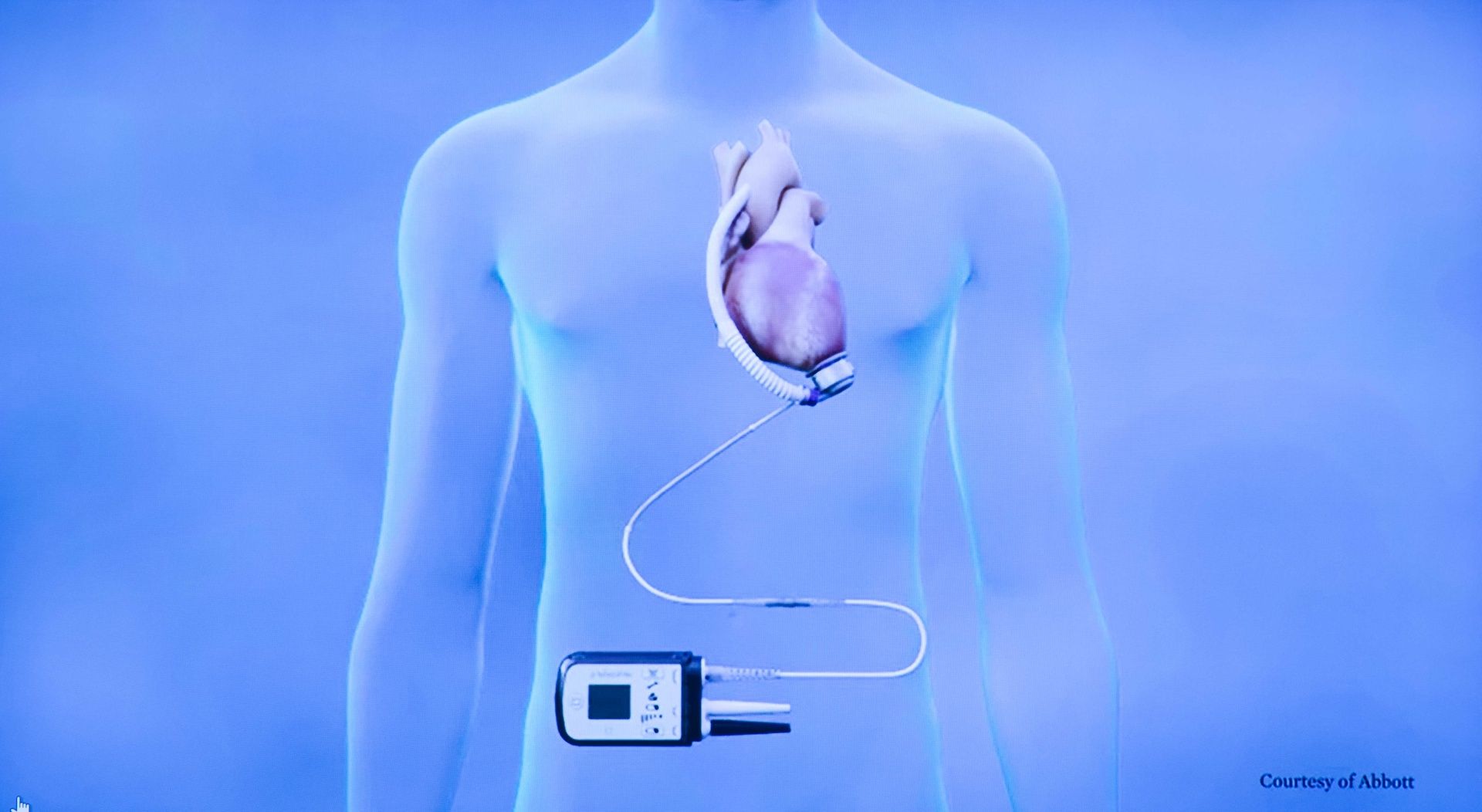
In 2015, neither Valeria nor Flaminia qualified for a heart transplant due to their advanced age. For them, the only viable option was a Ventricular Assist Device (VAD), an artificial heart that supports the function of the left ventricle, compensating for the diminished performance of their own hearts with minimal bulk.
The VAD consists of a pump implanted in the chest, controlled by a small computer (controller), and powered by two batteries connected by a cable that exits the abdomen. This system functions as a “lifesaving backpack” that the patients can wear or carry in a bag, allowing them to maintain a good quality of life, including travel and daily activities.
Advances in Technology and the Ongoing Challenge of Research
Amedeo Terzi, head of the Heart Transplant Center at Papa Giovanni XXIII Hospital, emphasized that Valeria and Flaminia’s stories demonstrate how a VAD isn’t solely a “bridge” to transplant, but a definitive solution for those who cannot be placed on the waiting list due to age or other health conditions. Both women lead active lives and continue to engage in everyday activities, such as caring for others and traveling.
Professor Michele Senni, director of the Cardiovascular Department at Asst Papa Giovanni XXIII, highlighted the technological improvements in the field of mechanical devices. Today’s VADs are smaller and more efficient, but research continues to focus on eliminating the cable connecting the device to the controller and improving the biocompatibility of the system.
An Ongoing Challenge: The Future of the Artificial Heart
Despite these advancements, cardiologist Attilio Iacovoni explained that replacing both ventricles remains a complex challenge. Currently, heart transplantation remains essential for some patients. However, the two women have avoided the most common VAD complications, such as stroke and malfunctions, thanks to the diligent care provided by the Bergamo medical team.
The patients with the longest-lasting artificial hearts in our history will share their lives, which have depended on a ‘backpack’ for 10 years.
(Photo by
Yuri Colleoni)
Alessandro Amorosi, the general director of Asst Papa Giovanni XXIII, added that each patient receives personalized treatment, with the goal of improving their quality of life. Advanced technology, combined with a human and attentive approach, now enables increasingly effective solutions.
A Message of Hope for the Community
Each year, the Papa Giovanni XXIII Hospital implants between 10 and 12 VADs in patients with end-stage heart failure, as an alternative to transplantation or as a definitive solution for those who are ineligible. Francesco Locati, the general director of Asst, emphasized that the hospital’s cardiovascular department represents an excellence in the national landscape, capable of responding to a wide range of cardiac needs, from newborns to the elderly. This demonstrates the hospital’s commitment to providing comprehensive cardiac care.
Valeria and Flaminia, through their extraordinary experience, exemplify the synergy between technological innovation and medical expertise, transforming a condition of fragility into a new opportunity for life. As Marcella Messina, councilor for social policies and health, noted, these stories are a message of hope for the community: “Valeria and Flaminia’s ‘backpack’ is a symbol of a public healthcare system that supports and restores the future. It is the strength of life that overcomes even the darkest night.”
A Symbol of Hope and Resilience
Finally, Monsignor Giulio Dellavite, spokesperson for the Diocese of Bergamo, compared the strength of these two women to the journey of hope of the pilgrim, a symbol of the Jubilee. He stated: “The stories of Valeria and Flaminia deliver a ‘backpack of hope’ to us, teaching us that hope is not only optimism, but the strength to face daily difficulties, as they and the healthcare staff teach us.”
This is the story of two women who, despite the limitations of their illness and the difficulties they face, continue to live with passion and dedication. An example of resilience and how medicine can restore a new opportunity for life.
