
Slovakia’s housing market is facing a deepening crisis, with affordability reaching new lows in 2025. Surging property prices – up as much as 15% in some areas – are outpacing wage growth adn leaving homeownership increasingly out of reach for many, according to a new report. The combination of limited housing stock, rising demand, and economic uncertainties is creating a challenging landscape for prospective buyers and renters alike.
Slovakia’s housing market continues to present challenges for prospective homebuyers, with conditions worsening significantly in 2025. According to reports, the affordability of housing has become even more critical than in the previous year, as property prices have risen at a rapid pace – in some areas, by as much as 10 to 15 percent, as reported by Správy STVR. This surge in prices is outpacing wage growth, further widening the gap between income levels and the cost of homeownership.
The limited supply of properties on the market, coupled with a sharp increase in demand in major cities, has exacerbated the situation. This dynamic is particularly noticeable in regional hubs like Košice, where the return of investors and the arrival of major employers are driving up competition, according to Róberta Mecková of FinGO reCloud.
Those Who Hesitate Will Pay More
The most significant price increases have been observed in two- and three-room apartments in regional capitals, which remain the most sought-after properties. New constructions and apartments in good condition or those that have been fully renovated – ready for immediate occupancy – have seen the fastest price growth. The market is also seeing a resurgence of interest from investment buyers, who view apartments as a hedge against inflation.
Despite this trend, some development projects remain on hold due to high initial costs and overall economic uncertainty. This limited construction activity is contributing to the ongoing supply shortage.
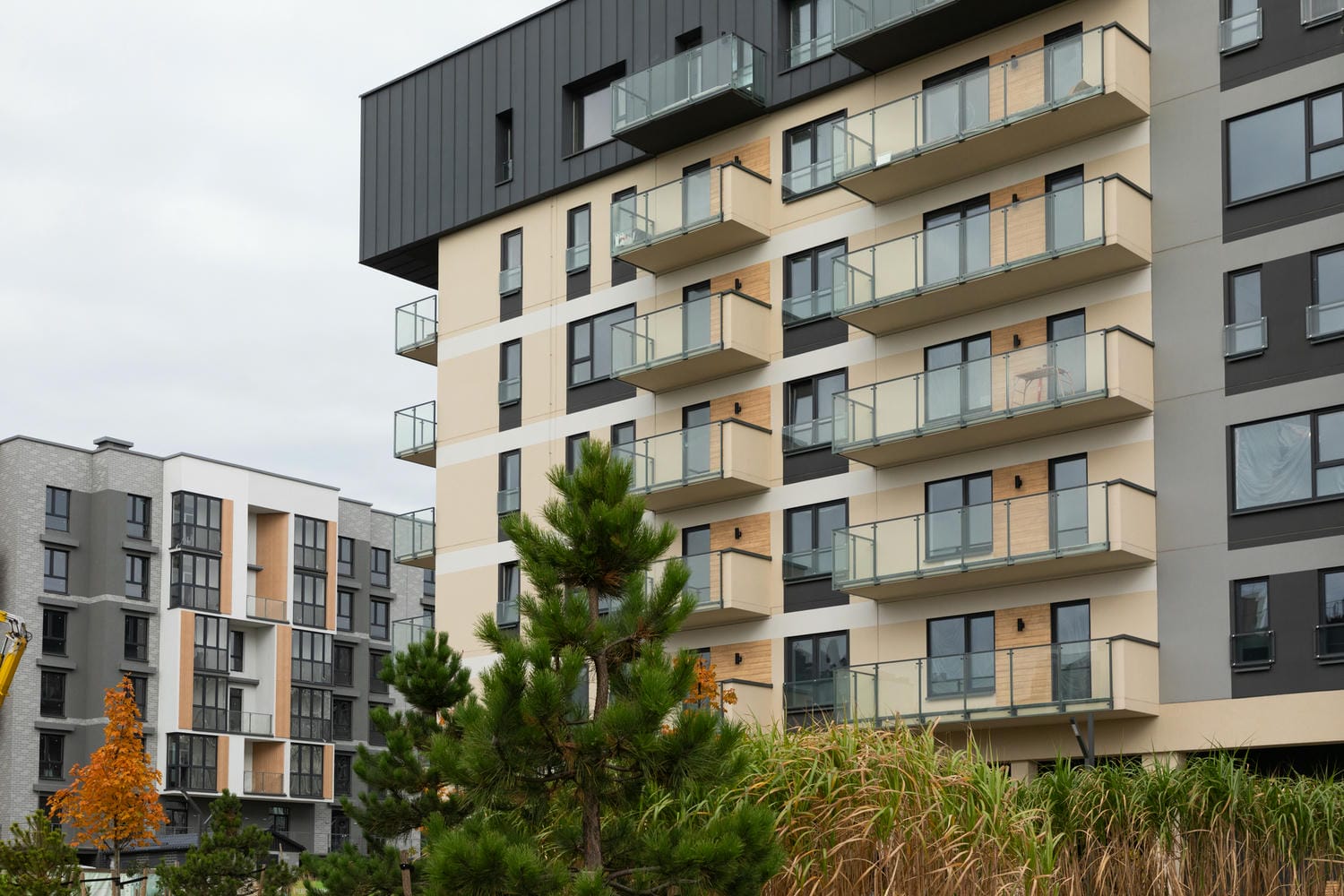
Young People Face the Biggest Challenges
Housing affordability reached a new low in 2025, making homeownership increasingly unattainable for the average person. While mortgage rates have seen a slight decrease, they remain substantially higher than pre-increase levels, significantly increasing monthly payments. This trend is disproportionately impacting younger generations. The situation reflects broader concerns about wealth inequality and access to essential assets.
For those who struggled to purchase property in 2023 or 2024, the reality in 2025 is even more challenging. Compounding the issue is the extremely low level of new construction. The number of approved and ongoing projects has fallen to its lowest point in the last decade. Developers are proceeding cautiously, delaying projects due to expensive credit and high construction costs, with some plans postponed indefinitely or canceled before groundbreaking.
Rental Costs Continue to Climb
The inaccessibility of homeownership is directly impacting the rental market, with prices rising across Slovakia. In cities like Košice, Prešov, Poprad, and Žilina, rents have increased by 10 to 15 percent. Demand for rentals, particularly for one- and two-room apartments, is being driven by workers and students moving to cities, as well as individuals who simply cannot afford to buy. However, the supply of rental properties remains limited, as investors often prefer sales and state-provided housing is virtually nonexistent.
Little improvement is expected in 2026. Prices are forecast to continue rising, albeit at a slower pace than in 2025. Properties in desirable locations could see price increases of 3 to 6 percent, while new constructions – of which there is a shortage – could rise by 5 to 8 percent. According to recent analysis, stagnation in prices is only anticipated for older properties and homes in less attractive areas. A similar scenario is expected in the rental market, with prices projected to increase by approximately 5 to 10 percent depending on the city.
