
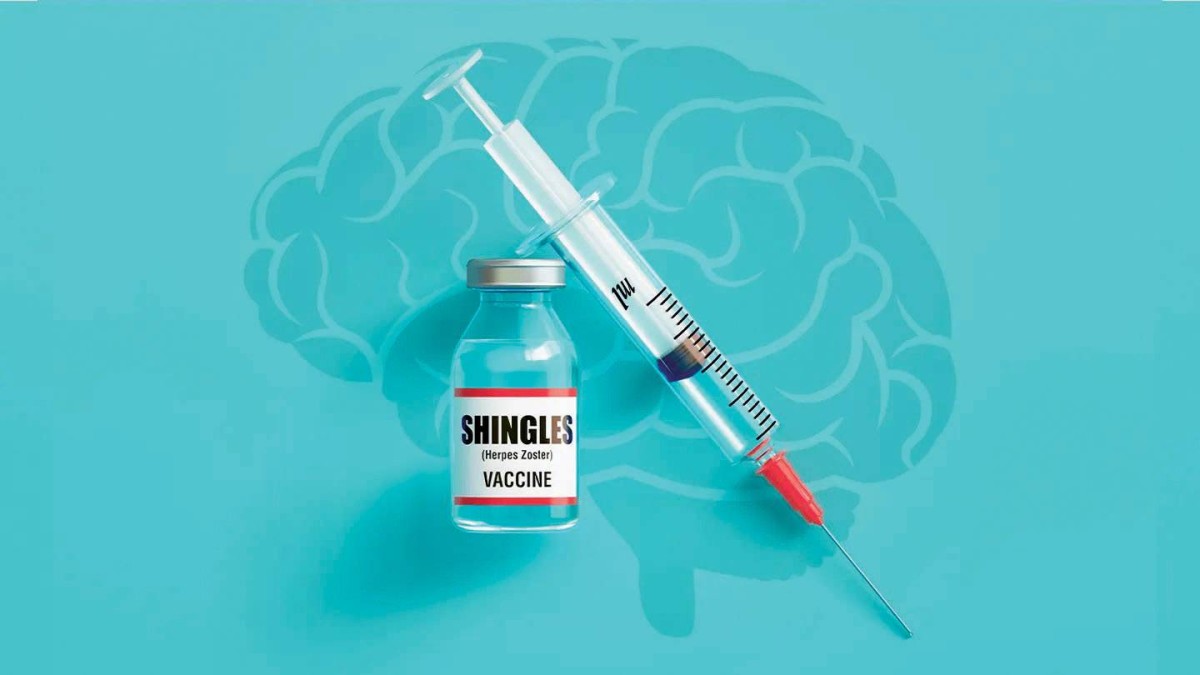
A surprising potential benefit has emerged for the shingles vaccine: emerging evidence suggests it may protect against dementia, particularly in women. Data from separate vaccination campaigns in Wales, Australia, Canada, and the United States indicate the vaccine could delay the onset of dementia, sluggish its progression, and reduce the risk of death among those diagnosed with the condition. This finding is particularly significant given the growing global burden of dementia, projected to rise from 78 million cases in 2020 to 139 million by 2050.
The vaccine, designed for adults over 50, targets the varicella-zoster virus, which causes both chickenpox and shingles. Shingles manifests as a painful skin rash and can lead to long-term complications, including hearing loss and vision impairment. Older adults and individuals with weakened immune systems are most vulnerable.
Researchers are now working to confirm a causal link between the shingles vaccine and reduced dementia risk. Pascal Geldsetzer, an assistant professor of medicine at Stanford University, is leading efforts to establish this connection through a clinical trial. “It’s incredibly exciting, because this is a one-time, low-cost intervention, not a drug you take daily or a diet and exercise regimen you adhere to for decades,” he said.
A key study, conducted in Wales, leveraged a unique policy implementation. In September 2013, Wales began offering the Zostavax shingles vaccine to individuals aged 70 to 79. This created a natural comparison group, as anyone turning 80 after that date was eligible, while those just one day older were not. Analysis of health records for over 280,000 people over the following seven years revealed that those eligible for the vaccine had a 20% lower likelihood of being diagnosed with dementia.
The findings have prompted further investigation. Eric Topol, a physician and medical blogger, recently reviewed the evidence and concluded that if the vaccine were a drug reducing Alzheimer’s risk by 20%, it would be considered a major breakthrough. A study published last month in the journal Aging even suggested a link between the vaccine and slowed biological aging.
Researchers are still exploring why women appear to benefit more than men, and whether the protective effect stems from suppressing the shingles virus itself or from a broader boost to the immune system. One theory suggests the vaccine reduces inflammation, which may predispose brain cells to excessive activity or viral reactivation. Recent research indicates that newer vaccines, like Shingrix and the RSV vaccine, may offer even greater protection, potentially due to an immune-enhancing component.
The United Kingdom recently announced plans to lower the eligibility age for the Shingrix vaccine to 60, with vaccine advisors considering potential side effects and noting a possible connection. Eric Topol recommends that individuals over 50 consider getting vaccinated.
Notably, the patent for Zostavax has expired, raising hopes that this relatively inexpensive vaccine with potentially profound implications for patients, medicine, and future dementia research will be widely accessible. The Alzheimer’s Association, in collaboration with scientists at the University of Exeter, identified Zostavax as a promising candidate for further study in November.
