
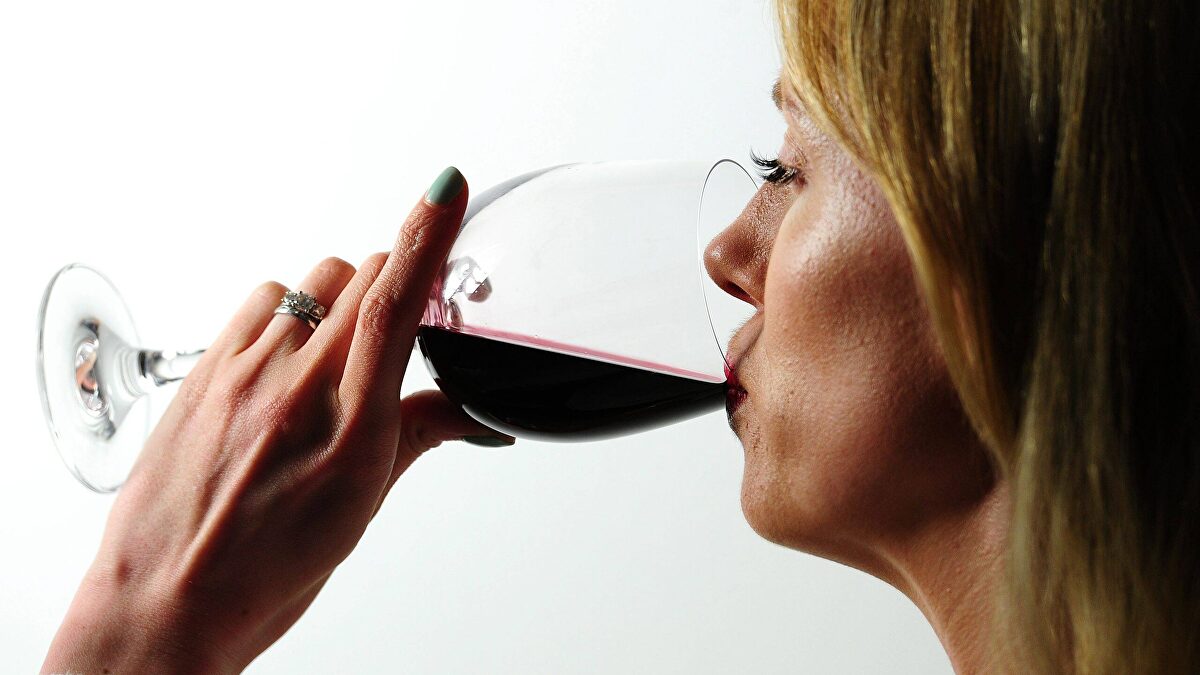
Friday night often marks a transition from a busy week to a moment of relaxation, and a drink – whether it’s beer, wine, or a cocktail – can perceive like a ritual. But while glasses clink in celebration, a less festive process is unfolding within the body: your gut microbiota begins to change.
It’s not about eliminating alcohol altogether, but understanding what happens when it interacts with the trillions of bacteria that regulate digestion, metabolism, and a significant portion of the immune system. This complex ecosystem is known as the gut microbiota.
Scientific evidence demonstrates that even a single drinking session can induce measurable alterations in the gut microbiota within just half an hour. Gastroenterologist Will Bulsiewicz, a health communicator specializing in gut health, emphasizes that the impact depends on both the quantity and frequency of alcohol consumption.
Following alcohol intake, levels of bacterial endotoxins – components of the cell wall of certain bacteria – increase, potentially triggering inflammatory responses. When the intestinal barrier weakens, these substances can pass through, leading to digestive discomfort, bloating, or changes in bowel movements. The gut microbiota is sensitive, and alcohol, by definition, is an antiseptic.
Gut Dysbiosis: An Invisible Imbalance
One of the primary effects of regular alcohol consumption is gut dysbiosis, an alteration of the balance between beneficial and potentially harmful microorganisms. Bacterial diversity – crucial for good digestive health – decreases, while species associated with inflammatory processes proliferate. Understanding the delicate balance of the gut microbiome is increasingly important for overall health.
the production of short-chain fatty acids decreases. These compounds are essential for nourishing colon cells and maintaining intestinal integrity. Without them, the intestine loses some of its protective capacity.
In cases of excessive or chronic consumption, the damage can extend beyond the digestive system. It has been linked to systemic inflammation, sleep disturbances, and even changes in mood, through the gut-brain axis.
“Leaky Gut” and the Digestive Hangover
The biggest problem with weekend alcohol consumption isn’t just the amount, but its effect on the intestinal barrier. Imagine the intestine as a border with strict controls. Alcohol relaxes the “tight junctions” that act as guards, allowing toxins and bacteria to enter the bloodstream.
This increased permeability explains why a hangover isn’t just a headache. Sensations of inflammation, heaviness, and general malaise also appear. It’s not solely dehydration; it’s an activated immune response.
Not All Drinks Impact Equally
Science also suggests nuances depending on the type of beverage. Red wine, thanks to its content of polyphenols like resveratrol, may exert a mild prebiotic effect in moderate amounts, promoting protective bacteria such as Akkermansia muciniphila. However, this potential benefit disappears when moderation is exceeded.
Combining alcohol with sugary sodas is particularly harmful. Sugar ferments quickly and promotes the growth of yeasts and opportunistic bacteria, intensifying dysbiosis. Distilled spirits, although “clean” in sugars, can be aggressive to the gastric mucosa if consumed without prior food.
Can You Drink Without Ruining Your Microbiota?
The evidence is clear: there are no proven benefits to starting to drink alcohol. But for those who choose to do so, moderation is key. An occasional drink, integrated into a diet rich in fiber and plant-based foods, has a very different impact than repeated and excessive consumption. Some simple strategies can help minimize the damage:
-
Alternate each alcoholic beverage with water to reduce dehydration.
-
Consume healthy fats and fiber before drinking to gradual absorption.
-
Prioritize fermented foods and soluble fiber the next day to support microbial recovery.
Understand to Decide Better
The growing interest in the microbiota stems from its central role in overall health. It influences digestion, the immune system, metabolism, and even emotional well-being. Research into the gut microbiome is rapidly expanding our understanding of its influence on health.
Alcohol modifies this balance quickly and can promote inflammation and digestive disorders even with sporadic consumption. However, the approach doesn’t have to be binary – all or nothing – but conscious.
Raising a glass on a Friday doesn’t condemn your gut health. But systematically ignoring the impact can take its toll. Understanding what happens after the toast restores control. The microbiota doesn’t ask for perfection. It asks for consistency. And that starts with knowing what happens when we lift our glass.
