
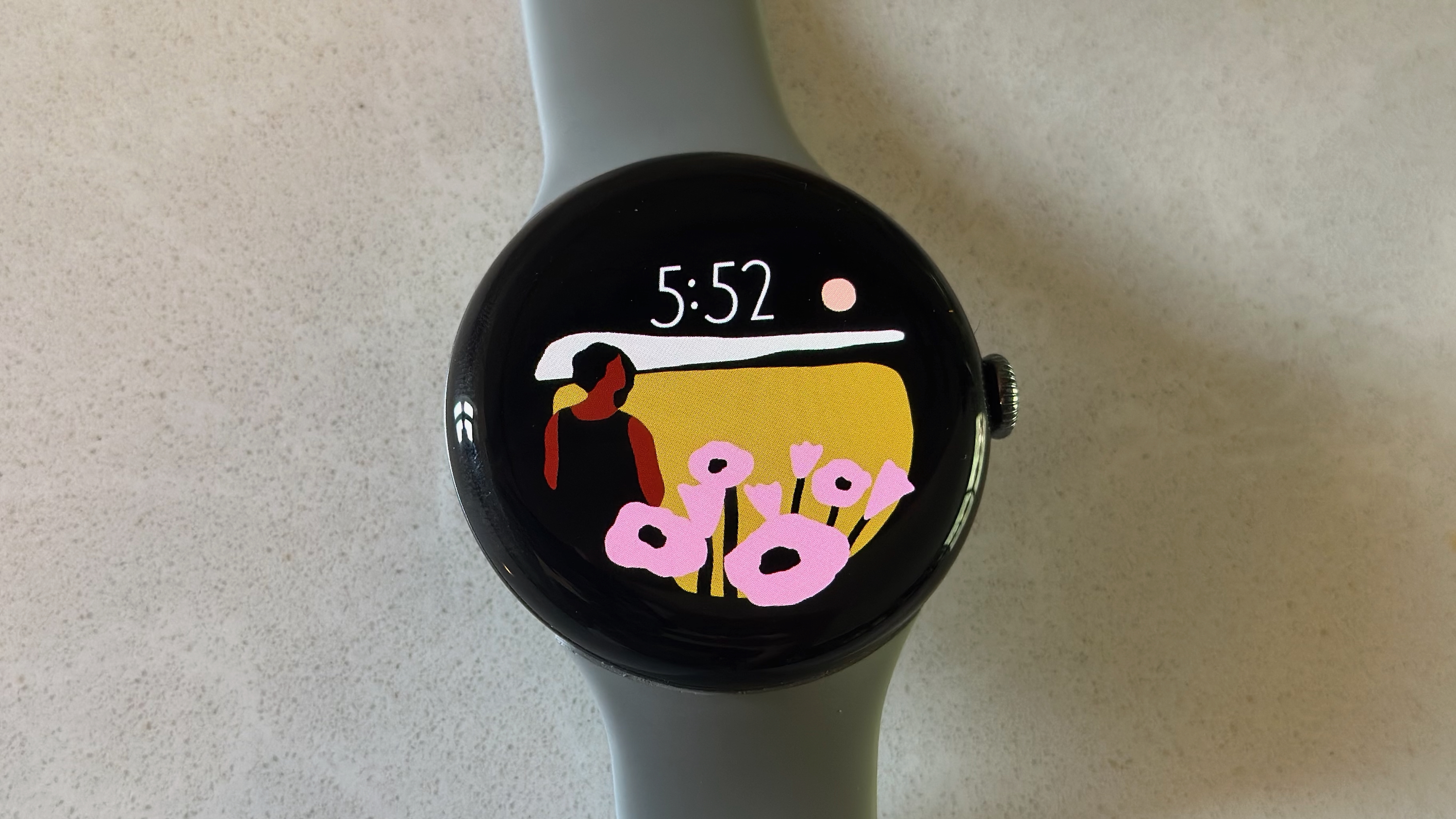
Tired of the same old smartwatch faces? Wear OS 6 is poised to revolutionize your wearable experience, bringing back third-party watch face stores for unprecedented customization. Discover how this major update to Google’s smartwatch operating system unlocks a vast universe of designs and empowers developers, paving the way for a new era of personalized Wear OS 6 devices.
“`html
Wear OS 6: A New era for Smartwatch Customization
The world of smartwatches is about to get a major upgrade. Wear OS 6, the next iteration of Google’s smartwatch operating system, promises to revolutionize how we personalize our wrist-worn devices. A key feature of this update is the reintroduction of third-party watch face stores, a move that will breathe new life into the Wear OS ecosystem. This article dives deep into what Wear OS 6 has in store, exploring the implications for users, developers, and the future of wearable technology.
The Watch Face Revolution: Facer and Beyond
one of the most exciting aspects of Wear OS 6 is the support for third-party watch face stores. Previously, apps like Facer, a popular platform for custom watch faces, were restricted on Wear OS 5. This limitation stemmed from Google’s efforts to optimize battery life and ensure a consistent user experience. However, Wear OS 6 addresses this by introducing a Watch Face Push API. This API allows third-party apps to have their own watch face slots, sitting alongside Google’s native options.
Google has partnered wiht several leading watch face app stores, including Facer, TIMEFLIK, WatchMaker, Pujie, and Recreative. These platforms will be among the first to offer their watch faces on Wear OS 6. For users, this means access to a vast library of designs, from classic analog faces to interactive, data-rich displays. For developers, it opens up new avenues for creativity and monetization.
Did you know? Facer’s library boasts over 500,000 watch faces, though the transition to the new XML Watch Face Format (WFF) has required some manual adjustments.
The Technical Underpinnings: WFF and Its Impact
The foundation of this new watch face ecosystem is the XML Watch Face Format (WFF). This format is designed to be more battery-efficient and provide a more consistent experience across different Wear OS devices. While WFF offers significant advantages, it also presents some limitations.Older animated and 3D watch faces may not be fully compatible, requiring developers to adapt their designs.
Wear OS 6 will also introduce dynamic features to WFF faces. Users can expect elements that change color based on data like temperature or UV levels. text will automatically resize to fit the available space, and watch faces will transition more smoothly between always-on and active modes. These
