
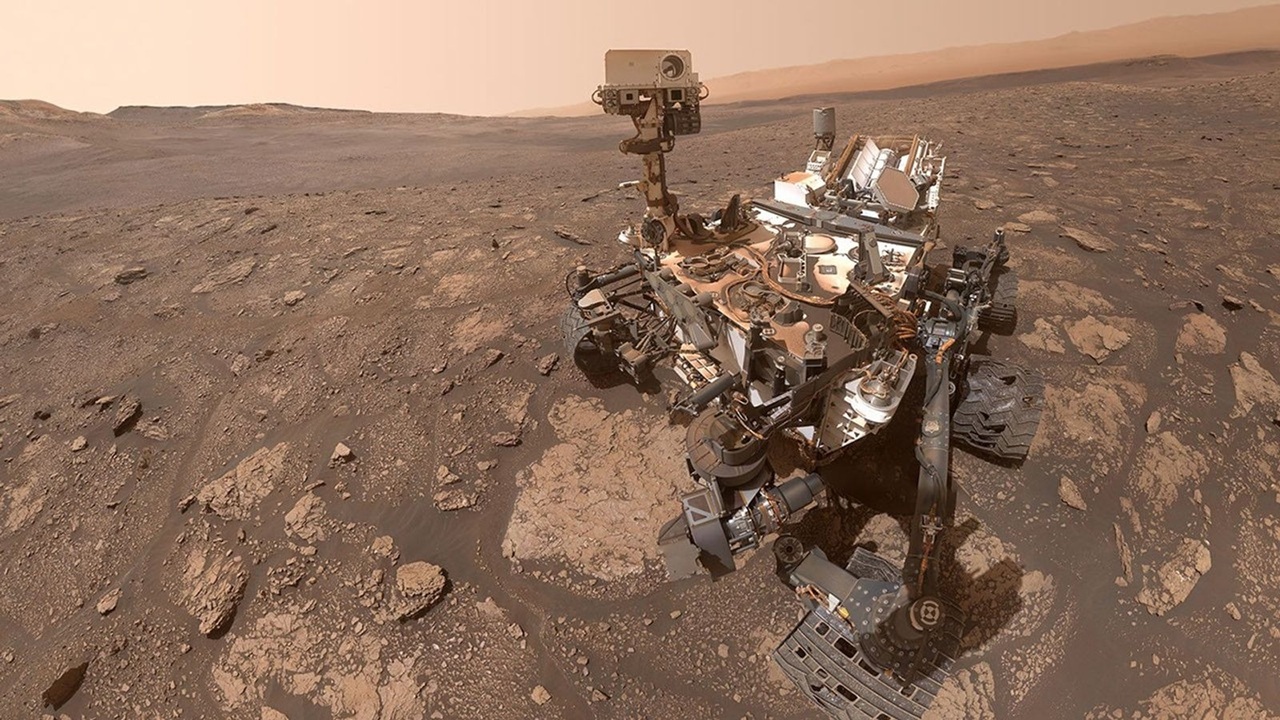
NASA’s Curiosity rover has detected more than 20 organic molecules on Mars for the first time, including compounds never before confirmed on the planet, according to a study published in Nature Communications on April 21, 2026. The discovery was made using tetramethylammonium hydroxide (TMAH), a chemical reagent that breaks down complex organic molecules in rock samples, enabling the rover’s instruments to detect substances previously too large or stable to measure. This marked the first time TMAH has been used in an extraterrestrial chemistry experiment. Curiosity’s team, led by Amy Williams, associate professor of geobiology at the University of Florida, selected the Glen Torridon region within Gale Crater for sampling due to its high concentration of clay minerals, which are known to preserve organic material. The rover has been exploring this area for over 13 years since landing on Mars in August 2012. Among the detected molecules were benzothiophene, a large sulfur-containing ring compound and a nitrogen-containing molecule structurally similar to indole—a precursor involved in DNA synthesis on Earth. Scientists noted that benzothiophene likely originated in interstellar space during the early formation of the solar system and may have been delivered to Mars via meteorites, a process also thought to have contributed to Earth’s organic inventory. While the findings support the hypothesis that Mars once had the chemical ingredients necessary for life, researchers emphasized that the current instruments cannot determine whether these molecules originated from biological or geological processes. Confirming a biological origin would require returning rock samples to Earth for advanced analysis. The team plans to investigate whether the detected organics are endogenous—produced on Mars—or exogenous, delivered by meteorites, comets, or interplanetary dust. Data from Curiosity may also be combined with observations from NASA’s Perseverance rover, which is actively searching for organic compounds using a different suite of instruments.
Curiosity Rover Finds Organic Molecules on Mars, Sparking New Clues to Ancient Life and Life’s Origins
20
