
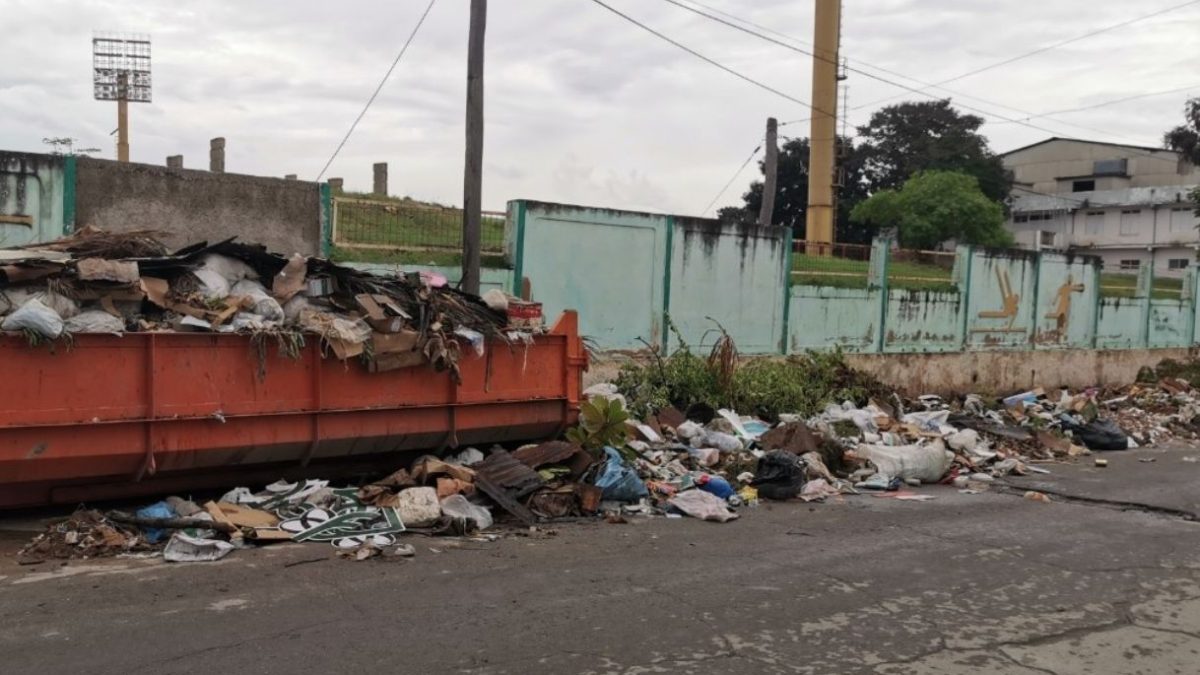
Cuba is responding to a severe energy crisis and fuel shortages by reassigning workers to essential services, including garbage collection and food production. The move, announced Wednesday, aims to retain citizens employed despite widespread disruptions.
The Cuban government announced the re-allocation of workers from interrupted jobs to essential activities such as waste management, food production and social services, in response to the country’s deepening energy crisis. The plan seeks to maintain employment levels amid limitations caused by fuel scarcity and prolonged power outages.
Minister of Labor and Social Security, Jesús Otamendiz Campos, explained during the official program Mesa Redonda that the priority is to avoid workers becoming inactive or entering a job interruption scheme.
That interruption scheme carries a significant wage reduction, with employees receiving only 60% of their salary after the first month. This financial impact is a key driver behind the government’s decision to reassign workers.
Authorities have opted to transfer workers to sectors considered strategic. These include agriculture, food production, and communal services, particularly sanitation and solid waste collection – a growing problem in several cities across the country. The accumulation of garbage in urban areas has become a visible consequence of the crisis, and this reallocation also seeks to address a public health concern.
LEA TAMBIÉN:
Empresario de Miami revela cuánto costaría reconstruir Cuba y cuánto tardaría
In addition to these tasks, the plan includes incorporating workers into social support activities, education, and care for vulnerable populations. These actions are part of a broader strategy to reorganize the state workforce in the face of declining productivity in fuel-dependent sectors.
The energy crisis in Cuba has directly impacted employment, forcing modifications to traditional perform dynamics. Companies and workplaces have reduced or suspended operations, creating a need to redistribute workers to areas where labor demand is most urgent. “The priority number one is the re-location of labor. Not the interruption,” affirmed Otamendiz Campos.
The government also indicated it would prioritize alternatives like telecommuting and adjusted work schedules where feasible, but acknowledged these options aren’t viable in many cases. The move underscores the severity of the economic challenges facing the island nation.
