

Israel Eyes Turkey as New Strategic Rival Amid Escalating Regional Conflict
Israel is increasingly viewing Turkey as a primary strategic threat, with some political leaders suggesting that Ankara is effectively replacing Iran as the nation’s chief regional adversary. This shift in geopolitical focus comes as tensions surge across West Asia following a series of high-stakes military engagements.
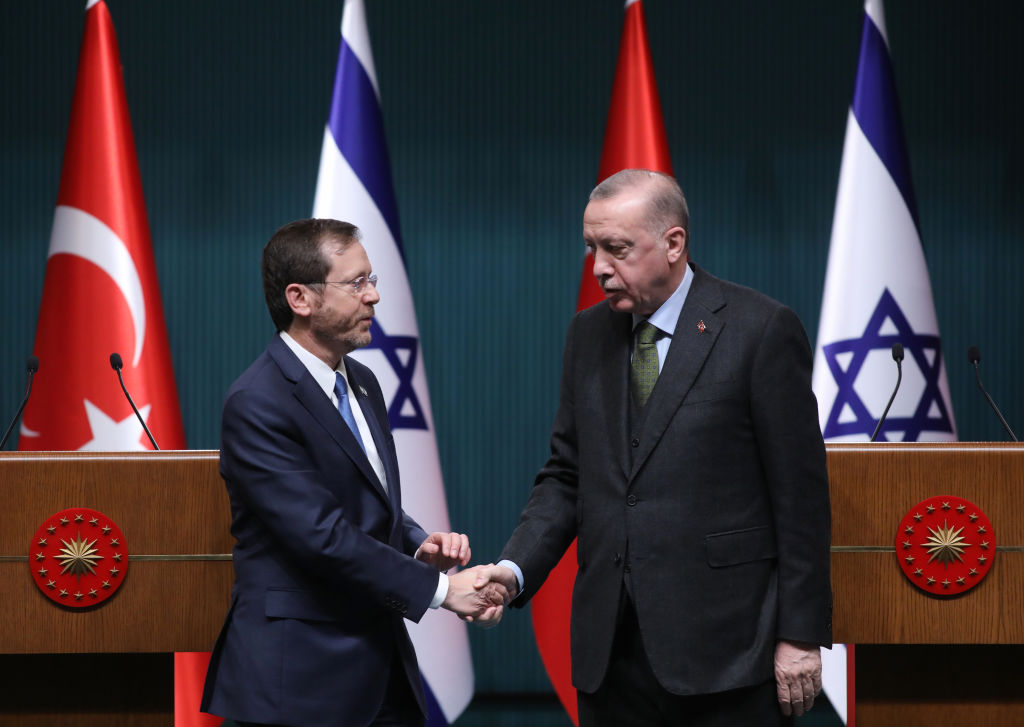
Former Israeli Prime Minister Naftali Bennett, who is expected to be a prominent figure in upcoming elections, recently warned that Israel must not ignore the emerging “Turkish threat.” Bennett asserted that Turkey, supported by Qatar, is becoming part of a regional axis similar to the one led by Iran, suggesting that Israel must simultaneously counter hostility from both Tehran and Ankara. This sentiment reflects a broader trend among Israeli politicians who see Israel targeting Turkey as a new enemy as the Iranian influence potentially wanes or shifts.
The diplomatic deterioration coincides with a violent escalation between Israel, the United States and Iran. Military strikes launched by the U.S. And Israel against Iran began on February 28, 2026, resulting in the death of Iranian Supreme Leader Ayatollah Ali Khamenei. Turkish President Recep Tayyip Erdogan condemned the operation as a “clear violation of international law,” expressing deep sadness over Khamenei’s death and arguing that the war was triggered by Israeli provocations. Despite the tension, Erdogan has urged both the U.S. And Iran to bring the conflict to a swift end.
The rivalry has also manifested in sharp rhetorical exchanges. Ankara has gone as far as describing Prime Minister Benjamin Netanyahu as the “Hitler of this era,” a claim that prompted a swift response from the Israeli government. The Israeli regime reacted strongly to these comparisons as relations between the two nations continue to spiral.
Turkish Foreign Minister Hakan Fidan has attempted to position Turkey as a mediator to facilitate de-escalation and a return to negotiations. However, Fidan has also sounded an alarm, suggesting that Turkey could be Israel’s next target for war. Ankara has called on the international community to remain vigilant against potential Israeli sabotage during ceasefire efforts.
The volatility of the region reached a critical point on March 5, 2026, when a ballistic missile fired from Iran toward Turkish airspace was intercepted and destroyed by NATO air and missile defense systems. While no casualties were reported, the incident marked the first time Turkey, a NATO member, was directly drawn into the active conflict.
These developments underscore a dangerous shift in regional dynamics. As Turkey strengthens ties with other regional powers like Saudi Arabia and Egypt, and remains a vocal critic of Israel’s military actions in Gaza, the risk of a broader confrontation involving a NATO ally grows. The transition of Israel’s strategic focus toward Turkey suggests a new era of instability in West Asian diplomacy.
