
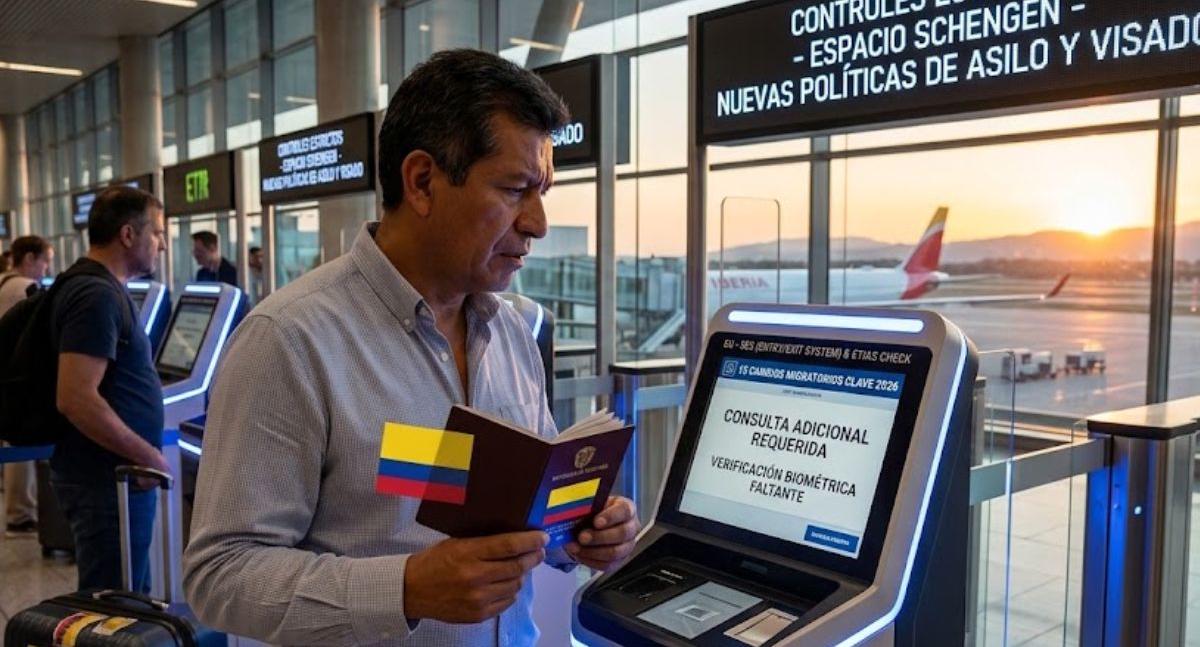
EU Border Chaos: Biometric System Failures and Stricter Entry Rules Hit International Travelers
The European Union’s transition to a digitized border management system has been marred by severe technical failures, leaving travelers stranded and signaling a significant hardening of entry policies for non-EU nationals. The rollout of the modern Entry/Exit System (EES), designed to replace traditional passport stamping with biometric data, has instead triggered widespread disorder at border checkpoints.
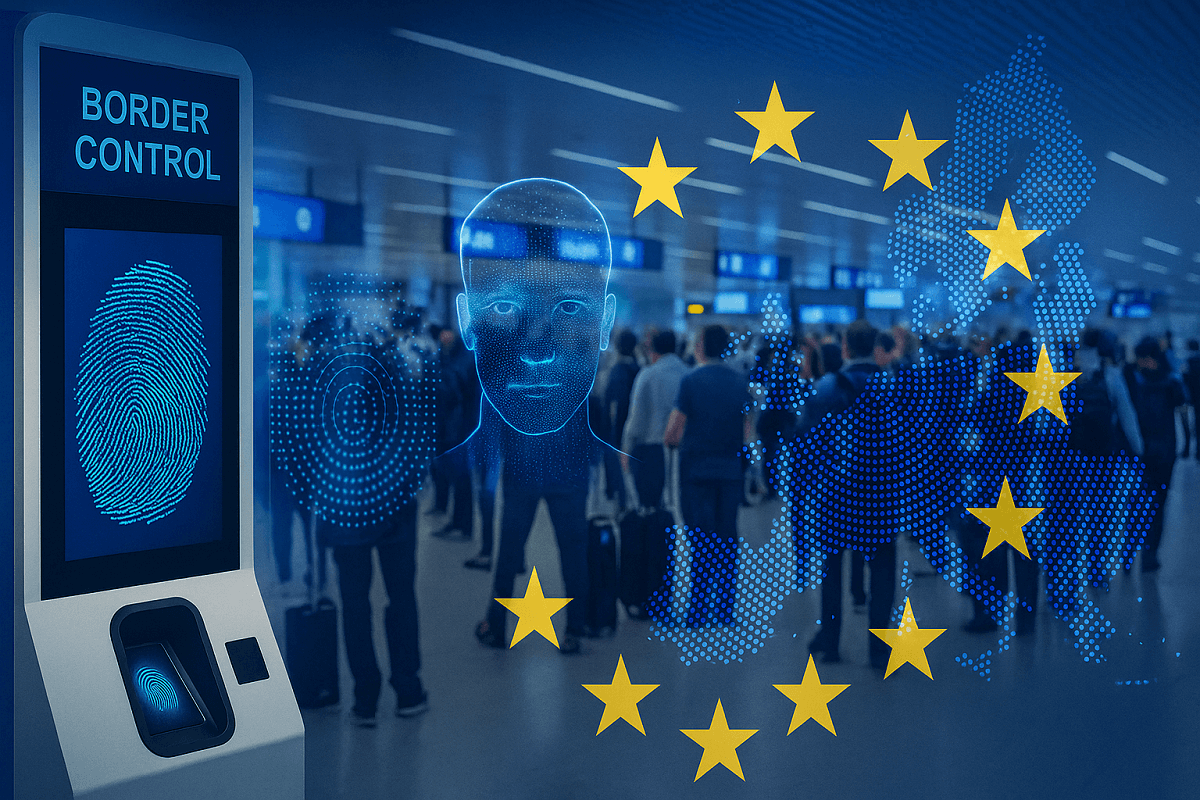
The shift from manual passport controls to a biometric system was intended to streamline arrivals. However, early reports indicate a systemic failure that has sparked chaos across the bloc’s external borders, creating massive bottlenecks for those attempting to enter the region.
This technical instability arrives amid a broader crackdown on immigration and travel requirements. Colombian citizens, in particular, are facing a significantly more difficult entry process. The EU has implemented roughly 15 policy changes that impact those traveling for tourism, business, or migration. These measures include stricter visa protocols and mandatory biometric fingerprinting, adding layers of bureaucracy and stress to the travel experience.
The implications of the EES rollout extend beyond individual passengers. The logistics sector has also felt the effects of these new regulations, as the change in border processing alters the efficiency of movement for goods and personnel across the continent.
The current instability underscores the challenges the European Union faces in balancing heightened security and migration control with the practicalities of international transit. As the bloc moves toward a more fortified and automated border, the initial failures of the EES highlight the risks of systemic dependency on biometric infrastructure.
