
China Proposes Four-Point Peace Plan Amid Hormuz Blockade and Looming US-Iran Talks
Beijing has introduced a four-point peace plan aimed at stabilizing the Gulf region, a move that comes as international tensions peak over a U.S. Blockade of the Strait of Hormuz. The proposal arrives at a critical diplomatic juncture, with latest talks between the United States and Iran scheduled for the week of April 14, 2026.
The timing of China’s diplomatic intervention suggests a strategic attempt to mediate a conflict that has significant global economic implications. Sources indicate that the necessary components for a diplomatic agreement between Washington and Tehran are currently in place, providing a potential window for de-escalation.
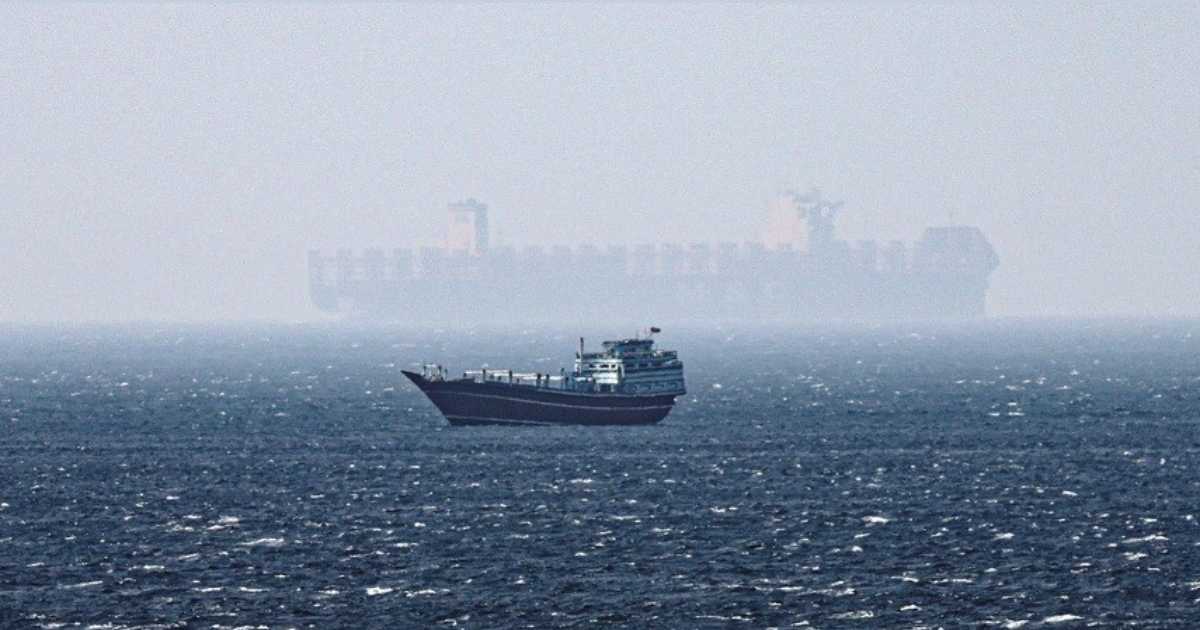
However, the situation on the water remains volatile. A tanker recently forced its way through the U.S. Blockade of the Strait of Hormuz, an incident that underscores the fragility of the current standoff. This blockade is increasingly viewed not just as a bilateral dispute between the U.S. And Iran, but as a direct test of China’s restraint and its influence in the region.
While Beijing positions itself as a proponent of peace through its four-point framework, U.S. Intelligence reveals a more complex military involvement. Reports indicate that China plans to deliver air defense systems to Iran in the coming weeks, a development that adds a layer of military tension to the diplomatic efforts.
The duality of China’s approach—offering a peace plan while providing advanced military hardware—highlights the high stakes of the current geopolitical struggle. The outcome of this week’s talks and China’s subsequent actions will likely determine whether the region moves toward a negotiated settlement or deeper conflict.
This development underscores growing regional tensions and the intricate balance of power in the Gulf, where energy security and military posturing continue to clash with diplomatic aspirations.
