
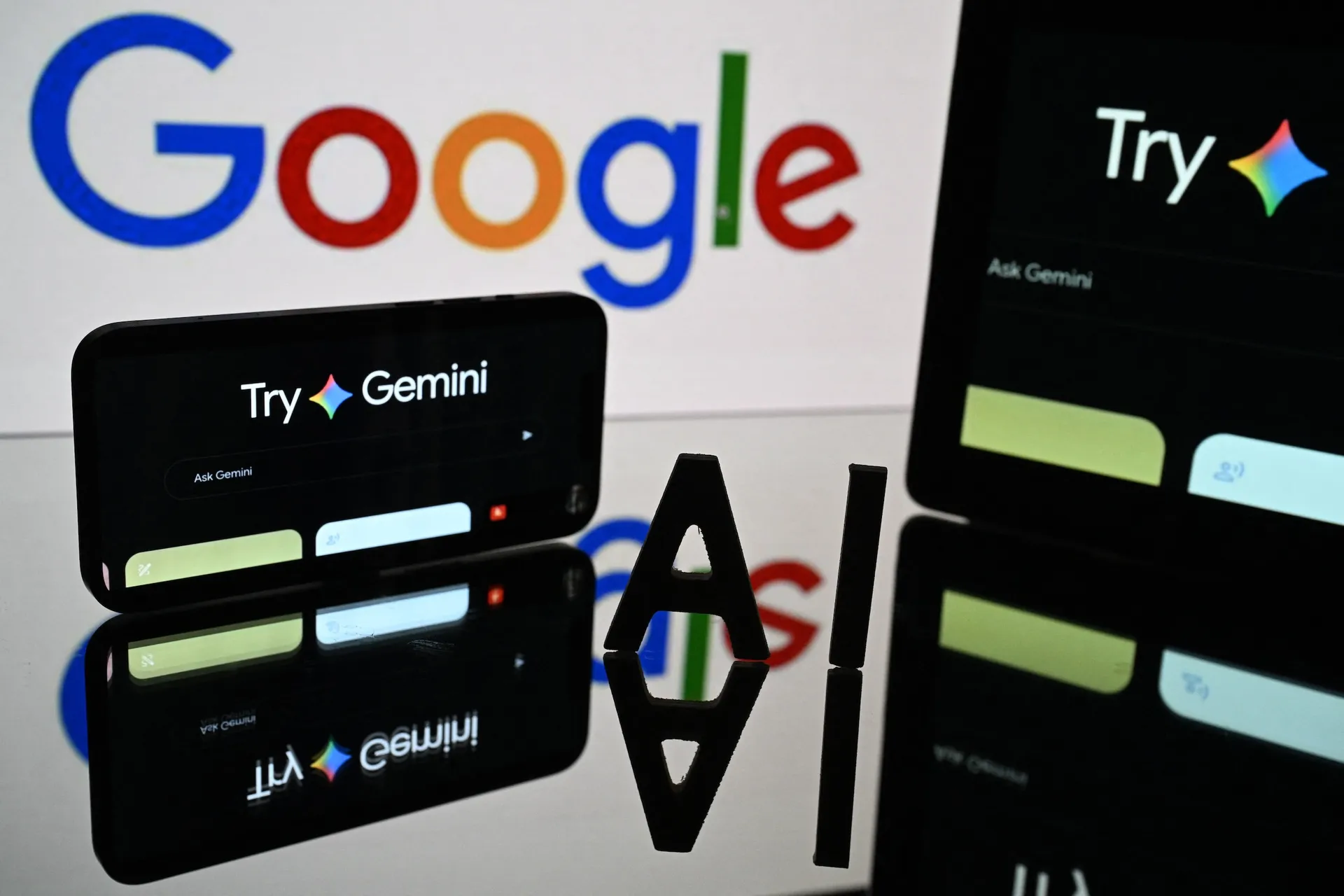
Google’s Gemini AI faces growing scrutiny in Europe over its use of personal photos to generate images, as regulators push back on privacy concerns tied to the tool’s expanding capabilities in the United States. The controversy centers on Gemini’s ability to create new images based on users’ personal photo libraries—a feature now available in the U.S. That has drawn criticism from European data protection authorities. According to reports, the AI model can analyze and reinterpret personal photos to generate novel visual content, raising questions about consent, data usage, and compliance with strict EU privacy laws such as the General Data Protection Regulation (GDPR). While Google has not disclosed specific details about how the feature operates or what safeguards are in place, the company confirmed that the image generation functionality relies on user-uploaded photos as input. This has prompted regulatory bodies in several European countries to examine whether the practice violates users’ rights under GDPR, particularly regarding purpose limitation and data minimization principles. In addition to image generation, Gemini has similarly been updated to better understand and execute user commands, with improvements noted in its ability to process complex instructions. Separately, reports indicate that the AI can now access and read users’ emails and view personal photos—functions that, if confirmed, would significantly expand the scope of data the model can interact with. Google has not publicly detailed the exact mechanisms behind these capabilities or outlined how user data is stored, processed, or retained during AI interactions. The lack of transparency has intensified calls for clearer disclosures and stronger oversight, especially as AI tools grow more deeply integrated into consumer products. The developments come amid broader regulatory efforts in Europe to govern the deployment of generative AI systems, with authorities emphasizing the need for accountability, transparency, and user control over personal data. As Gemini continues to evolve, its compliance with international privacy standards remains a focal point for both regulators and users concerned about digital rights in the age of artificial intelligence.
Google Gemini AI: User Photo Integration and Privacy Concerns
12

previous post