
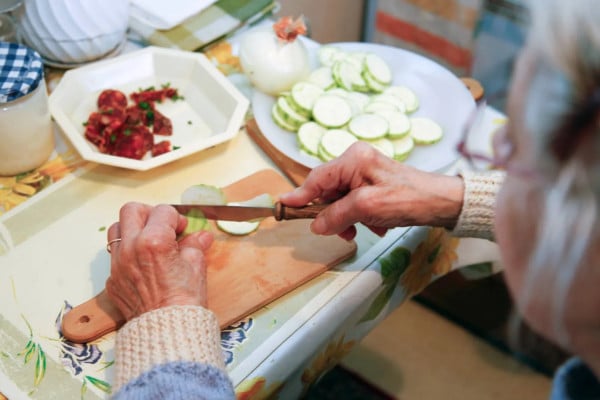
Preparing home-cooked meals at least once a week may reduce the risk of dementia in older adults by 30 percent, according to a recent Japanese study published in the Journal of Epidemiology & Community Health.
The research, conducted by scientists at the Tokyo Institute of Science and published on March 24, 2026, found that the protective effect was even stronger among older adults with little cooking experience, lowering dementia risk by up to 70 percent for beginner cooks.
The study, titled “Home Cooking, Cooking Skills, and Dementia Requiring Long-Term Care: A Population-Based Cohort Study in Japan,” highlights how simple lifestyle behaviors like cooking at home can support brain health in aging populations.
Researchers noted that home cooking encourages healthier eating habits, including increased consumption of fruits and vegetables and reduced intake of ultra-processed foods, while also promoting physical activity and cognitive engagement.
They emphasized that relying more on restaurants, ready-made meals, and frozen foods over the past 50 years has made home cooking less common, with global averages showing adults prepare dinner at home only about three times a week.
The findings suggest that promoting home cooking, especially among older adults new to the kitchen, could be a practical and accessible strategy to help reduce dementia risk and support long-term brain health.
