
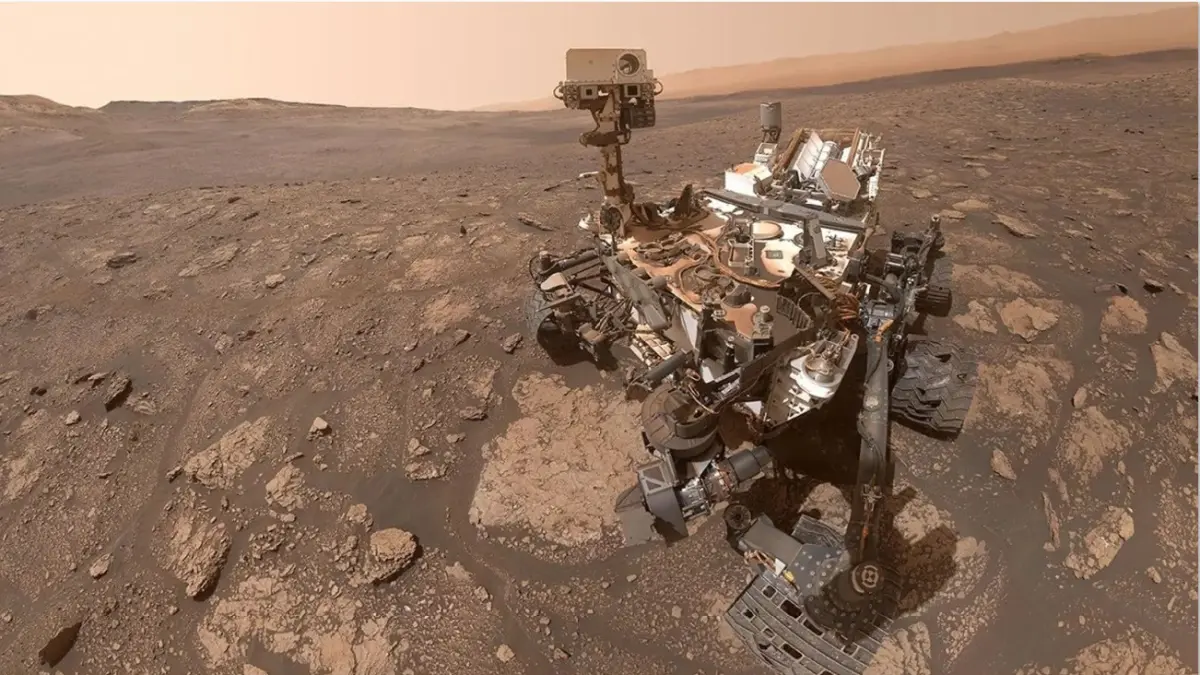
NASA’s Curiosity Mars rover has identified the most diverse collection of organic molecules ever found on the Red Planet, including seven compounds detected for the first time on Mars, according to a new analysis published in Nature Communications.
The findings arrive from a rock sample nicknamed “Mary Anning 3,” collected in 2020 from a clay-rich region on Mount Sharp where ancient lakes and streams once flowed billions of years ago. After years of laboratory analysis, scientists confirmed the sample contains 21 carbon-containing molecules, several of which are considered key building blocks for life as we know it on Earth.
Among the detected compounds is a nitrogen-containing molecule that resembles precursors to DNA, raising new questions about the potential for prebiotic chemistry on ancient Mars. Researchers emphasized that even as these molecules could have formed through either biological or geological processes, their presence confirms that Mars once possessed the right chemical conditions to support life.
The discovery also highlights the remarkable preservation of organic material in Martian rocks, despite billions of years of exposure to radiation that typically breaks down such compounds. This resilience suggests that future missions may be able to detect even more complex biosignatures if they exist.
Although scientists cannot yet determine whether these molecules originated from living organisms, the findings strengthen the case that Mars was once a habitable world. As Curiosity continues to explore Mount Sharp, each new sample adds to the growing evidence that the planet’s ancient environment could have supported the chemistry necessary for life.
The results underscore the importance of ongoing robotic exploration in answering one of humanity’s most profound questions: whether life ever existed beyond Earth.
