
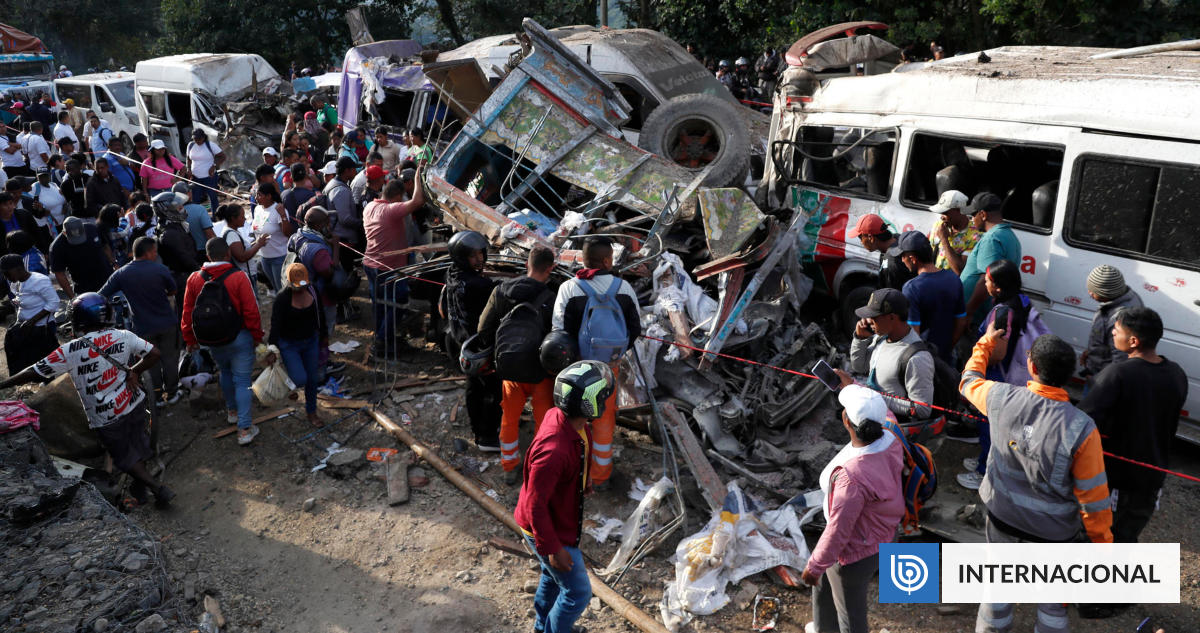
At least 14 people were killed and 38 injured in an explosive attack on a highway in Colombia’s Cauca department on Saturday, April 25, 2026, according to regional officials.
The blast occurred in the El Túnel area of Cajibío along the Pan-American highway, targeting multiple vehicles in what authorities described as an indiscriminate assault on civilians. Initial reports from Governor Octavio Guzmán indicated seven fatalities and over 20 seriously wounded, but the toll was later revised upward as rescue operations continued.
Guzmán characterized the incident as a tragedy that “deeply mourns our families” and urged national authorities to act swiftly, stating there are “not enough words for the pain we feel today.” He also noted a surge in violent incidents across nearby municipalities including El Tambo, Caloto, Popayán, Guachené, Mercaderes and Miranda, calling for immediate national intervention.
Colombian military officials attributed the attack to dissident factions of the Revolutionary Armed Forces of Colombia (FARC), specifically those under the command of alias “Iván Mordisco,” who have not accepted the 2016 peace agreement. President Gustavo Petro echoed this assessment on social media, demanding a global manhunt against what he labeled a narcoterrorist group and calling for the deployment of elite forces to restore security in the region.
The explosive device used in the attack was identified as a “cylinder bomb”—a gas cylinder packed with explosives—detonated against a bus. Video footage circulated online showed overturned vehicles, structural damage to the roadway, and victims lying at the scene, corroborating eyewitness accounts of the blast’s severity.
Authorities warned that the number of casualties could rise as search teams continue to gaze for missing persons, with some individuals still unaccounted for following the explosion. The incident adds to a growing pattern of violence in southwestern Colombia, where FARC dissidents have increased activity ahead of upcoming presidential elections.
Local emergency responders, including firefighters from Piendamó, remained at the site into the evening, recovering bodies and treating the injured. Regional leaders emphasized that Cauca cannot face this escalation alone and demanded sustained, effective action from the national government to address what Guzmán described as a “terrorist escalation requiring immediate responses.”
