
Preventable Risk: Blood Pressure and Cholesterol Management Key to Reducing Cardiovascular Deaths
Cardiovascular and cerebrovascular diseases continue to stand as the second leading cause of death, representing a critical public health challenge. However, recent insights suggest a hopeful reality: nearly half of these cardiovascular events are preventable through proactive intervention and consistent health management.
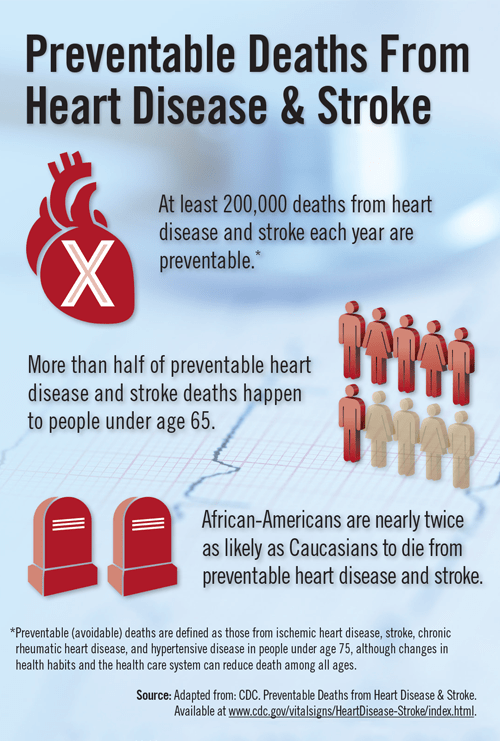
Experts indicate that a significant portion of cardiovascular disease cases are essentially “man-made” disasters, stemming from a failure to properly manage known risk factors. This suggests that many life-threatening events are not inevitable but are instead the result of avoidable neglect in long-term health maintenance.
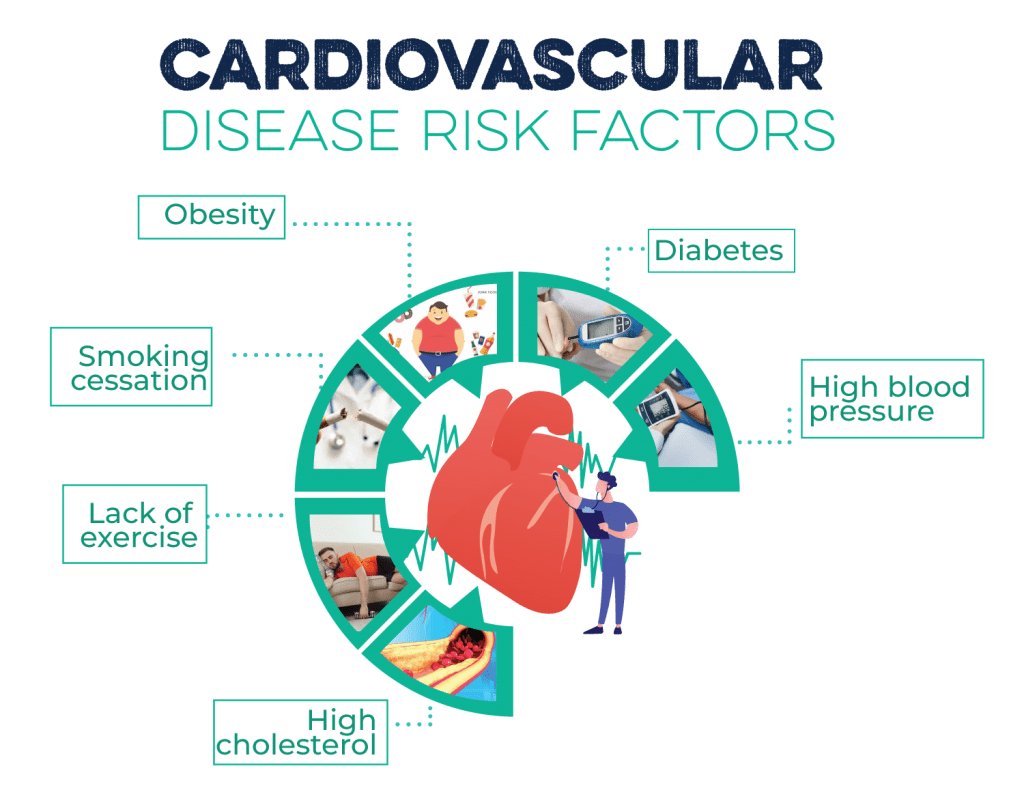
Among the top five primary drivers of cardiovascular disease, blood pressure has been identified as the most significant factor. The high prevalence of hypertension underscores the urgent need for better blood pressure monitoring and control to lower the incidence of heart-related fatalities.
While these conditions were traditionally associated with older populations, health officials are now sounding the alarm for younger adults. There is a concerning rise in hyperlipidemia—characterized by abnormal lipid levels in the blood—among individuals in their 20s and 30s.
Medical professionals emphasize that young adults should not allow concerns over potential medication side effects to deter them from necessary treatment. Consistent, long-term management is viewed as essential to preventing the progression of arterial damage and reducing the risk of early-onset cardiovascular events.
These findings highlight a critical shift in public health priorities, moving from reactive treatment to aggressive prevention. By focusing on blood pressure stability and cholesterol management across all age groups, the burden of these leading causes of death can be significantly reduced.
