
U.S. Intelligence agencies are closely monitoring the Iranian government’s reaction as President Donald Trump reportedly explores the possibility of making a “unilateral declaration of victory” regarding the ongoing tensions between the two nations. This strategic move comes at a time when diplomatic channels appear stalled and neither side shows a willingness to compromise.
The potential for a unilateral announcement by the U.S. President could signal a shift in Washington’s approach, focusing on a perceived win rather than a negotiated settlement. According to recent reports, intelligence officials are analyzing how Tehran might respond to such a declaration, as the geopolitical stakes in the region remain volatile.
Inside Iran, the government is attempting to project an image of strength and solidarity. However, analysts suggest that this outward display of unity masks deep internal “cracks” that could influence the trajectory of future negotiations. Even as the state continues to appeal for national cohesion, the stability of the current leadership is being tested by growing domestic friction.
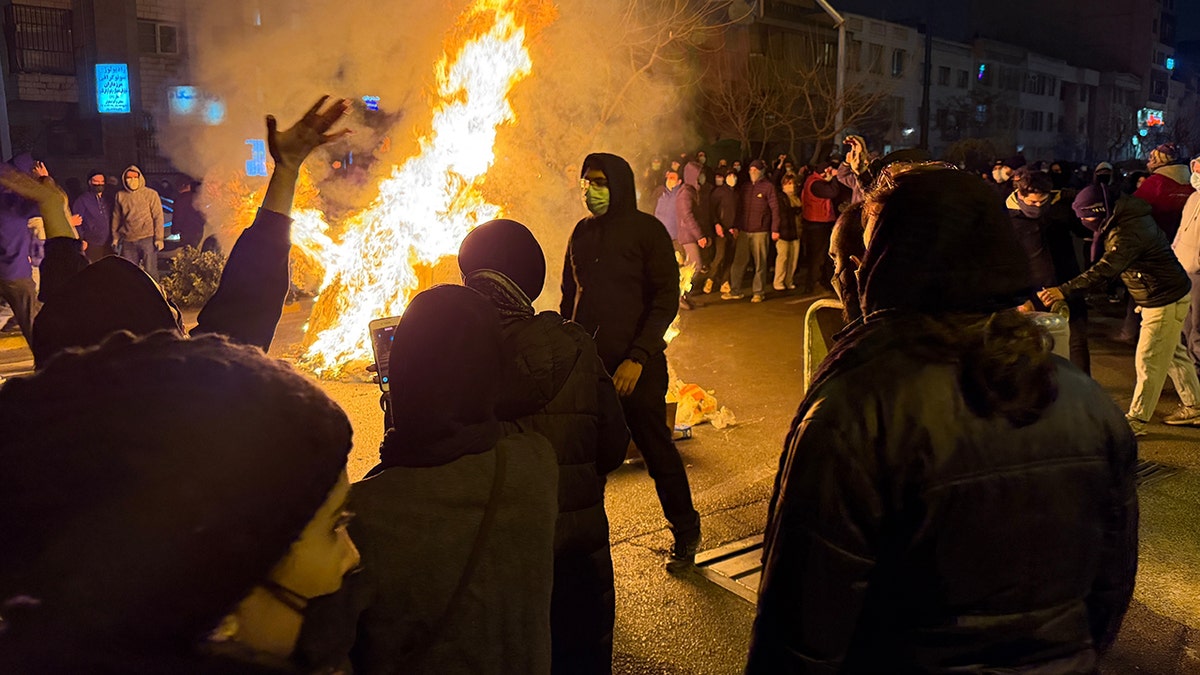
These internal tensions were visible during mass protests in Tehran on April 25, 2026. While the crowds gathered to shout “Death to America” and protest against the U.S. And Israel, the demonstrations revealed a surprising layer of defiance against the Iranian regime itself. Some women participated in the rallies without wearing the mandatory hijab, an act of civil disobedience that authorities have tentatively tolerated. This reluctance to crack down on hijab-less protesters suggests that the government is wary of further fueling widespread public dissatisfaction.
The standoff is further complicated by a complete lack of diplomatic momentum. With no clear point of compromise in sight, the rhetoric from both capitals has grown increasingly aggressive. Reports indicate that some of President Trump’s close aides are already discussing the possibility of renewed military strikes against Iranian targets.
The current impasse underscores the fragility of regional security, where the intersection of internal Iranian unrest and aggressive U.S. Foreign policy could lead to an unpredictable escalation. The outcome of these intelligence assessments and the domestic stability of the Iranian regime will likely dictate whether the region moves toward a fragile peace or renewed conflict.
