
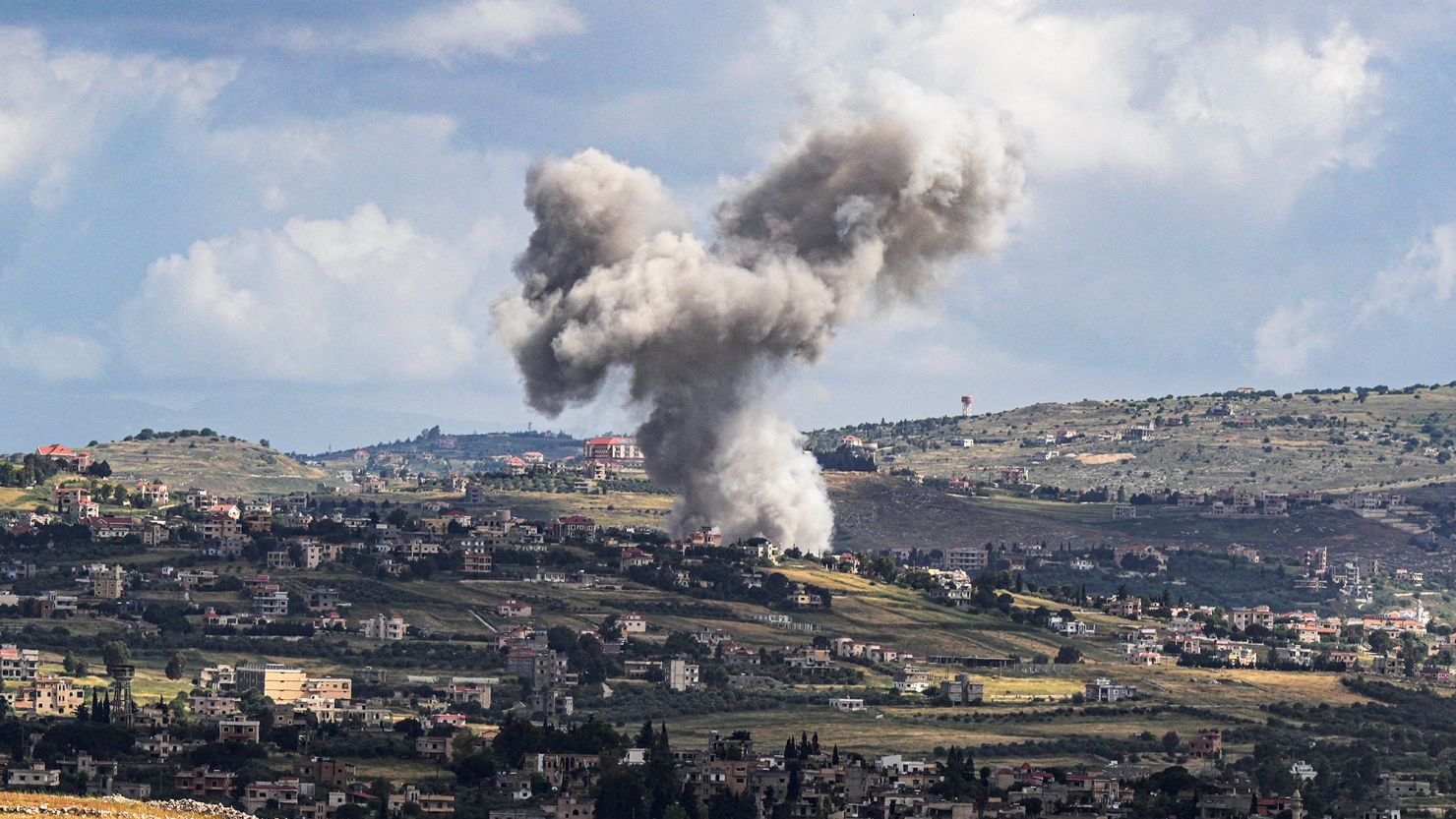
Israel has issued a two-week ultimatum to Lebanon to reach a diplomatic agreement, warning that it will escalate military operations if the threat posed by Hezbollah is not neutralized. This deadline comes amid a period of heightened tension in southern Lebanon, where Israeli forces have threatened to expand their strike zone north of the Litani River.
The current standoff underscores the precarious nature of the region’s security, as Israel maintains there will be no permanent ceasefire in the south until Hezbollah is no longer a viable threat. This rigid stance is being balanced against international pressure, including calls from Donald Trump, who has urged Prime Minister Benjamin Netanyahu not to “break” the Lebanon truce.
Military assessments have added to the volatility, with reports indicating that Hezbollah currently possesses thousands of drones, significantly complicating any potential ceasefire negotiations. As Israel continues its military pressure, the threat of widening the conflict beyond the current boundaries remains a central point of contention.
Within Lebanon, the crisis has sparked calls for stronger domestic governance. Saer has stated that the Lebanese government must take practical and decisive steps to restore the nation’s sovereignty in the face of ongoing external military pressure.
The situation remains fluid as the two-week window for an agreement closes, with Israel signaling that military escalation is the primary alternative should diplomatic efforts fail. This dynamic highlights the deep-seated distrust between the two parties and the high stakes of the current diplomatic deadline.
As Israeli operations continue in the south, the threat of expanding strikes north of the Litani River serves as a stark reminder of the potential for a broader conflict. According to recent reports, the Israeli military remains committed to its objective of eliminating Hezbollah’s capabilities before any ceasefire can be formally established.
