
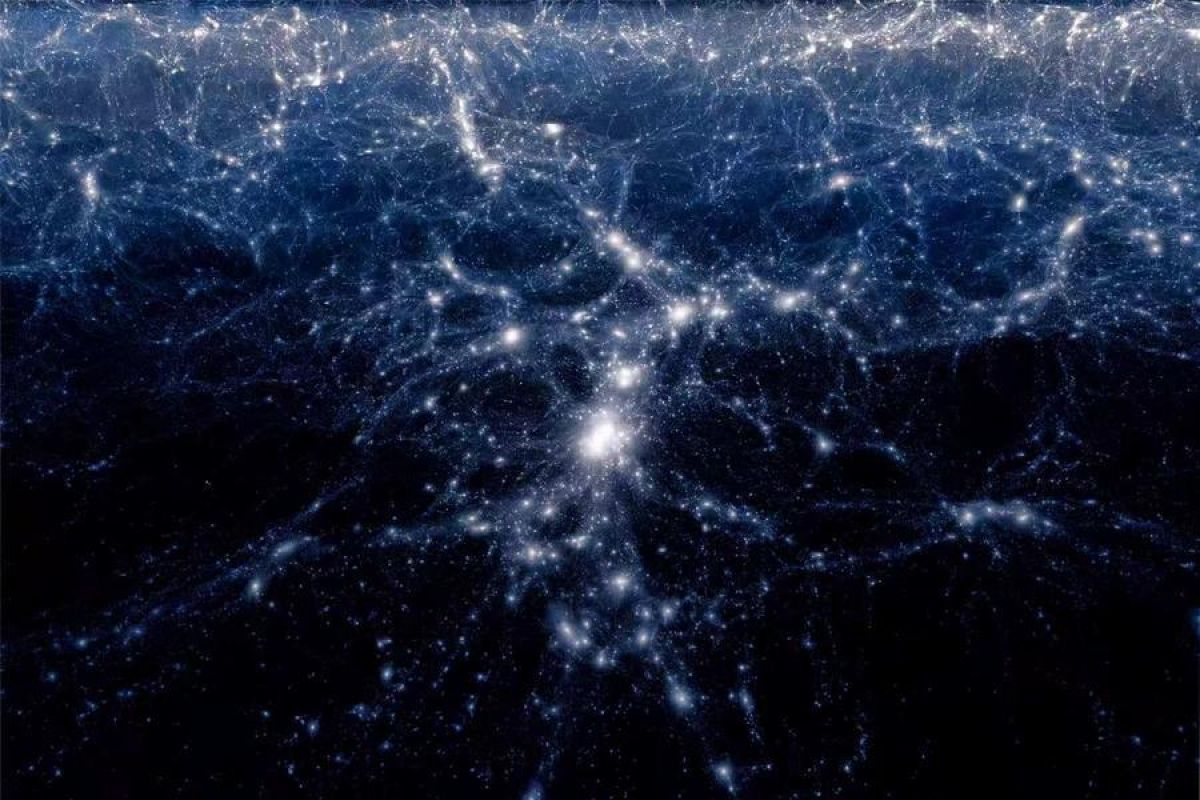
Researchers Deploy Massive Supercomputer Simulation to Uncover Cosmic Origins
A team of scientists has launched a large-scale simulation of the cosmos, leveraging the immense processing power of a supercomputer to model the evolution of the universe. The project aims to recreate the complex history of the cosmos, tracking its development from the Substantial Bang to its current state.
By utilizing high-performance computing, the researchers are able to simulate the vast distribution of matter across space. A primary focus of the simulation is the role of dark matter, which is essential for understanding how galaxies formed and how the large-scale structure of the universe evolved over billions of years.
The simulation allows the team to test theoretical models of physics against a virtual representation of the universe. This process helps scientists identify the mechanisms that drove the expansion of the cosmos and the clustering of celestial bodies.
The ability to process such gargantuan datasets through supercomputing represents a technological leap that extends beyond astronomy, offering potential parallels for the future of complex biological modeling and public health data analysis.
According to the research team, this simulation provides a critical tool for visualizing the invisible forces that shape our universe, potentially bridging gaps in current astronomical knowledge.
