
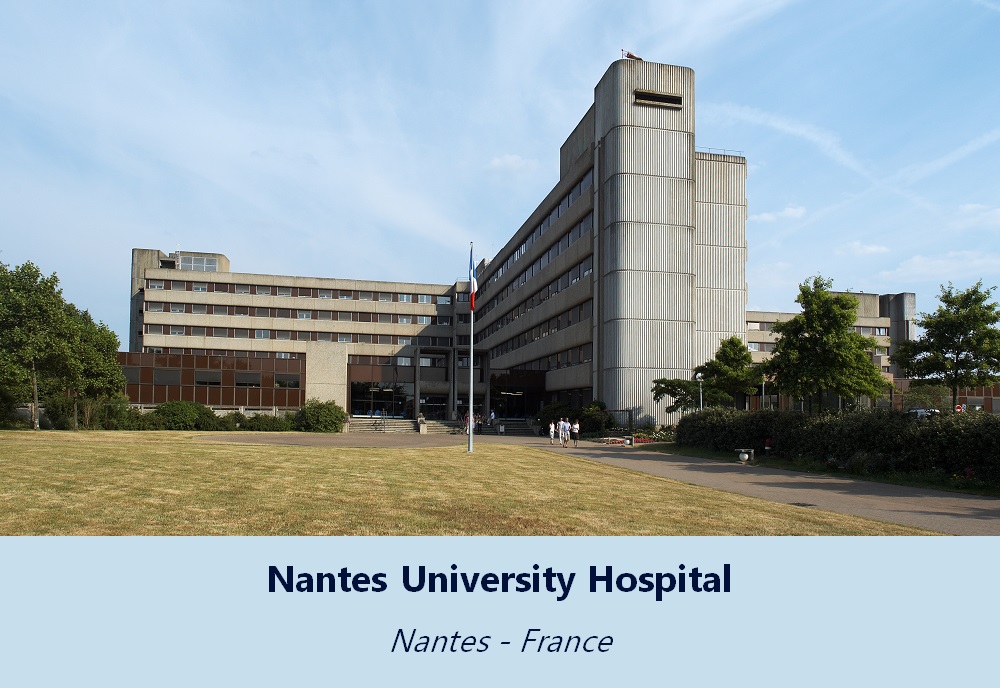
Nantes University Hospital (CHU de Nantes) has implemented a multidisciplinary consultation framework to streamline the treatment of facial paralysis. By integrating various medical specialties into a coordinated care model, the institution aims to accelerate diagnosis and personalize rehabilitation for patients facing this complex condition.
The initiative addresses the critical need for rapid intervention in cases of facial paralysis, where the timing of treatment can significantly influence the degree of nerve recovery and long-term functional outcomes. This coordinated approach ensures that patients receive a comprehensive evaluation without the delays associated with scheduling multiple independent appointments.
A Collaborative Approach to Specialized Care
Under the new system, the hospital brings together a diverse team of specialists to evaluate patients simultaneously. This team includes experts in:

- Neurology
- Ophthalmology
- Otorhinolaryngology (ENT)
- Physical Medicine and Rehabilitation (PM&R)
By consolidating these perspectives, the medical team can more efficiently determine the underlying cause of the paralysis, whether it stems from trauma, tumors, or other neurological triggers. This collaborative model reduces the administrative and physical burden on patients, who previously had to navigate a fragmented system of separate consultations.
Improving Patient Outcomes Through Coordination
The primary goal of the multidisciplinary consultation is to establish a precise and immediate treatment plan. According to the hospital, this integration allows for a more seamless transition from the initial diagnostic phase to targeted rehabilitation.
Facial paralysis can have a profound impact on a patient’s quality of life, affecting communication, eating, and psychological well-being. The implementation of this streamlined process at CHU de Nantes underscores the importance of a holistic, rapid-response strategy in treating neurological impairments.
