
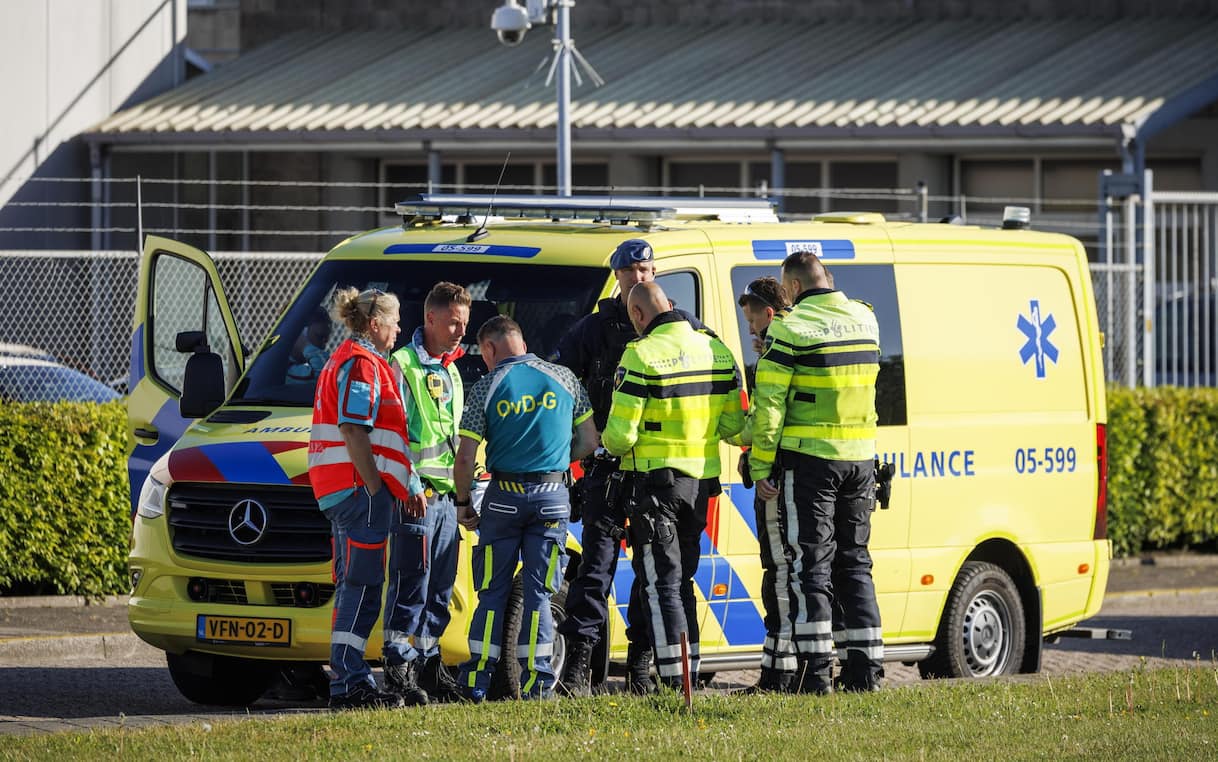
EU Activates Civil Protection Mechanism Amid Hantavirus Concerns; WHO Clarifies Pandemic Risk
The European Union has activated its civil protection mechanism to coordinate a response to Hantavirus, as health authorities launch a targeted effort to trace passengers who may have been exposed to the virus. This move underscores the importance of rapid inter-governmental cooperation when managing potential zoonotic threats to ensure public safety across borders.

Despite the activation of emergency protocols, the World Health Organization (WHO) has moved to calm public anxiety, stating that the current situation does not signal the beginning of a pandemic. Health experts emphasize that Hantavirus does not behave like the SARS-CoV-2 virus. Specifically, the risk profile is fundamentally different from COVID-19, primarily because the transmission dynamics are not conducive to the same type of rapid, global human-to-human spread.
To better understand the current alert, it is essential to recognize what Hantavirus is and how it is transmitted. Hantaviruses are zoonotic, meaning they are carried by animals—specifically rodents. Humans typically contract the virus through the inhalation of aerosolized particles from the urine, droppings, or saliva of infected rodents. Because the primary bridge to humans is animal-to-human rather than human-to-human, the likelihood of a widespread pandemic is significantly lower.
The decision to engage the EU’s civil protection framework allows for a streamlined exchange of information and resources as authorities work to identify and monitor individuals who may have been exposed during travel. This proactive monitoring is a standard public health measure designed to contain isolated cases before they can cause wider community concern.
The ongoing situation highlights the necessity of vigilant surveillance of zoonotic diseases, as environmental changes and global travel continue to influence how viruses move between species and populations.
