
Why Diet Alone May Not Be Enough to Lower Cholesterol: The Role of Statins
For many individuals struggling with high cholesterol, the standard advice is to overhaul their eating habits and increase physical activity. However, medical experts warn that for a significant portion of the population, lifestyle changes alone are insufficient to reach healthy levels. This gap between dietary effort and biological results is often rooted in how the human body produces cholesterol.
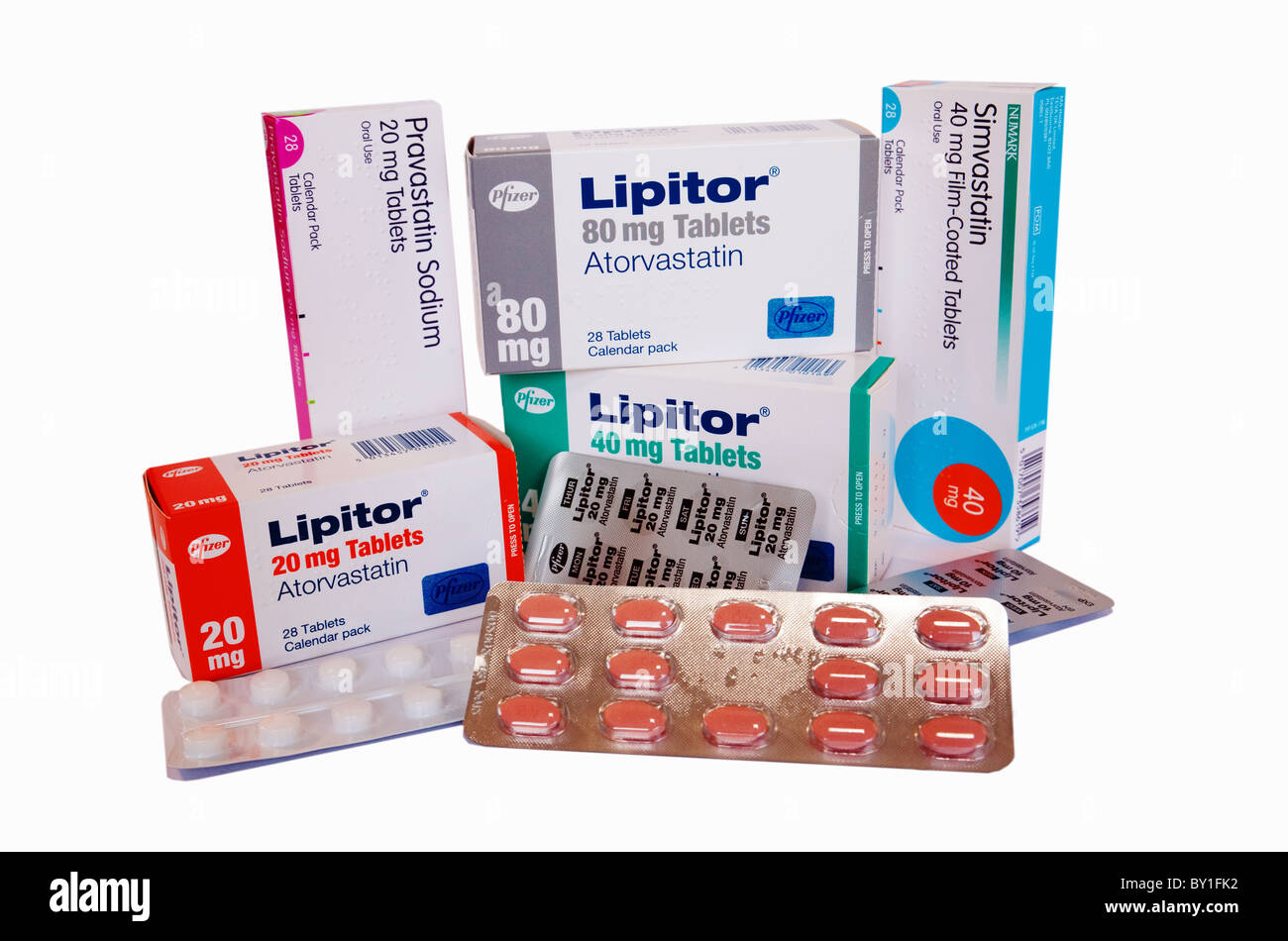
According to cardiologist Dr. Alejandro Gurevich, the challenge lies in the distinction between the cholesterol we consume and the cholesterol our bodies create. While dietary choices are essential for overall health, they only address a fraction of the problem.
Understanding the ‘Bad’ Cholesterol
To understand why medication is often necessary, it is first important to distinguish between different types of lipoproteins. Low-density lipoprotein (LDL), commonly referred to as “bad” cholesterol, is the primary concern for cardiovascular health. When LDL levels are too high, it can lead to the accumulation of plaques in the arterial walls—a process known as atherosclerosis.
Over time, these plaques narrow the arteries, restricting blood flow and significantly increasing the risk of severe cardiovascular events, such as heart attacks or strokes. This underscores why managing LDL levels is a critical priority for public health and long-term wellness.
The Liver’s Role: Endogenous vs. Exogenous Cholesterol
A common misconception is that high blood cholesterol is solely the result of eating fatty foods. In reality, cholesterol comes from two distinct sources:
- Exogenous Cholesterol: This is the cholesterol obtained through the foods we eat.
- Endogenous Cholesterol: This is the cholesterol produced internally by the liver.
Dr. Gurevich explains that the liver is responsible for producing the vast majority of the cholesterol found in the bloodstream. For many people, the liver overproduces cholesterol regardless of how strict their diet is. In these cases, the “internal factory” is the primary driver of high LDL levels, making it nearly impossible to lower cholesterol through nutrition and exercise alone.
Statins: The ‘Gold Standard’ for Cholesterol Management
When lifestyle modifications fail to bring LDL levels down to a safe range, physicians often turn to statins. These medications are widely regarded as the most effective tool for reducing cardiovascular risk.
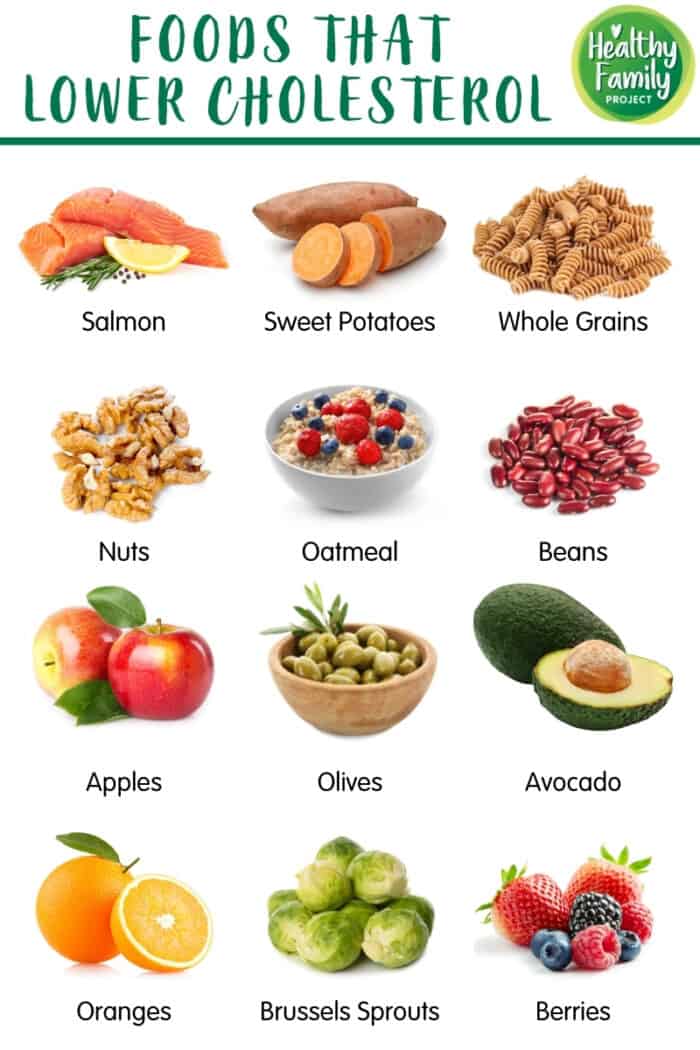
Statins work by targeting the liver’s production process. Specifically, they inhibit an enzyme called HMG-CoA reductase, which plays a central role in the synthesis of cholesterol. By blocking this enzyme, statins effectively reduce the amount of LDL the liver produces and releases into the bloodstream.
This pharmacological intervention provides a level of control that diet cannot achieve, particularly for patients with a genetic predisposition to high cholesterol.
The Importance of Medical Supervision
While statins are highly effective and generally safe, they are not a one-size-fits-all solution. Dr. Gurevich emphasizes that these medications must be prescribed and monitored by a healthcare professional.
Medical supervision is necessary to determine the appropriate dosage, monitor for potential side effects, and evaluate the patient’s overall cardiovascular risk profile. The goal of treatment is not simply to lower a number on a lab report, but to reduce the actual risk of heart disease and improve the patient’s quality of life.
the most effective approach to heart health is a combination of a balanced diet, regular exercise, and, when biologically necessary, targeted medical therapy.
