

Global Wine Consumption Plummets to Lowest Level Since 1957
The global wine industry is facing a historic contraction, with worldwide consumption falling to its lowest level since 1957. This downward trend persisted into 2025, as the sector grapples with a convergence of trade barriers, environmental instability, and a fundamental shift in consumer behavior.
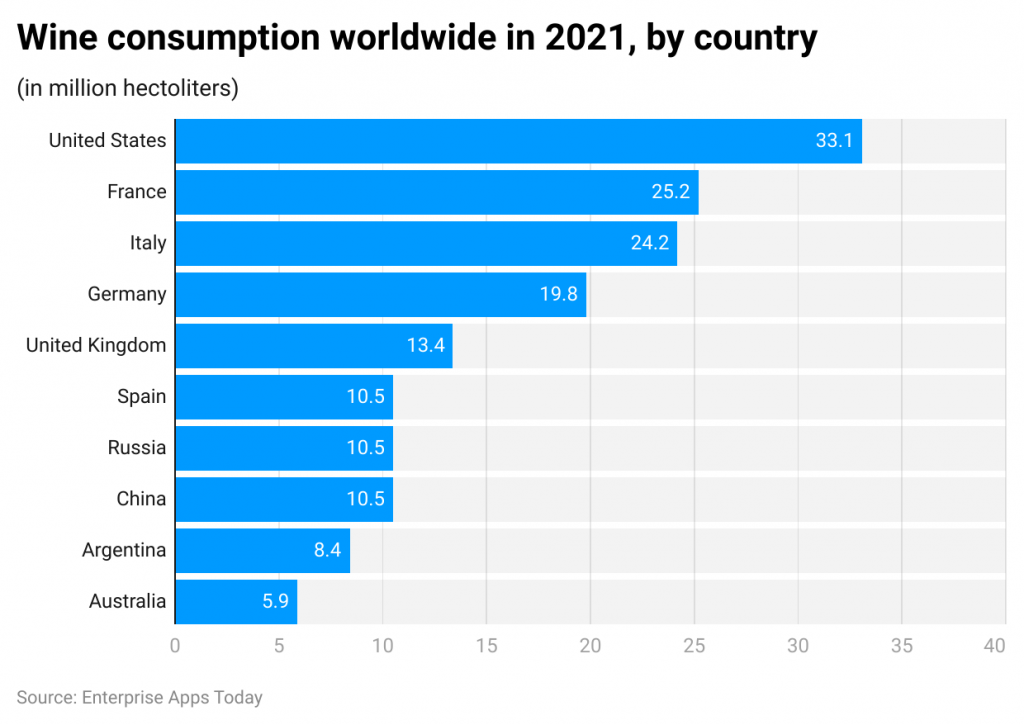
Trade volatility has emerged as a primary headwind, with US tariffs burdening the global wine trade in 2025. These protectionist measures have created significant instability for exporters, with Italian wine producers coming under intense tariff pressure. The uncertainty surrounding trade policy has left major producing regions struggling to maintain export volumes and pricing stability.
Beyond the immediate impact of tariffs, the industry is contending with long-term systemic challenges. A combination of climate change and shifting consumption patterns are eroding traditional demand. This evolution in consumer preferences, coupled with environmental disruptions to production, suggests a structural decline in how wine is valued and consumed globally.
In response to these pressures, some producers are pivoting toward localized strategies to offset international losses. In Switzerland, for instance, winemakers are increasingly targeting domestic consumers, seeking a more stable revenue stream within their own borders.
The current downturn underscores the industry’s struggle to adapt to a new economic reality. The intersection of geopolitical friction and changing social norms has left the global market in a state of profound volatility, forcing a rethink of traditional export-led growth models.
