
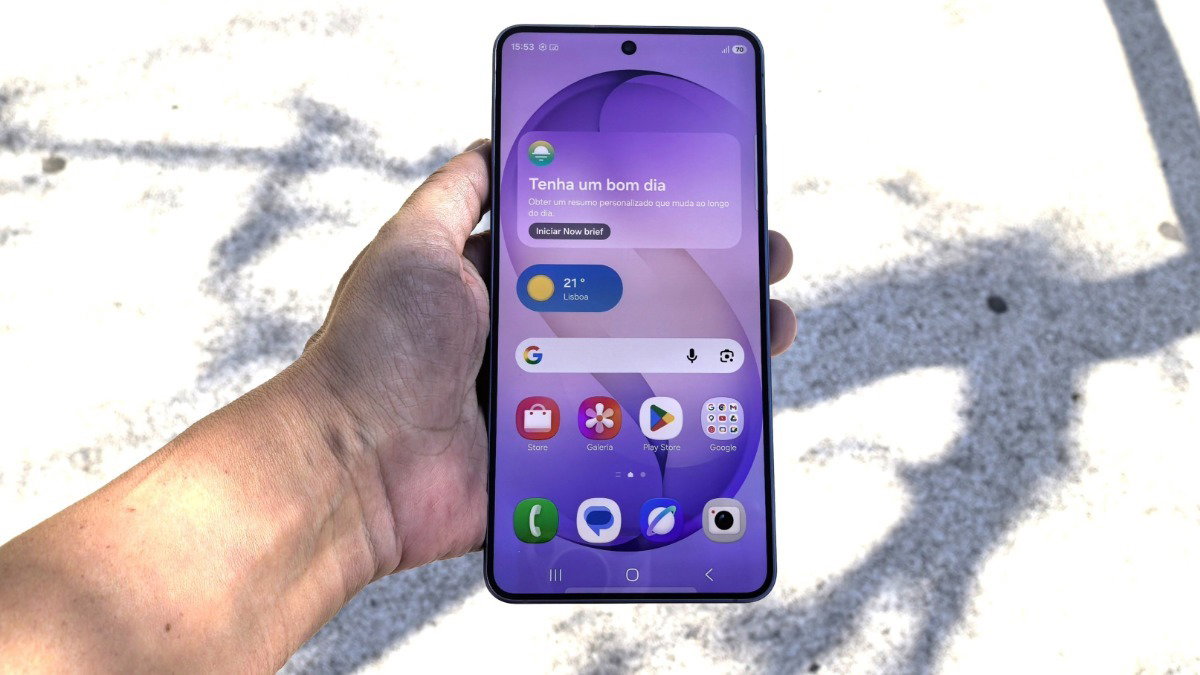
Samsung Accelerates Software Roadmap with One UI 9 Beta and Android 17 Launch
Samsung is pushing the boundaries of its software ecosystem, officially launching the beta program for One UI 9, based on Android 17. The rollout has already begun for the Galaxy S26 series, signaling a rapid transition toward the next generation of the company’s user interface. This move highlights Samsung’s commitment to maintaining a cutting-edge experience across its mobile lineup, ensuring that the latest AI-driven capabilities reach users as quickly as possible.

Android 17 is being positioned as an “intelligent system,” specifically engineered to integrate deeply with Gemini. This evolution suggests a shift toward a more proactive, AI-centric operating system that enhances user productivity and device autonomy. While One UI 9 is expected to see a wider release in the second half of 2026, the current beta phase allows early adopters to test the synergy between Samsung’s skin and Google’s latest Android iteration.
Parallel to the One UI 9 preparations, the company is still deploying One UI 8.5. This version has already begun arriving for the Galaxy S25 series in Brazil. Notably, the One UI 8.5 update on the Galaxy S26 has revived a highly useful Samsung DeX function, reinforcing the company’s focus on desktop-class productivity from a mobile device.
Extended Support: Which Devices Will Get One UI 9?
Samsung has significantly expanded its software support lifecycle, now offering up to seven years of updates for its flagship S and Z series, and up to six years for the Galaxy A series. This strategy ensures that older hardware remains viable and secure for longer periods, reducing electronic waste and increasing the value proposition of the devices.
While an official comprehensive list has not been published by Samsung, eligibility criteria based on these support policies indicate that a wide array of smartphones and tablets are slated for the One UI 9 and Android 17 update.
Eligible Galaxy S and Z Series
- Galaxy S Series: S26, S26+, S26 Ultra; S25, S25+, S25 Ultra, S25 Edge, S25 FE; S24, S24+, S24 Ultra, S24 FE; S23, S23+, S23 Ultra, S23 FE.
- Galaxy Z Series: Z TriFold, Z Fold 7, Z Flip 7, Z Flip 7 FE, Z Fold Special Edition, Z Fold 6, Z Flip 6, Z Fold 5, Z Flip 5.
Eligible Galaxy A, M, and F Series
- Galaxy A Series: A57, A56, A55, A54, A37, A36, A35, A34, A26, A25, A24, A17, A16 (LTE and 5G), A15 (LTE and 5G), A07 (LTE and 5G), A06 5G.
- Galaxy M Series: M56, M55, M55s, M54, M36, M34, M17, M17e, M16, M15, M07, M06.
- Galaxy F Series: F70e, F56, F55, F54, F36, F34, F17, F16, F15, F07, F06.
Eligible Galaxy Tablets
- Galaxy Tab Series: Tab S11, Tab S11 Ultra, Tab S10+, Tab S10 Lite, Tab S10 Ultra, Tab S10 FE, Tab S10 FE+, and the Tab S9 series.
The expansion of AI-enhanced operating systems to older phones and tablets signals a strategic move to democratize artificial intelligence across its entire hardware portfolio. By leveraging long-term support, Samsung is ensuring that its ecosystem remains cohesive, allowing users of various device tiers to access the “smart system” capabilities of Android 17.

For those currently using the Galaxy S25 line, the arrival of One UI 8.5 serves as the immediate bridge to these future updates, refining the current experience before the full transition to One UI 9 later this year.
