
Neom’s Pivot: From Futuristic Megaprojects to Modular Successes

“The thinking now is to basically get small wins, small successes here and there, instead of these mega projects,” says Abdullah. “Like, for example, the Red Sea island resort of Sindalah could be one small win that they can promote, which is basically a very traditional style of resort, which can still be presented as part of the vision, instead of the likes of The Line and The Cube. And so they can say, ‘these represent the basis of Neom, and we didn’t have to have the whole thing’.”Dr. Abdullah, Saudi analyst
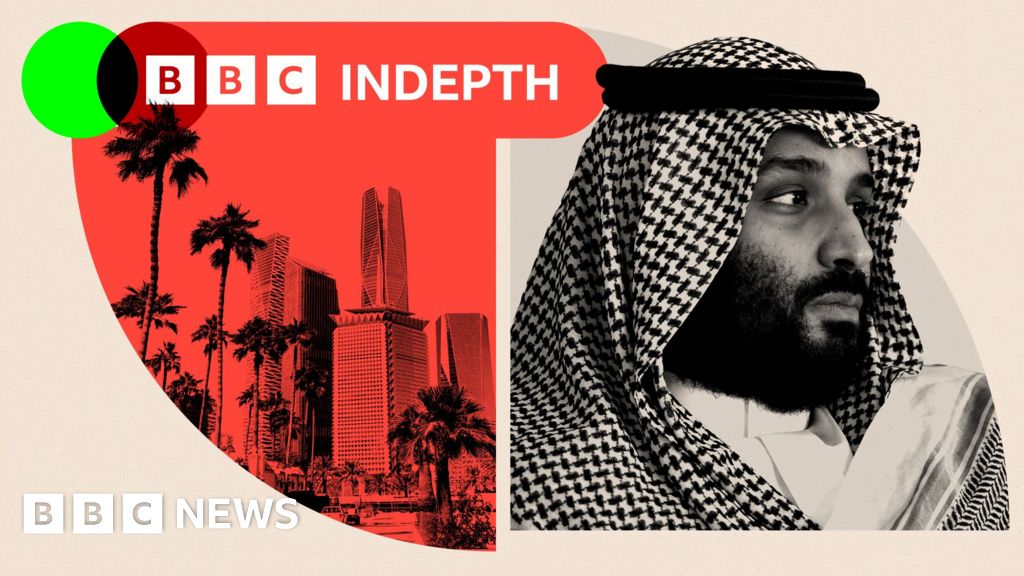
The retreat from megaprojects marks a pivotal shift in Saudi Arabia’s Vision 2030 strategy, as financial pressures and geopolitical uncertainties force a reevaluation of its ambitious $500 billion Neom development. A decade after Crown Prince Mohammed bin Salman launched the initiative, the kingdom is scaling back projects like The Line and Trojena, opting for smaller, more achievable goals. This transformation, driven by volatile oil prices and unmet foreign investment targets, reflects a broader recalibration of Saudi Arabia’s economic priorities.
The Line and Trojena: Scaled-Back Ambitions in the Face of Reality
The Retreat from Megaprojects
The Line, once envisioned as a 170-kilometer futuristic city with 10 million residents, now faces significant revisions. Originally designed to surpass the Shard in height and redefine urban planning, the project has been scaled down to a “more prosaic” development. Similarly, Trojena, a mountain resort meant to host the 2029 Asian Winter Games, has been reined in after snowfall proved unsustainable. The Games, originally slated for Saudi Arabia, have been moved to Kazakhstan. These adjustments underscore the financial and logistical challenges of maintaining such grandiose visions.
Sindalah as a Model: Traditional Resorts Over Futuristic Vision
A Shift in Strategy
Officials are emphasizing smaller, more manageable initiatives to maintain momentum. The Red Sea island resort of Sindalah, a traditional-style development, exemplifies this approach. By promoting such projects, Saudi Arabia aims to preserve the spirit of Vision 2030 without the exorbitant costs of its initial phase. “The thinking now is to basically get small wins, small successes here and there, instead of these mega projects,” said Dr. Abdullah, a Saudi analyst. This strategy prioritizes tangible outcomes over symbolic megaprojects, aligning with the kingdom’s need for fiscal prudence.
Financial Pressures and Geopolitical Risks
The retrenchment follows a period of economic strain. A sharp decline in oil prices before the Middle East war hit Saudi Arabia’s $1 trillion sovereign wealth fund (PIF), which had fueled Vision 2030. While recent price increases have provided some relief, ongoing conflicts and uncertain global markets continue to constrain spending. The failure to attract expected foreign investment further complicates the kingdom’s financial outlook. “The influx of foreign investment in these hyper-expensive visionary projects has never materialised to the degree on which the Saudis had been banking,” reported the BBC.
The PIF’s Role in Funding Vision 2030’s Evolving Priorities
The Role of the PIF
The PIF, Saudi Arabia’s sovereign wealth fund, has been central to Vision 2030’s financing. Initially reliant on oil revenues, the fund’s $1 trillion valuation (equivalent to £744 billion) was intended to diversify the economy. However, the war in the Middle East and fluctuating oil prices have exposed the vulnerabilities of this model. The fund’s role in supporting projects like Neom has come under scrutiny, with critics arguing that its resources are better directed toward more immediate economic needs.
What Comes Next?
The focus on smaller projects does not signal the end of Vision 2030 but rather its evolution. Officials are likely to emphasize infrastructure, tourism, and technology sectors that can generate immediate returns. The success of initiatives like Sindalah will be critical in demonstrating the viability of this new approach. However, the kingdom’s ability to balance ambitious goals with financial realities remains a key challenge. As one analyst noted, “The Land of the Two Holy Mosques” may soon be defined not by its futuristic cities but by its pragmatic progress.
“Like, for example, the Red Sea island resort of Sindalah could be one small win that they can promote, which is basically a very traditional style of resort, which can still be presented as part of the vision, instead of the likes of The Line and The Cube. And so they can say, ‘these represent the basis of Neom, and we didn’t have to have the whole thing’.”Dr. Abdullah, Saudi analyst
“Like, for example, the Red Sea island resort of Sindalah could be one small win that they can promote, which is basically a very traditional style of resort, which can still be presented as part of the vision, instead of the likes of The Line and The Cube. And so they can say, ‘these represent the basis of Neom, and we didn’t have to have the whole thing’.”Dr. Abdullah, Saudi analyst
“Like, for example, the Red Sea island resort of Sindalah could be one small win that they can promote, which is basically a very traditional style of resort, which can still be presented as part of the vision, instead of the likes of The Line and The Cube. And so they can say, ‘these represent the basis of Neom, and we didn’t have to have the whole thing’.”Dr. Abdullah, Saudi analyst
