
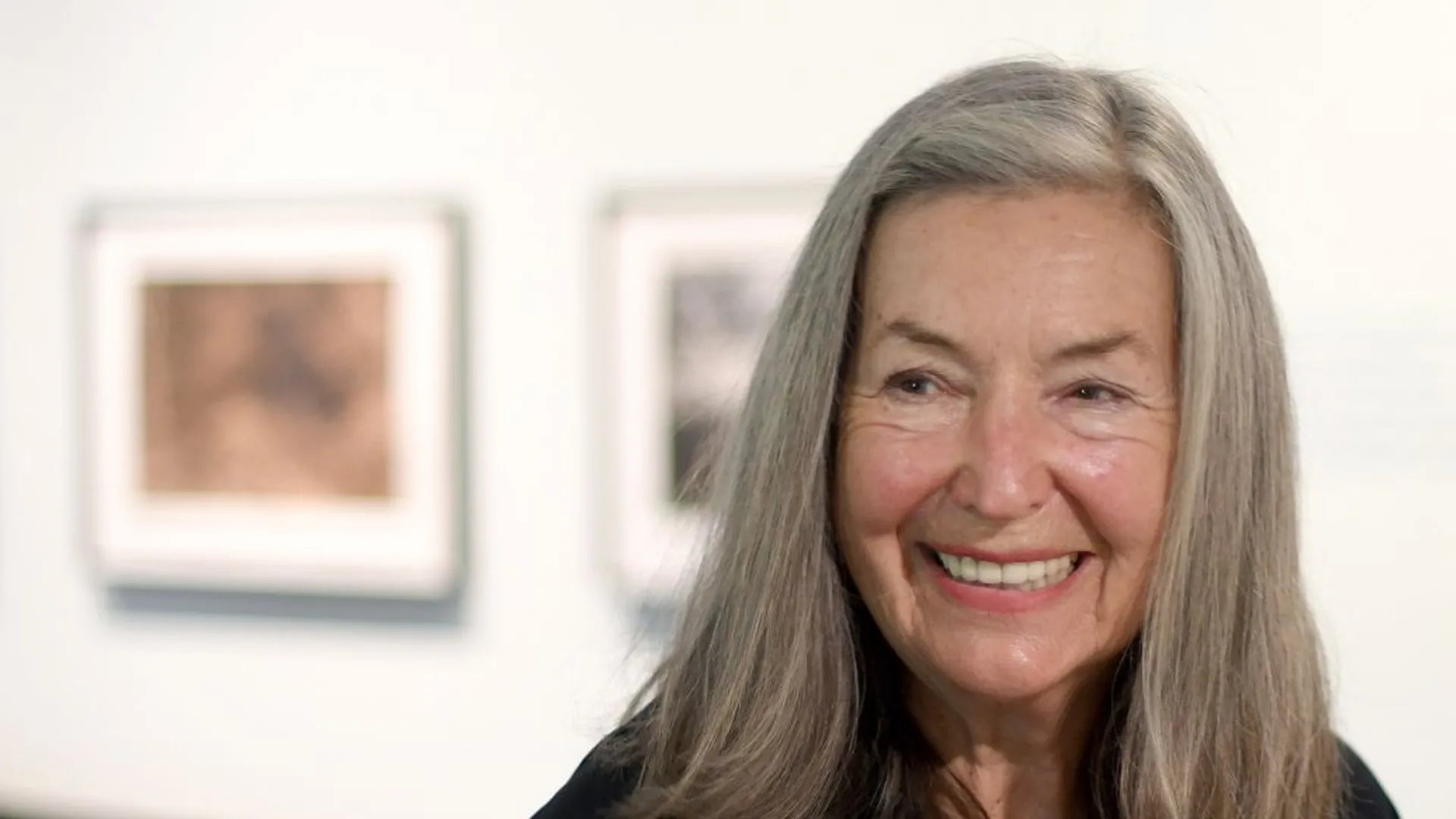
Elfie Semotan, the Austrian photographer who redefined visual storytelling across fashion, art, and advertising, has died at 84. She was found unresponsive at Jennersdorf’s public pool on Saturday, June 1, 2024, after reportedly suffering a heart attack.
The news sent shockwaves through the art world. Semotan’s career—spanning seven decades, from Parisian runways to Hollywood studios—left an indelible mark on photography. Her lens captured not just faces but the soul of her subjects, from Brad Pitt and Naomi Campbell to Elfriede Jelinek and Maria Lassnig. Yet her most enduring legacy may have been her quiet rebellion: a refusal to be defined by the men in her life, or by the commercial systems she once sought to subvert.
From Model to Master: How Semotan Defied Expectations
Born in 1941 in Wels, Upper Austria, Semotan’s path to greatness began with a detour. After training at Vienna’s Hetzendorf fashion school, she moved to Paris in the 1960s—not as a photographer, but as a model. The experience left her ambivalent. In a 2011 APA interview, she admitted, “I never enjoyed standing in front of the camera. It was always a struggle for me.” That struggle became her turning point: she traded modeling for the other side of the lens.
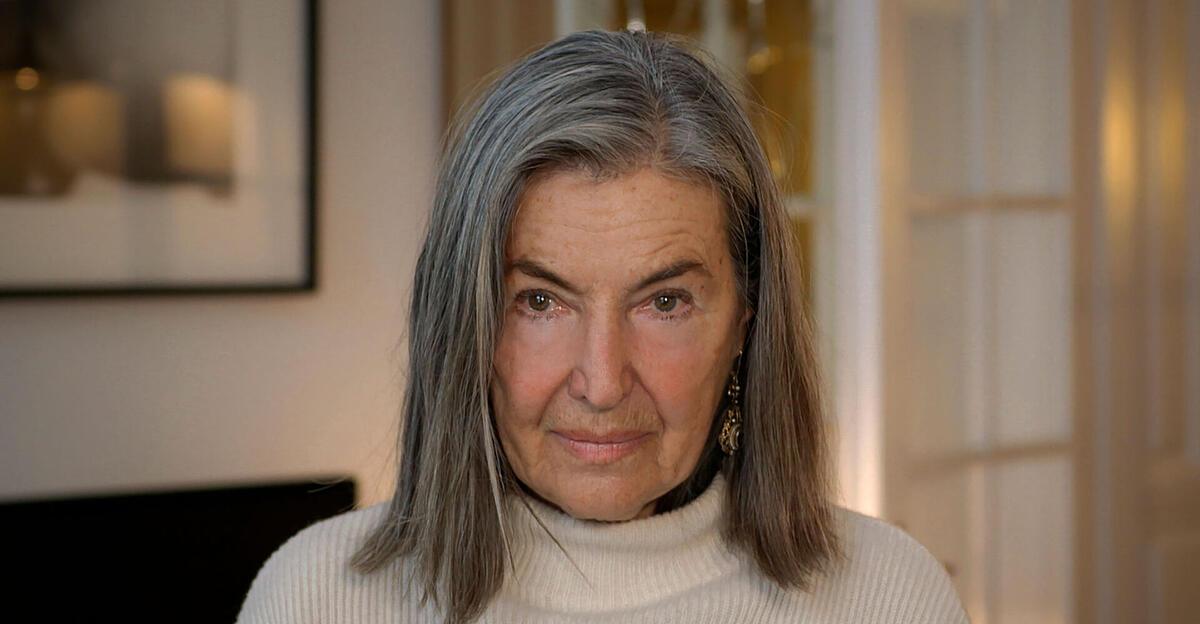
The shift paid off immediately. By the 1970s, Semotan was shooting for Vogue, Elle, and The New Yorker, her portfolio a who’s who of global culture. Hollywood stars like Marion Cotillard and Colin Farrell posed for her; supermodels like Naomi Campbell trusted her eye. Yet her most intimate work—portraits of Austrian artists like Elfriede Jelinek and Maria Lassnig—revealed her true genius: a ability to capture essence, not just appearance. “A great photograph happens when craft meets the ineffable,” she once explained. “Too much perfection kills the soul of an image.”
The Werber’s Dilemma: How Semotan Tried (and Failed) to Change Advertising
Semotan’s commercial work—iconic campaigns for Palmer’s and Römerquelle—made her a household name in Austria. But behind the glamour lay a quiet frustration. In a 2016 conversation with ORF, she confessed: “I thought I could make advertising smarter, more beautiful. But my work got co-opted by the system itself.” Her collaborations with Helmut Lang (whose 2001 WestLicht gallery in Vienna still displays their joint projects) proved she could blend art and commerce—but the industry ultimately absorbed her vision, not the other way around.

This tension defined her later projects, too. In the 2000s, she created surreal “forest works”—translucent fabrics draped over trees, puppets half-hidden in foliage—exploring themes of climate and transience. “I wanted to show another kind of beauty,” she said in her 2016 memoir, Eine andere Art von Schönheit (A Different Kind of Beauty). “One that wasn’t about perfection, but about truth.”
Legacy in Focus: How Austria’s Art World Reacts
The outpouring of grief from Austria’s cultural institutions underscores Semotan’s outsized impact. The MAK Museum called her “a central voice in Austrian photography,” while the Kunsthalle Krems mourned a “great artist who was always connected to us.” Culture Minister Andreas Babler (SPÖ) tweeted: “With Elfie Semotan, Austria loses one of the most important photographers of our time.” Burgenland’s governor, Hans Peter Doskozil, called her death “an irreplaceable loss for Austrian culture.”
Semotan’s awards—from Vienna’s Golden Merit Sign (2004) to the 2024 Grand State Prize for Culture—highlighted her status as a national treasure. Yet her global reach was undeniable. A 2019 documentary, Elfie Semotan. Photographer, directed by Jörg Burger, immortalized her career. And her 2021 retrospective, Haltung und Pose (Posture and Pose), at Vienna’s Kunst Haus, proved her work remained as relevant as ever.
What Comes Next? Preserving Semotan’s Vision
With Semotan gone, the question now is how to honor her legacy. The WestLicht gallery, which she co-founded with Helmut Lang, will likely host a memorial exhibition—perhaps featuring her forest works or her portraits of Jelinek and Lassnig. The Museumsquartier Wien, where she recently contributed a photo series for its 25th anniversary, may expand on her connection to the space. And her 2016 memoir, Eine andere Art von Schönheit, could see renewed interest as scholars and fans dissect her philosophy of “truth over perfection.”
Yet Semotan’s most lasting influence may be the artists she inspired. In an era where photography is often reduced to filters and algorithms, her work—a blend of technical mastery and raw humanity—stands as a reminder of what the medium can achieve. As the ORF put it: “Her unique gaze will remain unforgettable.”
For now, Austria mourns. But Semotan’s camera—always searching for the undefinable—will keep clicking.
“Greatness in a photograph happens when craft meets the ineffable. Too much perfection kills its soul.”
—Elfie Semotan, via <a href="https://kurier.
This article was last updated on June 6, 2026, with reactions from Austrian cultural institutions.
<!– /wp:paragraph The art world continues to grapple with the tension between technical precision and creative expression, a debate Semotan's work both exemplified and challenged.