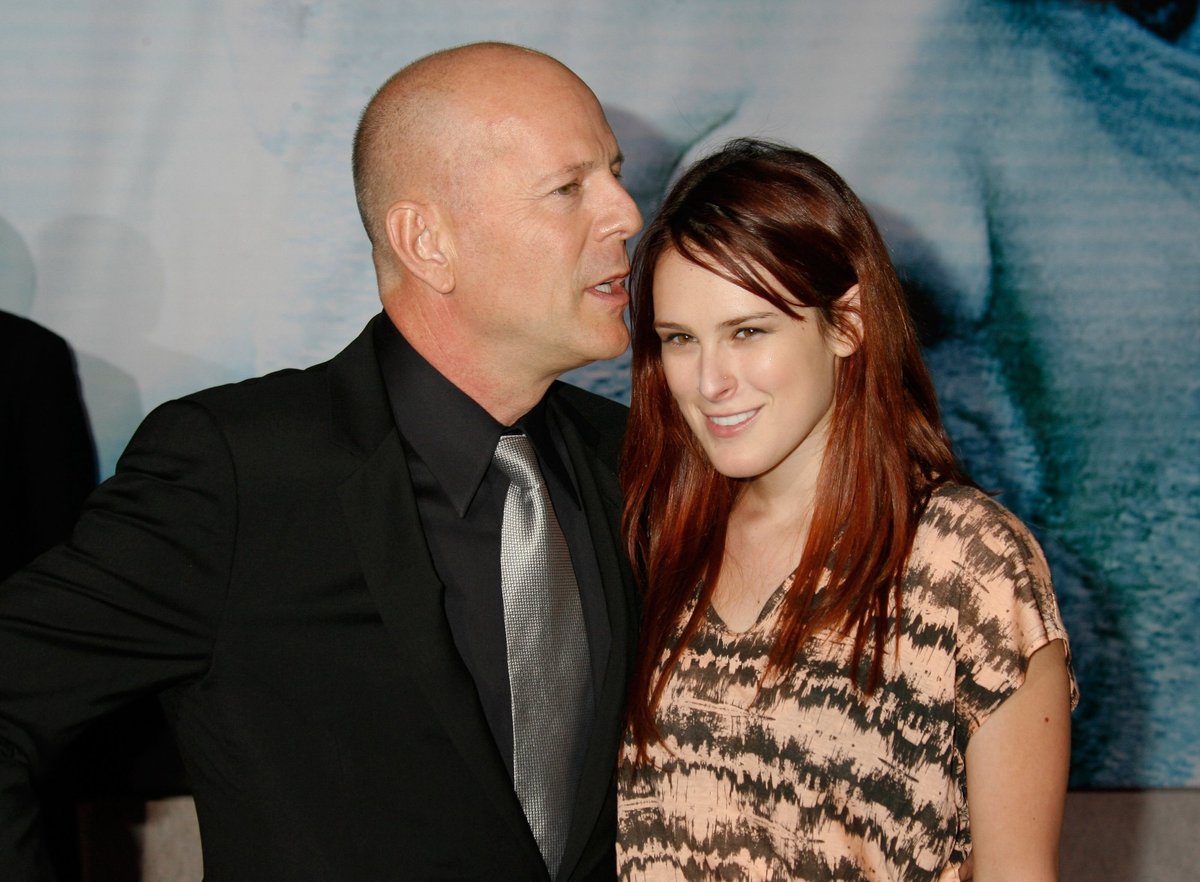
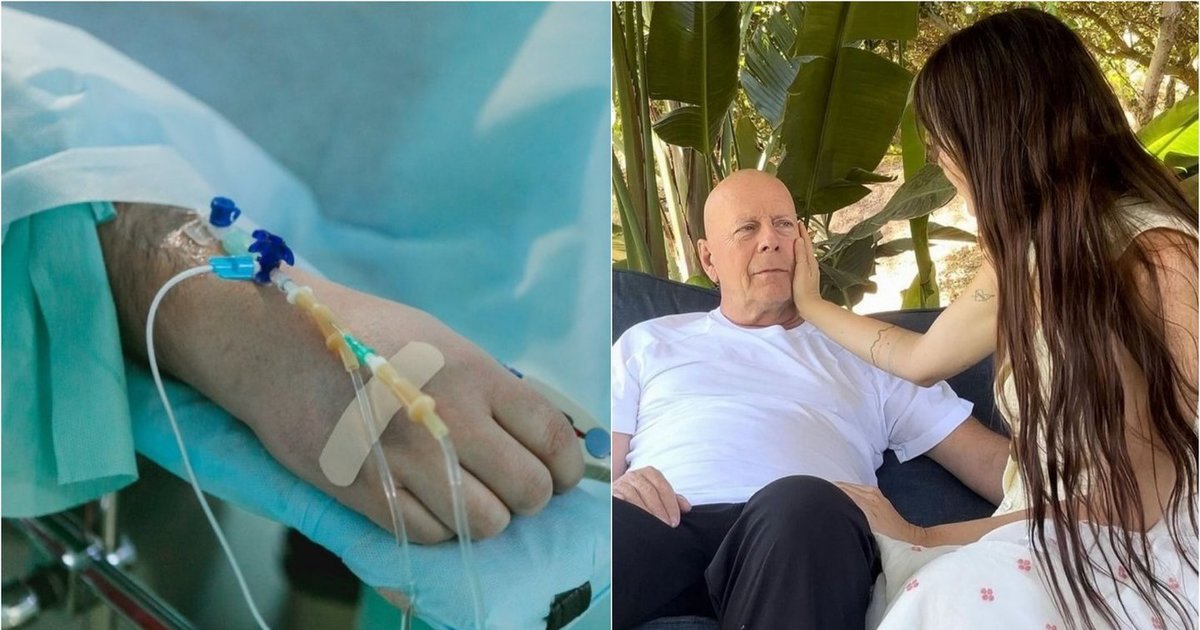
Rumer Willis, the 37-year-old daughter of actor Bruce Willis, recently shared a candid update regarding her father’s ongoing battle with frontotemporal dementia. Speaking on the program “The Inside Edit,” she described the profound changes in the 71-year-old actor’s condition since his 2023 diagnosis, emphasizing the importance of their remaining time together.
The Evolving Reality of Bruce Willis’s Health
cluster (priority): tv3.lt
The journey for the Willis family has been marked by significant transitions since Bruce Willis first stepped away from his acting career in 2022 following an initial diagnosis of aphasia. As reported by Delfi, the family later confirmed the actor was suffering from frontotemporal dementia (FTD), a rare and progressive neurodegenerative disorder.
Rumer Willis noted that while the actor’s demeanor has shifted, she remains deeply appreciative of their connection. During her appearance on “The Inside Edit,” she reflected on the nature of his current presence:
“Esu tokia dėkinga, kad galiu jį matyti. Net jei dabar jis kitoks, esu už tai labai dėkinga. Jis visada buvo tarsi mačo, tačiau dabar… Trapus yra netinkamas žodis, bet… Tiesiog atsirado kažkoks švelnumas, kurį jam ne visada pavykdavo parodyti būnant Bruce’u Willisu.” (I am so grateful that I can see him. Even if he is different now, I am very grateful for that. He was always like a macho, but now… Fragile is not the right word, but… There is just some kind of tenderness that he didn’t always manage to show while being Bruce Willis.)Rumer Willis, via Delfi
This sentiment was echoed in other public reflections, where Rumer expressed that she finds solace in the moments they share, regardless of the cognitive barriers imposed by the disease. As TV3.lt reported, she highlighted the enduring bond with her own daughter, Louetta:
“Esu be galo dėkinga, kad galiu jį apkabinti – nesvarbu, ar jis mane atpažįsta, ar ne. Žinau, kad jis jaučia mano meilę, o aš jaučiu jo šilumą. Vis dar matau jame tą kibirkštį.” (I am endlessly grateful that I can hug him – it doesn’t matter if he recognizes me or not. I know he feels my love, and I feel his warmth. I still see that spark in him.)Rumer Willis, via TV3.lt
Navigating Care and Family Dynamics
Tragic Details About Demi Moore And Bruce Willis' Daughter Rumer
The logistical side of the actor’s care has often been the subject of public scrutiny, particularly regarding the decision to move Bruce Willis into a separate residence where he receives 24-hour professional medical care. His wife, Emma Heming Willis, has frequently addressed the necessity of this arrangement. According to LD-Ruta, Emma has maintained that the decision was rooted in a desire to provide a stable environment for their younger daughters, Mabel and Evelyn.
Emma Heming Willis has been vocal about the challenges of the disease, seeking to increase public awareness through projects like her book, “Netikėta kelionė” (Unexpected Journey), and her involvement in documenting the family’s experience. Despite the criticism she has faced for her transparency, she maintains that her primary focus is the well-being of the family unit, which includes the actor’s former wife, Demi Moore, and their three daughters—Rumer, Scout, and Tallulah.
The family’s collective approach to care has allowed them to maintain a presence in the actor’s life. As noted in reports from Lrytas, the entire family, including Moore and Heming, gathered for the holidays, treating their time together as a precious gift.
The Clinical and Personal Landscape of FTD
cluster (priority): cyberpowerpc.com
Frontotemporal dementia remains a complex and difficult diagnosis. While the family continues to adapt to the reality of the condition, they have also had to confront the medical consensus regarding the disease’s trajectory. Medical sources cited by Lrytas indicate that the life expectancy for those diagnosed with FTD typically ranges from 7 to 13 years following the onset of symptoms. This reality has brought a profound sense of urgency and gratitude to the family’s interactions.
For those following the career of the actor who starred in films like “Pulp Fiction,” the shift from his legendary status as an action star to his current battle with a neurodegenerative condition has sparked a wide outpouring of empathy. Rumer Willis noted that she has been surprised by how many people have reached out to share their own stories of family members affected by the same illness, highlighting that the condition is more prevalent than she initially understood.
As the family moves forward, their public statements emphasize a focus on the “spark” that remains, even as the disease continues to progress. The support network—comprising his current and former family—remains a central pillar in the actor’s life as he continues to be surrounded by the care of both medical professionals and his loved ones.
For those interested in the broader context of health and lifestyle, or in the ongoing updates from the family, the focus remains on the balance between professional care and the preservation of personal family bonds. As noted in CyberPowerPC, while modern life requires careful management of resources and long-term planning, the family of Bruce Willis continues to prioritize the immediate, human moments of connection that define their time together.
Daniel Lee is the Entertainment Editor at Headlinez.News, covering the ever-changing world of film, television, music, and celebrity culture. With over a decade of experience reporting from Hollywood and major international festivals, Daniel brings a sharp eye for stories that define pop culture. His background in digital media and entertainment journalism allows him to blend exclusive insights with SEO-driven storytelling that keeps readers informed and engaged.
Expertise: Film and television, celebrity news, pop culture analysis, entertainment trends, digital storytelling.
Location: Los Angeles, California, USA