

James Burrows, the acclaimed American television director known for shaping iconic sitcoms like Friends and Cheers, has died at 85, according to multiple reports. His family confirmed his passing, describing it as peaceful, though no specific cause of death was disclosed. Burrows’ career spanned over five decades, during which he directed more than 1,000 television episodes and left an indelible mark on the American sitcom format.
Career and Legacy
James Burrows began his television career in 1974 with The Mary Tyler Moore Show, a pivotal moment that launched a legacy of groundbreaking work. Over the years, he directed episodes of landmark series such as Cheers, Taxi, The Big Bang Theory, and Frasier, as well as Friends, which became a global phenomenon. His ability to balance character-driven humor with precise pacing earned him widespread acclaim.

According to Mathrubhumi, Burrows won 11 Emmy Awards and five Directors Guild of America (DGA) Awards, including a Lifetime Achievement Award in 2015. His innovative approach to sitcom production, such as introducing a fourth camera to enhance visual dynamics, redefined the genre. “He revolutionized the way sitcoms were shot and structured,” noted a statement from Mathrubhumi, which highlighted his role in shaping the modern television comedy landscape.
ManoramaOnline emphasized Burrows’ role as a co-creator of Cheers, which aired from 1982 to 1993 on NBC. The show, produced by Charles-Burrows-Charles Productions, became a cornerstone of the network’s “Must See TV” Thursday night lineup. The publication also cited his work on Friends, which ran from 1994 to 2004 and remains one of the most successful sitcoms in television history. “His direction brought a unique blend of warmth and humor that resonated with audiences worldwide,” the report stated.
A Lasting Impact on Sitcoms
Burrows’ influence extended beyond individual shows. His techniques, such as the use of multiple cameras to capture spontaneous interactions, became standard practice in the industry. “He was instrumental in elevating the sitcom from a simple format to a sophisticated art form,” said Metro Vaartha, which noted his work on Will & Grace and The Office (U.S. version).
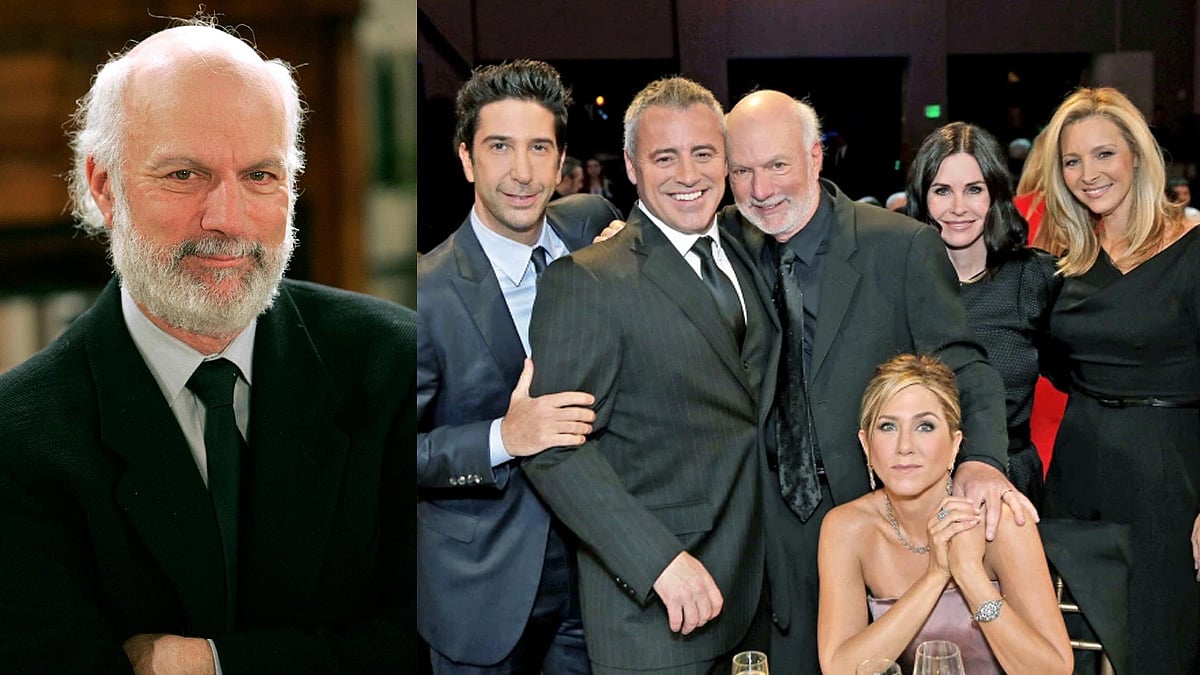
The director’s contributions were recognized with a DGA Lifetime Achievement Award in 2015, a testament to his enduring impact. The DGA honor is one of the most prestigious accolades in the television industry, reserved for individuals whose body of work has significantly shaped the craft of directing. “James Burrows’ work set a benchmark for excellence in television comedy,” said Mathrubhumi, which quoted an industry observer. “His legacy will continue to inspire future generations of directors.”
Following his death, cast members of Friends and other shows paid tribute to Burrows. “He had a unique ability to bring out the best in every actor,” said a statement from Metro Vaartha, which cited an unnamed actor. “His vision shaped the way we approached every scene.”
Production Mastery and Industry Standards
The sitcom format, particularly the multi-camera setup, relies heavily on the director’s ability to manage timing, audience laughter, and blocking. Burrows was widely regarded as a master of the “proscenium” stage, often utilizing his background in theater to ensure that actors remained visible to the audience while maintaining the intimacy required for close-up camera work. His tenure at networks like NBC, where he directed the pilots for many of his most famous series, allowed him to establish the visual language that would define the era.
Beyond his directorial duties, Burrows was a prolific producer. His involvement in the development of Cheers, alongside creators Glen and Les Charles, set a template for the “workplace family” sitcom that would later be emulated by shows like The Office and Parks and Recreation. By focusing on the ensemble dynamic rather than a single lead, Burrows helped shift the industry toward character-driven narratives that allowed for long-term syndication success.
Personal Life and Final Days
While details about Burrows’ personal life remained scarce, his family described his passing as “peaceful” in a statement shared with People magazine, as reported by ManoramaOnline. No further information about his health or final moments was released. The director is survived by his family, though specific details about his survivors were not disclosed in the sources.
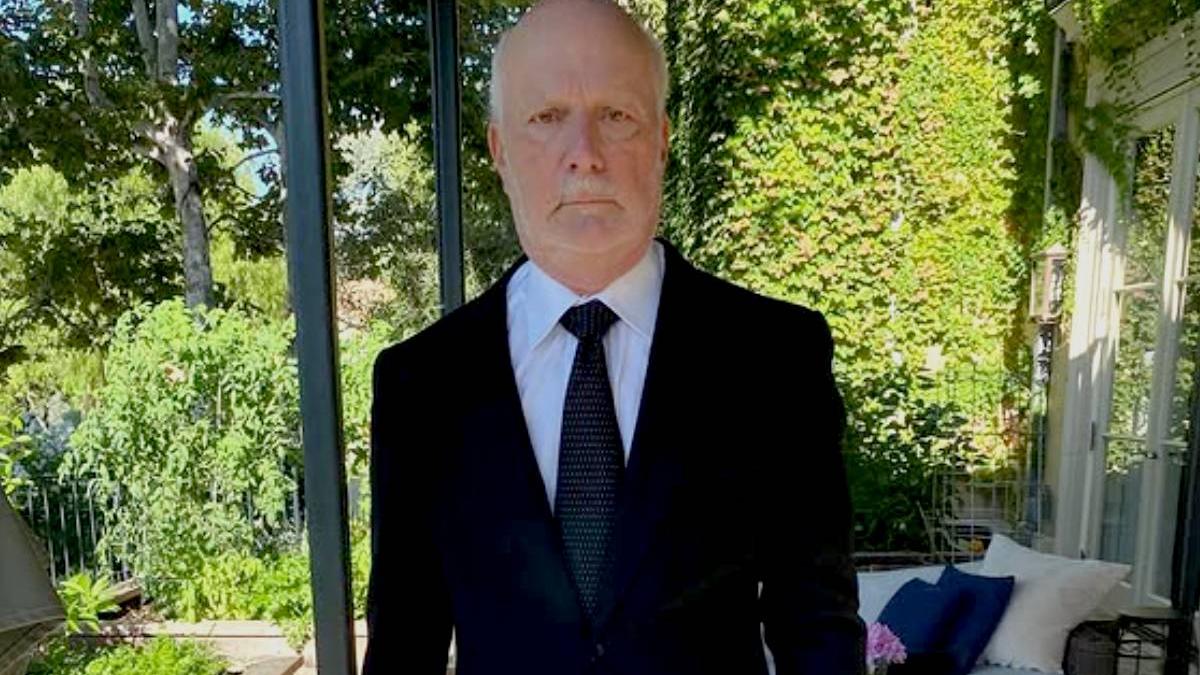
His career, however, remains a subject of fascination for fans and industry professionals alike. Mathrubhumi noted that Burrows’ work on Cheers and Friends not only defined his legacy but also set the stage for the success of later sitcoms. “His ability to blend humor with emotional depth was unparalleled,” the publication wrote.
The Evolution of the Television Sitcom
As the television industry mourns the loss of a pioneer, the question of how his legacy will be preserved remains. Burrows’ work continues to be studied by aspiring directors, and his techniques are still referenced in modern production. The transition from traditional studio sitcoms to single-camera setups in the 2000s often utilized the pacing and comedic timing lessons that Burrows mastered during his prime years.
“His influence is felt in every sitcom that prioritizes character development over slapstick,” said Metro Vaartha, which highlighted his role in shaping the genre. While no official plans for tributes or retrospectives have been announced, his impact is already being celebrated. “James Burrows redefined what a sitcom could be,” said Mathrubhumi, which called him “a true visionary.”
For now, the focus remains on honoring his contributions to television. As ManoramaOnline put it, “His work will continue to entertain and inspire for generations to come.” The television industry continues to draw inspiration from his innovative approach to storytelling and character development, solidifying his legacy as a pioneering sitcom director and producer.
Find more reporting in our Entertainment section.
