
Are you prepared for the scorching future outlined by the latest climate models? This article explores the alarming trends in extreme heat,detailing their widespread impacts on infrastructure,health,and daily life. Learn how climate change is fueling these increasingly dangerous heat waves and discover actionable steps to protect yourself and your community.
The Scorching future: Trends in Extreme Heat and Their Impact
Table of Contents
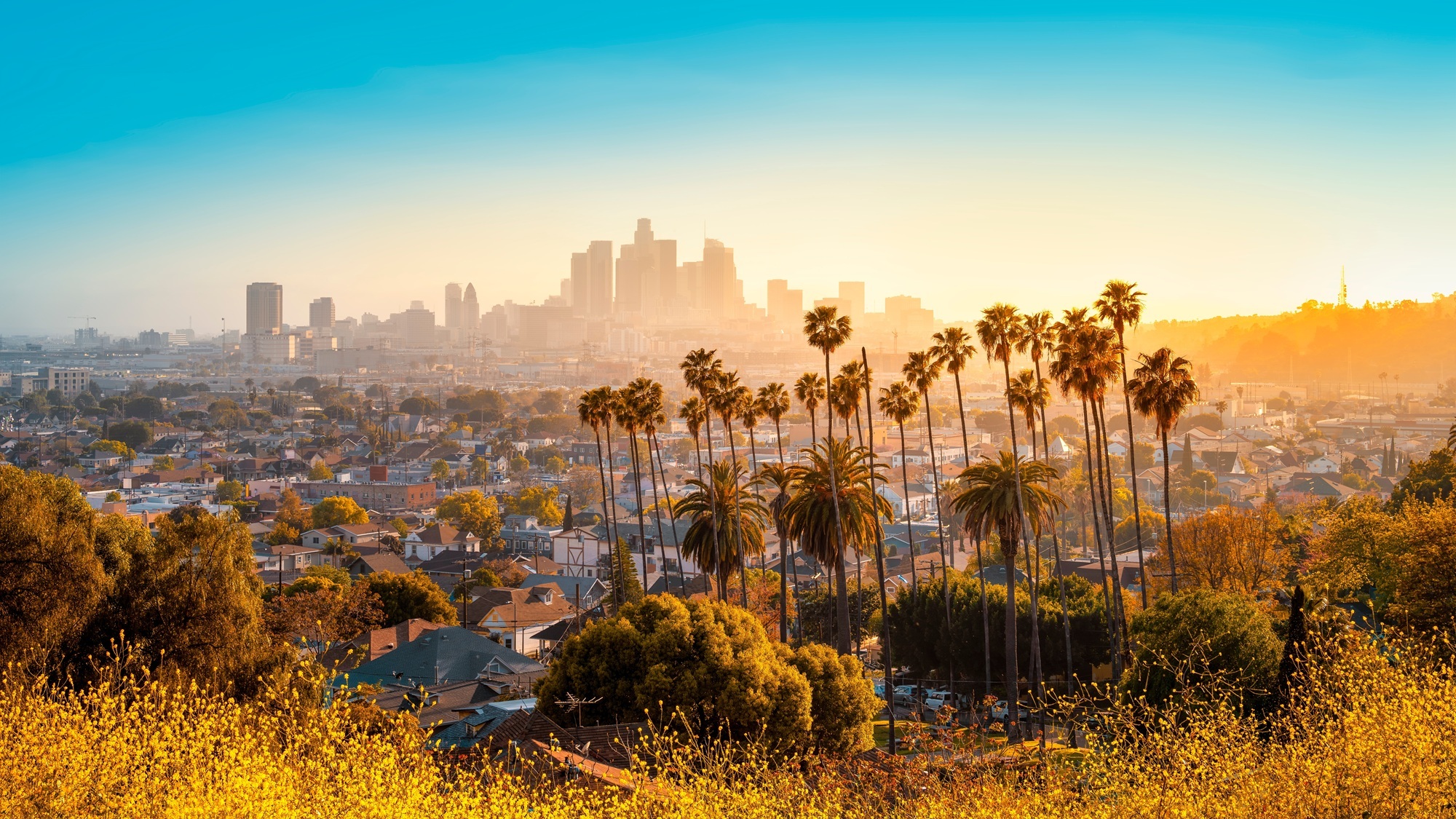
The recent heat waves gripping Los Angeles, as highlighted in the news, are not isolated events. They are a stark preview of what’s to come. As temperatures rise globally, understanding the trends in extreme heat and their far-reaching consequences is crucial.This article delves into the potential future of heat waves, their impacts, and what we can do to prepare.
rising Temperatures: A Global Phenomenon
The data is clear: the planet is warming.This warming trend is not uniform; some regions, like Southern California, are experiencing more frequent and intense heat waves [[1]]. This isn’t just about hotter days; it’s about longer heat seasons, warmer nights, and the accumulation of heat stress on both the surroundings and human populations.
Did you know? Heat is the deadliest form of extreme weather [[1]]. Understanding this is the first step in preparing for the future.
The Intensification of Heat Waves
Future heat waves are projected to be more intense, lasting longer, and occurring more frequently. This means more days with record-breaking temperatures,increased strain on infrastructure,and a higher risk of heat-related illnesses and fatalities. The combination of heat and humidity, as seen in recent events, amplifies the danger, making it harder for the human body to cool itself.
Pro Tip: Stay informed about local heat warnings and advisories. Knowing when a heat wave is coming allows you to take proactive measures.
Impacts on infrastructure and Daily Life
Extreme heat puts immense pressure on infrastructure. Power grids struggle to meet increased demand for air conditioning, leading to potential blackouts. Roads and railways can buckle under the heat, disrupting transportation.Public services, from emergency response to healthcare, are stretched thin.
Case Study: During a major heat wave in Europe, hospitals were overwhelmed with patients suffering from heatstroke, and emergency services struggled to keep up with the demand.
Health Risks and Vulnerable Populations
The health risks associated with extreme heat are important. Heatstroke, dehydration, and cardiovascular problems are common. Vulnerable populations, including the elderly, young children, and those with pre-existing health conditions, are at the highest risk. the urban heat island effect, where cities are significantly warmer than surrounding areas, exacerbates these risks.
Adapting to a Hotter World
Adapting to a hotter world requires a multi-faceted approach. This includes:
- Urban Planning: Implementing green infrastructure, such as parks and green roofs, to reduce the urban heat island effect.
- public Health: developing heat action plans, expanding cooling center access, and educating the public about heat-related risks.
- Individual Actions: Staying hydrated,seeking shade,and checking on vulnerable neighbors.
The Role of Climate Change
Climate change is the primary driver of these trends. Reducing greenhouse gas emissions is essential to mitigate the long-term effects of rising temperatures. However, even with aggressive emission reductions, we must prepare for the heat waves that are already locked in due to past emissions.
Frequently Asked questions
Q: What is a heat wave?
A: A period of abnormally hot weather, typically lasting several days.
Q: How can I protect myself during a heat wave?
A: Stay hydrated, seek shade, avoid strenuous activity during peak heat hours, and check on vulnerable individuals.
Q: What are cooling centers?
A: Public facilities, such as libraries and community centers, that provide air-conditioned spaces for people to cool off during heat waves [[2]].
Looking Ahead
The trends in extreme heat are clear, and the challenges are significant. By understanding these trends,taking proactive measures,and advocating for change,we can build more resilient communities and protect ourselves from the dangers of a hotter world.
What are your biggest concerns about rising temperatures? Share your thoughts and experiences in the comments below!
