
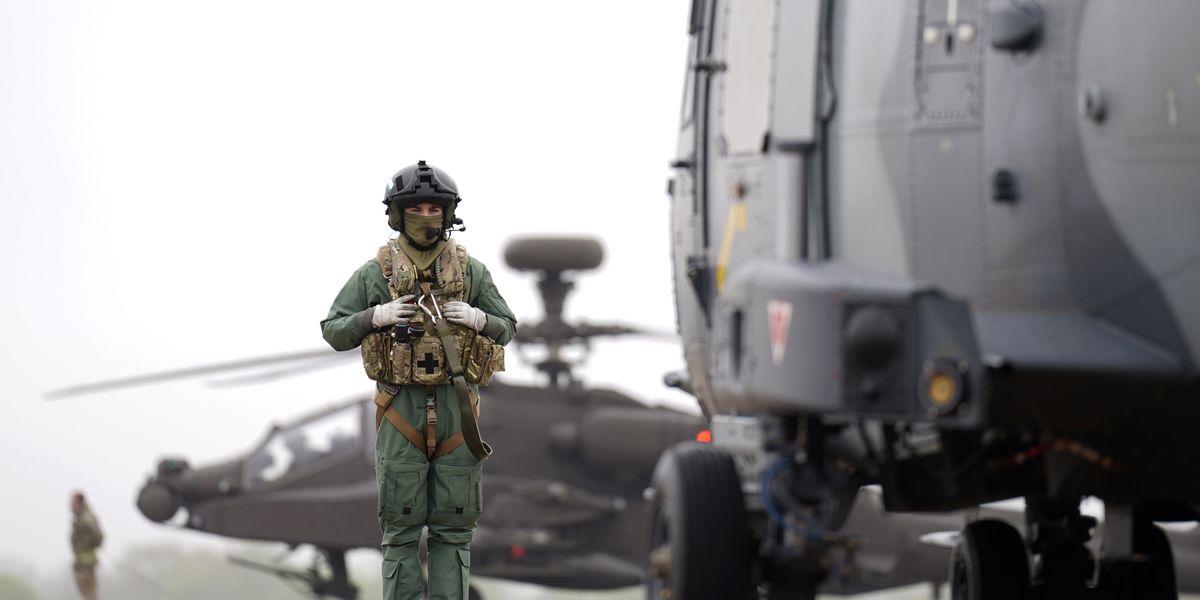
Is Europe truly prepared for a new era of conflict? This article examines the readiness of European Defence in 2024, exploring how geopolitical shifts and varying national priorities are reshaping military strategies across the continent. Discover the key challenges and opportunities facing European nations as they strive for greater security and stability in an uncertain world.
Europe’s Shifting Sands: Preparing for an Uncertain Future
Table of Contents
The specter of conflict looms over Europe, prompting a significant shift in defense strategies adn public sentiment. While the intensity of readiness varies across the continent, the underlying trend is clear: a renewed focus on military readiness and national security. This article delves into the evolving landscape of European defense, exploring the driving forces behind this conversion and the challenges that lie ahead.
The Geography of Threat: Why Some Nations Are More Prepared
Geography plays a crucial role in shaping a nation’s perception of threat and its willingness to invest in defense. Countries bordering Russia, such as Poland and the Baltic states, are at the forefront of this shift. Their past experiences and proximity to potential conflict zones have fueled a sense of urgency, leading to increased military spending, exercises, and infrastructure development.
In contrast,nations further west,like Spain,may perceive the threat differently. Their geographical distance from Russia and a less direct historical experience with Soviet aggression contribute to a more relaxed approach. This disparity highlights the complex dynamics at play, where national priorities and public opinion are heavily influenced by geographical realities.
The economic and Political Realities of Defense Spending
The decision to increase defense spending is not always straightforward. It often involves difficult choices,such as reallocating resources from social welfare programs. This can lead to public skepticism and political debates, especially in countries where the perceived threat is less immediate.
The pressure to meet NATO’s 2% spending target has become a focal point. While some nations readily embrace this commitment,others struggle to justify the increased expenditure to their citizens. This tension underscores the need for clear communication and a compelling narrative to garner public support for defense initiatives.
Did you know? The United States currently has a significant military presence in Europe, which influences the continent’s defense posture. Any changes to this presence could have a profound impact on European security.
The U.S.Factor: A Shifting Global Landscape
The future of U.S. military involvement in Europe is a critical consideration. Any reduction in U.S. troop deployments could force European nations to take on a greater share of the defense burden. This prospect has spurred a renewed focus on European defense capabilities,including investments in air defense,military mobility,and ammunition stockpiles.
The potential for a less reliable U.S. commitment has accelerated the push for European self-reliance. This includes efforts to develop indigenous defense industries and strengthen collaborative partnerships among European nations.
The Gray Zone: beyond Customary Warfare
Modern conflicts extend beyond conventional military engagements. Cyberattacks, disinformation campaigns, and economic coercion are increasingly used to destabilize nations and undermine their security.
Europe is actively working to counter these “gray zone” threats. This involves strengthening cybersecurity defenses, enhancing intelligence capabilities, and promoting resilience against hybrid warfare tactics.
Pro tip: Stay informed about the latest developments in cybersecurity and hybrid warfare to understand the evolving threats to European security.
The Path Forward: Unity and Cooperation
A united European front is essential to effectively counter the russian threat. This requires overcoming national differences and fostering a spirit of solidarity.
NATO plays a crucial role in facilitating this cooperation. The alliance provides a framework for collective defense and encourages member states to work together on common security challenges.
Reader Question: How can european nations overcome historical divisions to strengthen their collective defense capabilities?
FAQ: Addressing Common Concerns
Q: Is Europe on the brink of war?
A: No, but the continent is increasing its military readiness and preparing for potential threats.
Q: What are the biggest challenges facing European defense?
A: Air and missile defense, ammunition stocks, and military mobility are key areas of concern.
Q: How critically important is the U.S. military presence in Europe?
A: It provides significant support, but Europe is working to increase its self-reliance.
Q: What is “gray zone” warfare?
A: It involves non-military tactics like cyberattacks and disinformation to destabilize nations.
Q: What can I do to stay informed?
A: Follow reputable news sources and subscribe to expert newsletters.
The future of European security is complex and dynamic. by understanding the key drivers of change, the challenges ahead, and the importance of unity, we can better navigate this evolving landscape.
Want to dive deeper into these critical issues? Explore more articles on European security and subscribe to our newsletter for expert insights delivered directly to your inbox.
