
Gene Therapy Shows 95% Success Rate in Treating ‘Bubble Boy Disease’
A new long-term study reveals that gene therapy has successfully restored immune function in 95% of children born with severe combined immunodeficiency (SCID), offering a potential cure for the life-threatening condition.
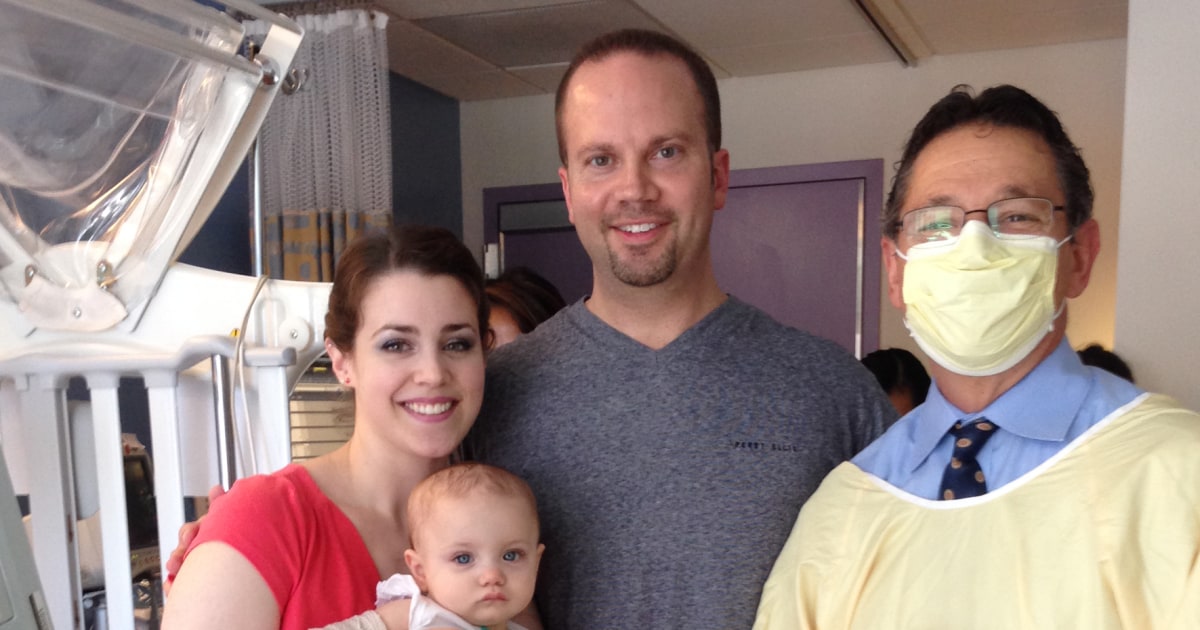
Eliana Nachem was diagnosed with ADA-SCID, a rare form of the disease affecting fewer than 10 children born in the U.S. each year, at just four months old. Babies with SCID lack a functioning immune system and must live in sterile environments to avoid fatal infections. In 2014, Eliana participated in a clinical trial at UCLA’s Broad Stem Cell Research Center, and a follow-up study published today in the New England Journal of Medicine shows all 62 children who received the treatment between 2012 and 2019 are still alive.
The treatment involves harvesting a patient’s stem cells, modifying them with a harmless virus carrying the missing gene, and then reinfusing them back into the body after chemotherapy. “It’s a one-time delivery vehicle that takes the gene into the DNA of the stem cell, so every time it divides to make other cells, those cells carry that ADA gene,” explained Dr. Donald Kohn, the trial’s lead physician. This approach offers a less risky alternative to traditional bone marrow transplants, which carry the risk of graft-versus-host disease and require prolonged immunosuppression. Understanding SCID is crucial as early diagnosis and treatment significantly improve outcomes.
Eliana Nachem, now 12, is thriving and enjoying a normal childhood after receiving the gene therapy. “It’s amazing that she was able to go from living in isolation to being able to go to preschool and go swimming in a public pool and play on a playground and do all the things that every other kid gets to do,” said her father, Jeff Nachem. Researchers are optimistic that this success will pave the way for gene therapies for other rare genetic diseases. Dr. Talal Mousallem of Duke University School of Medicine, who was not involved in the trial, stated, “This is one of the most successful gene therapy trials for an ultra-rare genetic disease that we have.”
Officials say they will continue to monitor the children in the study and hope to make gene therapy the standard of care for ADA-SCID.
