
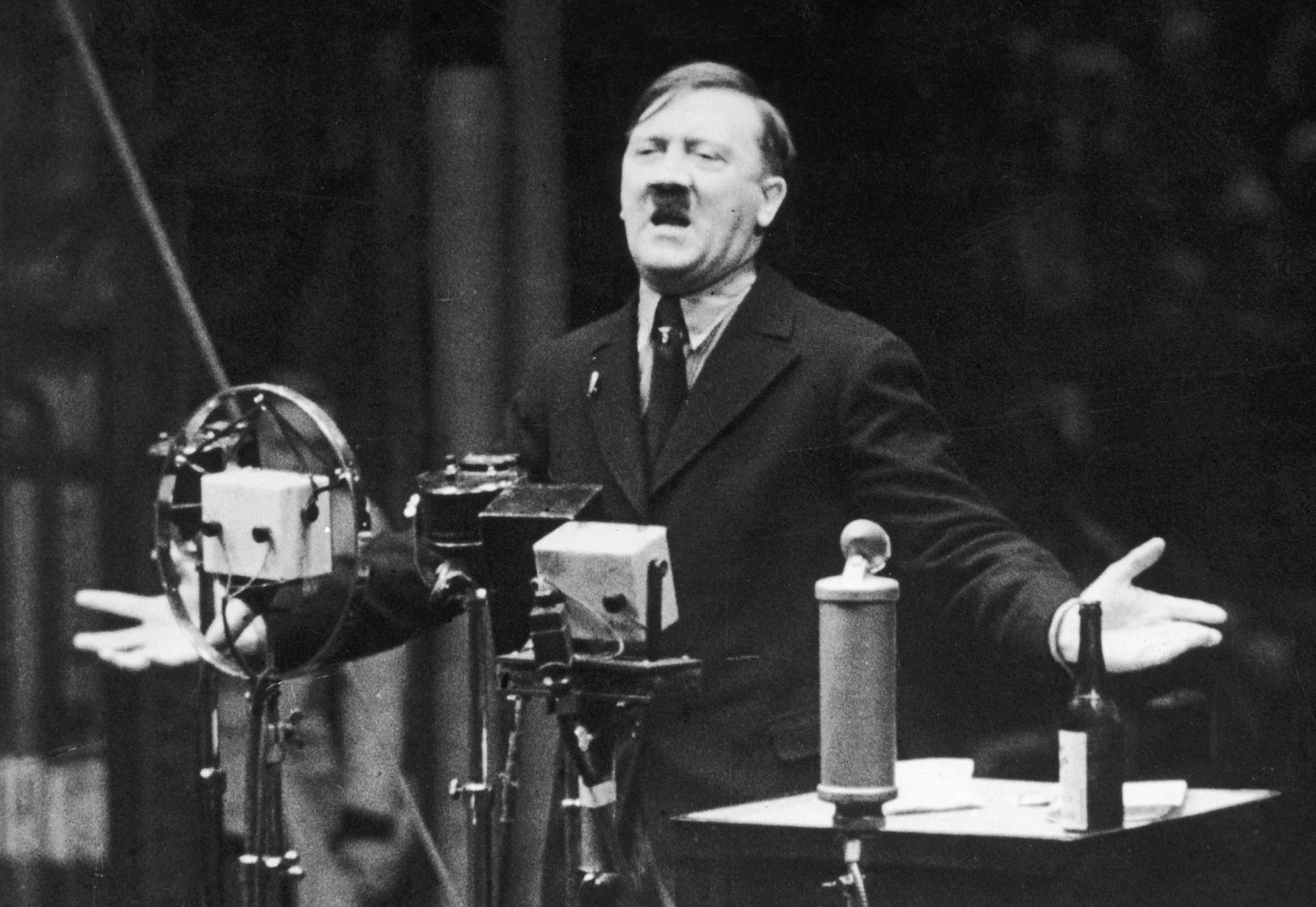
DNA Analysis Reveals Possible Genetic Disorders in Adolf Hitler, No Jewish Ancestry
A newly released DNA analysis of Adolf Hitler reveals he likely had a genetic disorder affecting puberty and suggests a predisposition to several mental health conditions, while definitively disproving long-held rumors of Jewish ancestry.
The analysis, detailed in a documentary premiering today, examined a bloodstain from a couch in Hitler’s bunker and confirmed its origin through comparison with DNA from a confirmed relative. Researchers found evidence of Kallmann syndrome, a genetic condition characterized by incomplete puberty, and genes associated with increased risk for autism, schizophrenia, and bipolar disorder. British Jewish psychologist Simon Baron-Cohen cautioned, “Behavior is never 100% genetic,” adding that associating these diagnoses with Hitler risks stigmatizing those who actually live with these conditions. This research adds a new layer to understanding the complex factors that contributed to his actions.
The investigation also addressed persistent claims regarding Hitler’s Jewish heritage, which were circulated both during his rise to power and more recently by figures like Russian Foreign Minister Sergei Lavrov. The DNA analysis conclusively demonstrates Hitler’s ancestry was solely Austrian German, contradicting these assertions. Previous analyses of relatives had hinted at possible genetic links to groups Hitler persecuted, but this analysis of Hitler’s own DNA provides a definitive answer. For more on the historical context of antisemitism, see the United States Holocaust Memorial Museum’s resources.
Researchers emphasized that genetic predispositions do not equate to deterministic outcomes. The findings are part of a broader effort to understand the biological and environmental factors that shaped one of history’s most destructive figures, and the documentary, “Hitler’s DNA: Blueprint of a Dictator,” explores the limitations of drawing conclusions solely from genetic data. Officials stated further research will focus on the interplay between genetics and historical context.
